
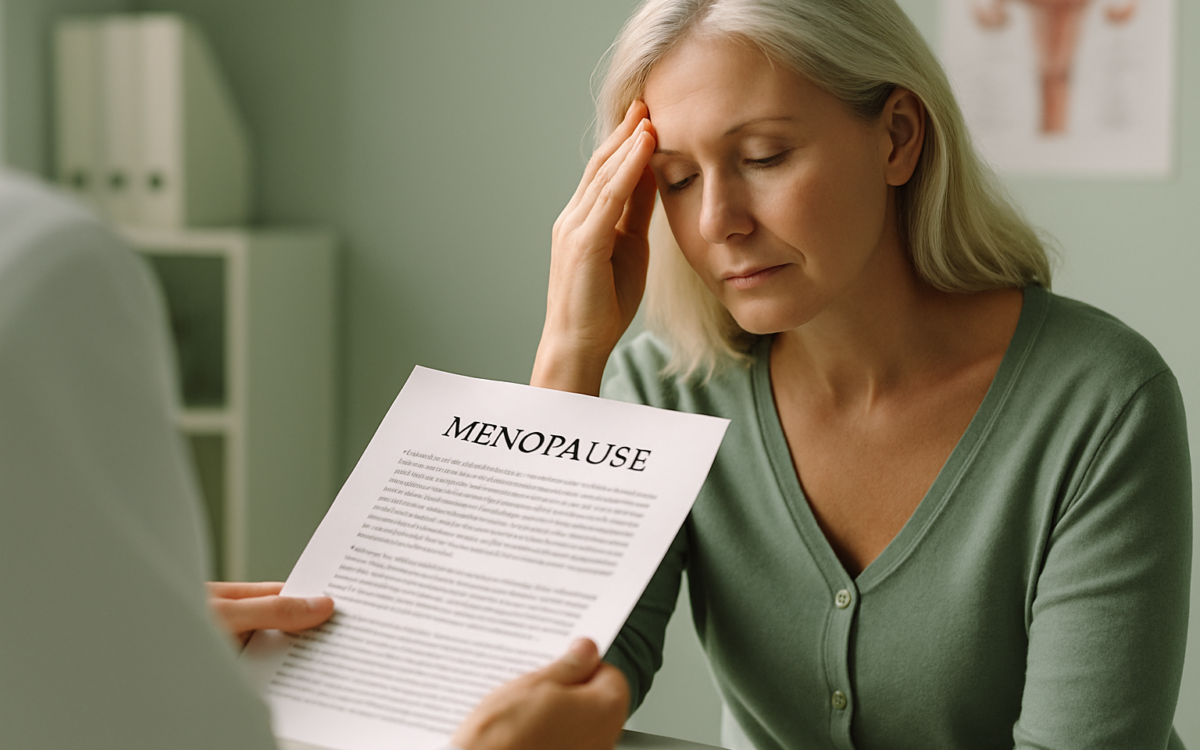
Menopause is a significant milestone in every woman’s life, marking the end of her reproductive years. While it is a natural biological process, many women experience a wide range of changes during this time. Understanding the meaning of menopause can empower women to navigate this transition with confidence and awareness.
What is Menopause?
Menopause is defined as the time that marks the end of menstrual cycles. It occurs 12 months after a woman’s last period and is diagnosed after a year without menstruation. The average age for menopause in the United States is 51, but it can happen anywhere between the ages of 45 and 55. It is important to recognize that menopause is not a single event but rather a process that happens in several stages.
The Stages of Menopause
Menopause can be broken down into three primary stages: perimenopause, menopause, and postmenopause.
Perimenopause
This stage can begin several years before menopause and involves various hormonal changes. During perimenopause, estrogen levels begin to fluctuate, which can lead to irregular menstrual cycles and other symptoms such as hot flashes, sleep disturbances, and mood changes. This phase typically lasts about 4 to 5 years, but some women may experience it for a shorter or longer duration.
Menopause
Once a woman has gone 12 months without a menstrual period, she enters menopause. During this period, the ovaries significantly reduce the production of hormones such as estrogen and progesterone. Some common symptoms experienced during this stage include:
- Hot flashes and night sweats
- Vaginal dryness
- Weight gain
- Changes in mood
- Sleep disturbances
Postmenopause
This is the stage that follows menopause and can last for the rest of a woman’s life. Some symptoms, such as hot flashes, may decrease over time, but other health considerations may arise, including increased risks of osteoporosis and heart disease due to lower estrogen levels. It is important for women in this stage to focus on their overall health and well-being.
Symptoms of Menopause
The symptoms of menopause can vary widely among women. While some may only experience mild discomfort, others may face more significant challenges. Common symptoms include:
- Hot flashes
- Night sweats
- Irregular periods
- Vaginal dryness
- Emotional changes, such as anxiety or depression
- Difficulty sleeping
- Memory problems
- Weight gain
These symptoms are caused by hormonal changes as the body transitions through menopause. Understanding these symptoms can lead to better management and coping strategies.
Managing Menopause
There are many ways women can manage menopause symptoms effectively. Lifestyle changes, such as regular physical activity, a balanced diet, and stress management techniques, can be quite beneficial. Some women may also consider hormone replacement therapy (HRT) to alleviate severe symptoms, though it is essential to discuss this option with a healthcare provider to weigh the benefits and risks.
When to See a Doctor
If you are experiencing symptoms that disrupt your daily life or if you have concerns about changes in your body, it’s a good idea to consult your healthcare provider. They can help you evaluate your symptoms, discuss available treatment options, and support you through this transition. It is especially important to seek medical advice if menopausal symptoms are severe or if unusual symptoms arise.
Conclusion
Understanding the meaning of menopause is a crucial step for women navigating this natural life transition. From recognizing the stages to managing symptoms, knowledge empowers women to take charge of their health. Remember that every woman’s experience with menopause is unique, and seeking guidance from healthcare professionals can provide additional support and reassurance during this time.
