
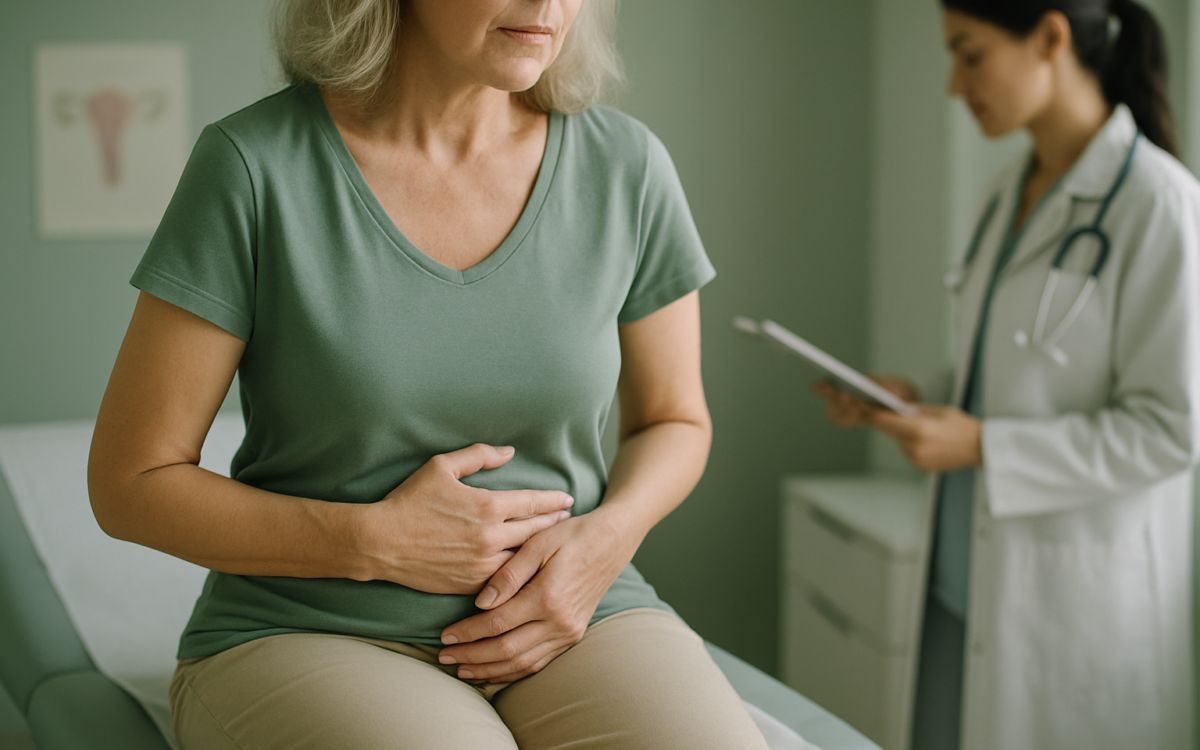
As women approach a significant transformation in their bodies, they often find themselves navigating the complexities of the peri-menopausal stage. This period can be overwhelming, filled with various physical and emotional changes. Understanding what to expect during this time can empower women to embrace this natural transition rather than fear it.
What is Peri-Menopause?
Peri-menopause refers to the time leading up to menopause, characterized by hormonal fluctuations that can start as early as a decade before menopause itself. During peri-menopause, the ovaries gradually produce less estrogen. This transition often starts in a woman’s 30s or 40s and is a natural phase of aging.
Recognizing Common Symptoms
While each woman’s experience is unique, several common symptoms can signal peri-menopause:
- Irregular Periods: Menstrual cycles may become inconsistent. Some women might experience heavier or lighter bleeding.
- Hot Flashes: Sudden feelings of warmth that can spread throughout the body, often accompanied by sweating and flushing.
- Sleep Disturbances: Difficulty falling asleep or staying asleep can be common during this time.
- Emotional Changes: Mood swings, anxiety, and irritability can arise due to fluctuating hormone levels.
- Vaginal Dryness: Decreased estrogen can cause dryness, leading to discomfort during intercourse.
- Weight Changes: Some women may notice weight gain, especially around the abdomen.
These symptoms can vary in intensity and duration, and not every woman will experience them all. Being informed about what is normal can help women feel more prepared for this stage of life.
The Role of Hormones
Hormones play a significant role during the peri-menopausal stage. As estrogen and progesterone levels fluctuate, they can affect nearly every aspect of a woman’s health. Understanding these hormonal changes can help demystify many of the symptoms experienced during this time.
The decrease in estrogen can lead to physical changes such as thinning vaginal walls and changes in skin elasticity. Emotionally, hormonal ups and downs can result in everything from enhanced mood swings to increased anxiety. Women might also notice changes in libido and energy levels as their body adjusts to these hormonal shifts.
Nutrition and Lifestyle Changes
During peri-menopause, making mindful choices about diet and lifestyle can significantly impact overall wellness. Here are some tips:
Balanced Diet
- Focus on Whole Foods: Incorporate whole grains, lean proteins, healthy fats, fruits, and vegetables to nourish your body.
- Calcium and Vitamin D: As bone density can decrease, ensure adequate calcium and vitamin D intake to support bone health.
Regular Exercise
- Aerobic Activity: Engage in regular cardiovascular exercise like walking, swimming, or cycling to maintain heart health and manage weight.
- Strength Training: Incorporating strength training can help build muscle mass, which tends to decrease with age, and also boost metabolism.
Stress Management
- Meditation and Yoga: Mindfulness practices can help manage stress, anxiety, and improve sleep quality.
- Connecting with Others: Sharing experiences with friends or support groups can alleviate feelings of isolation.
Making these lifestyle changes not only supports women through peri-menopause but also establishes a healthier foundation for the coming years.
Alternative Therapies
Many women explore alternative therapies to help manage symptoms during peri-menopause. While the effectiveness of these therapies can vary, some popular options include:
- Herbal Supplements: Herbs like black cohosh and evening primrose oil are frequently used, though it’s important to consult a healthcare provider before starting any new regimen.
- Acupuncture: This traditional Chinese medicine practice may help alleviate symptoms such as hot flashes and mood swings.
- Aromatherapy: Essential oils such as lavender can promote relaxation and reduce anxiety.
Although these therapies can provide relief for some, the scientific evidence supporting their effectiveness varies. Discussing these options with a healthcare provider can help personalize a management plan.
Maintaining Open Communication with Healthcare Providers
As women navigate the peri-menopausal years, open communication with healthcare providers is key. Regular check-ups can provide opportunities to discuss concerns, symptoms, and any changes in physical or emotional health. Here are some topics to consider bringing up:
- Discussing symptom relief options, whether hormonal or non-hormonal.
- Understanding changes in bone density and heart health.
- Addressing sexual health and comfort.
By working collaboratively with a healthcare provider, women can develop a personalized plan to manage their health during this critical time.
When to See a Doctor
If symptoms become overwhelming, significantly impact your daily life, or you have concerns about your menstrual cycle or other health issues, it’s essential to reach out to a healthcare provider. Early intervention can help manage uncomfortable symptoms and improve quality of life during peri-menopause.
Remember, you’re not alone in this journey, and many women share similar experiences. Support networks and informed discussions can empower you through this natural phase of life.
Conclusion
Peri-menopause can be a challenging but also empowering time for women. By understanding the physical and emotional changes that occur and taking proactive steps to manage symptoms, women can navigate this life stage with confidence. Embracing the support of healthcare providers, friends, and family can transform this transitional period into a period of growth and wellness.
