
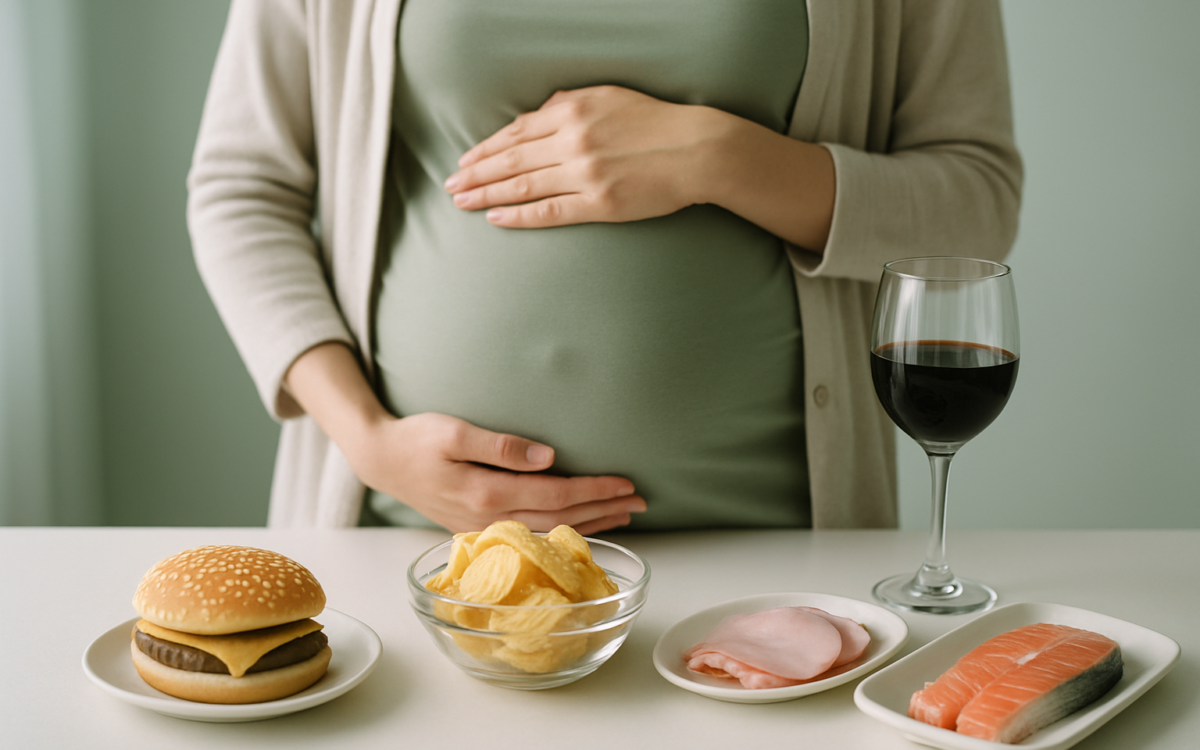
Pregnancy is a beautiful journey filled with anticipation and excitement. However, it also brings numerous responsibilities, particularly when it comes to diet. Expecting mothers must be mindful of what they eat, as some foods can pose risks to both their health and the health of their unborn child. Knowing which foods to avoid can empower mothers-to-be and help ensure a safer, healthier pregnancy.
Raw or Undercooked Animal Products
One of the first groups of foods to be cautious about during pregnancy includes raw or undercooked animal products. This category covers foods such as:
- Raw fish (like sushi)
- Undercooked poultry (such as chicken and turkey)
- Raw or undercooked eggs
- Unpasteurized dairy products
The main concern here is the potential risk of foodborne illnesses. For example, raw fish can carry parasites, while undercooked poultry may harbor harmful bacteria like Salmonella. Unpasteurized dairy products can contain Listeria, potentially leading to miscarriage or severe health issues for the newborn. The CDC emphasizes the importance of cooking these foods thoroughly to reduce the risk of infection.
Certain Fish High in Mercury
Fish is an excellent source of omega-3 fatty acids, which are beneficial for fetal brain development. However, not all fish is safe during pregnancy. Pregnant women should avoid fish high in mercury, which can negatively impact fetal development. Some examples of fish to avoid include:
- Shark
- Swordfish
- King mackerel
- Tiles fish
Mercury can lead to developmental issues for the baby, especially during the first trimester when the nervous system is developing rapidly. The World Health Organization (WHO) advises pregnant women to limit their intake of high-mercury fish and to opt for safer varieties like salmon, shrimp, and canned light tuna, which are lower in mercury and generally safer.
Caffeine and Sugary Beverages
Moderation is key with caffeine during pregnancy. While research indicates that some caffeine consumption is generally considered safe, high intakes may be linked to miscarriages or low birth weight. It’s essential for expectant mothers to limit caffeine intake to about 200 mg per day, equivalent to about one 12-ounce cup of coffee.
In addition to caffeine, sugary beverages should also be avoided during pregnancy. High sugar consumption can lead to unnecessary weight gain and increase the risk of gestational diabetes. Drinking water, herbal teas, or natural fruit juices in moderation is recommended.
Processed Foods and Artificial Additives
Processed foods often contain unhealthy fats, excess sodium, and artificial additives that can affect both maternal and fetal health. Foods that are packaged and processed frequently include:
- Fast food
- Snacks like chips and candy
- Ready-to-eat meals
These foods not only lack essential nutrients but can also contribute to weight gain and increasing the risk of pregnancy complications. During this crucial time, it’s best to opt for whole foods, such as fresh fruits, vegetables, whole grains, proteins, and healthy fats.
International Perspectives on Pregnancy Nutrition
Pregnancy nutrition varies significantly around the world, and different cultures may have unique food practices. In some nations, access to local resources for safe eating during pregnancy can differ, which can influence dietary choices. For instance, in Turkey, women might seek specialized prenatal treatment in Turkey that includes nutritional counseling tailored for maternal health. Understanding local dietary regulations and nutritional advice can help guide pregnant women in their dietary decisions, regardless of location.
Unwashed Fruits and Vegetables
Fresh produce can be a significant part of a healthy diet during pregnancy, but it’s essential to wash fruits and vegetables thoroughly before consumption. Unwashed produce can harbor bacteria, pesticides, and parasites that pose risks to both the mother and child.
Products such as leafy greens and herbs can especially be a concern. Rinsing these commodities under clean running water can help eliminate unwanted germs. The Mayo Clinic suggests thoroughly washing all fruits and vegetables as a part of safe food practices.
When to See a Doctor
If you have concerns about your diet during pregnancy or if you’re experiencing unusual symptoms after eating, it’s crucial to consult a healthcare professional. A doctor can guide you on how to balance your dietary needs effectively and help manage any issues that arise.
Additionally, if you have any specific dietary restrictions or medical conditions, your doctor can offer tailored advice to support both your health and the health of your baby.
Becoming a mother is a transformative experience, and part of this journey involves making informed food choices. By knowing what foods to avoid during pregnancy, you can help create a healthy environment for your growing baby. Embrace this exciting time with knowledge and prepare well for the rewarding experience of motherhood.
