
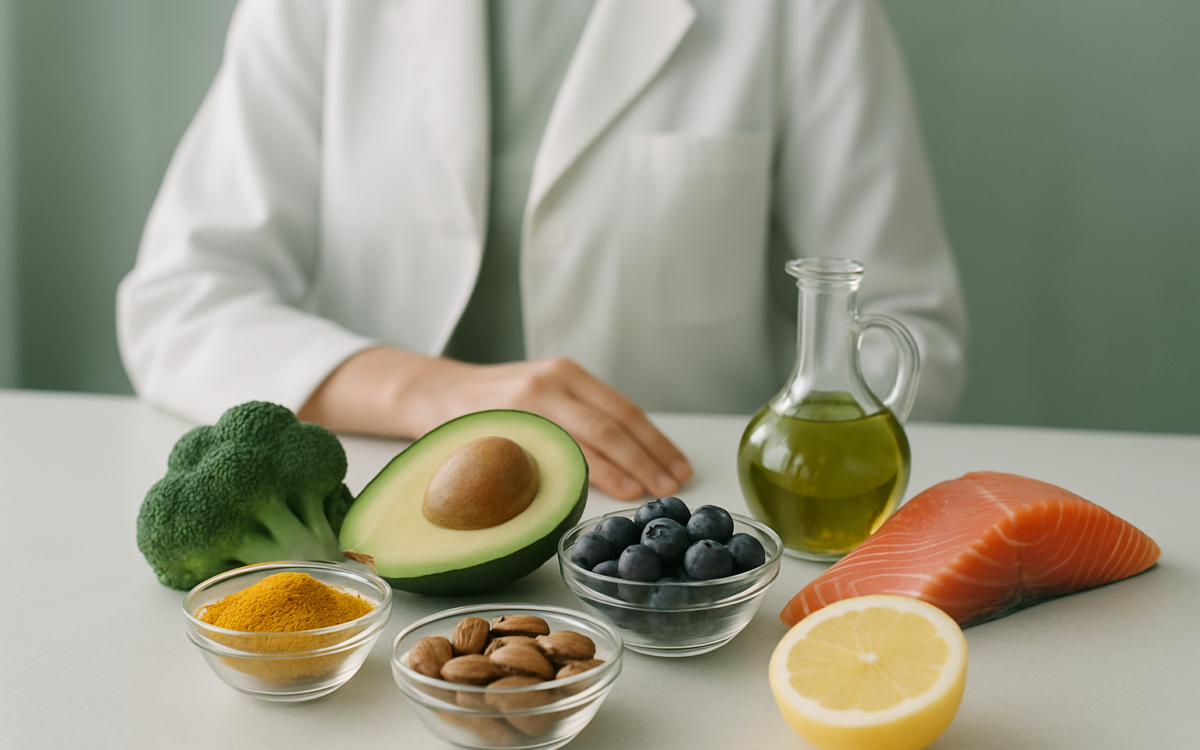
In our fast-paced world, inflammation is often seen as a silent antagonist. While our bodies naturally produce inflammation as a defense mechanism, chronic inflammation can lead to serious health issues like heart disease, diabetes, and certain types of cancer. The good news is that we can help manage our body’s inflammatory response through the foods we eat. In this article, we’ll explore some of the most effective anti-inflammatory foods to include in your daily meals.
Understanding Inflammation
Inflammation serves an essential role in protecting the body from harm. However, when inflammation becomes chronic, it turns into a concern. It’s crucial to understand the role that diet can play in this process. Research from the NIH indicates that certain dietary choices can help reduce inflammation markers in the body. Foods rich in antioxidants, omega-3 fatty acids, and fiber can help combat chronic inflammation.
Fruits: Nature’s Sweethearts
Fruits are packed with vitamins, minerals, and antioxidants, making them an excellent choice for fighting inflammation. Some particularly potent options include:
- Berries: Blueberries, strawberries, and raspberries are rich in anthocyanins, which help reduce inflammation in the body.
- Cherries: Tart cherries contain compounds called polyphenols that have been found to lower markers of inflammation.
- Oranges: Citrus fruits are high in vitamin C, known for its immune-boosting properties.
Incorporating a variety of these fruits into your diet can not only satisfy your sweet tooth but also provide significant anti-inflammatory benefits.
Vegetables: A Rainbow on Your Plate
Just like fruits, colorful vegetables can be powerful allies against inflammation. Here are some of the best options:
- Leafy Greens: Spinach, kale, and Swiss chard are loaded with antioxidants and vitamins that can help combat inflammation.
- Cruciferous Vegetables: Broccoli, cauliflower, and Brussels sprouts contain sulforaphane, a compound that may reduce inflammation and even the risk of chronic diseases.
- Beets: Rich in betalains, beets can also help fight inflammation.
Aiming for a variety of colors in your vegetable choices can provide diverse nutrients beneficial for reducing inflammation.
Healthy Fats: Embracing Omega-3s
The type of fats you eat can influence inflammation levels in your body. Incorporating healthy fats is essential for an anti-inflammatory diet. Here are some beneficial sources:
- Extra Virgin Olive Oil: Rich in anti-inflammatory properties, olive oil can be a staple in your cooking.
- Fatty Fish: Salmon, mackerel, and sardines are high in omega-3 fatty acids, which are well-known for their anti-inflammatory effects.
- Nuts and Seeds: Walnuts, chia seeds, and flaxseeds are also packed with omega-3s and other healthy nutrients.
Incorporating these fats into your meals not only enhances flavor but also provides health benefits that can help reduce inflammation.
Whole Grains: The Fiber Factors
Choosing whole grains over refined grains is an excellent way to reduce inflammation. Whole grains provide fiber, which helps to regulate the immune system. Here are some grains to consider:
- Quinoa: A complete protein and gluten-free grain, quinoa is rich in fiber and antioxidants.
- Brown Rice: Unlike white rice, brown rice maintains its bran and germ, which offer more nutrients.
- Oats: Rich in beta-glucans, oats may help reduce inflammation in the gut.
By choosing whole grains, you’re not just nourishing your body but also combating inflammation.
Spices and Herbs: Tiny Powerhouses
Don’t underestimate the power of spices and herbs. Many have been shown to have anti-inflammatory properties, including:
- Turmeric: Contains curcumin, a powerful anti-inflammatory compound.
- Ginger: Known for its anti-nausea effects, ginger also helps reduce inflammation.
- Cinnamon: This common spice has been linked to lower levels of inflammation and improved heart health.
Incorporating these spices can add flavor to your meals while contributing to your anti-inflammatory endeavors.
When to See a Doctor
If you experience persistent inflammation symptoms, such as pain, swelling, redness, or fatigue, it may be essential to consult a healthcare professional. Conditions like arthritis, autoimmune disorders, and other chronic diseases may stem from inflammation. Staying proactive about your health is always a good idea.
Making dietary changes can be a simple yet effective way to manage inflammation levels in your body. Incorporate various fruits, vegetables, whole grains, healthy fats, and spices into your meals, and enjoy the potential health benefits. Remember to consult your doctor or a nutrition expert if you have specific health concerns or conditions.
