
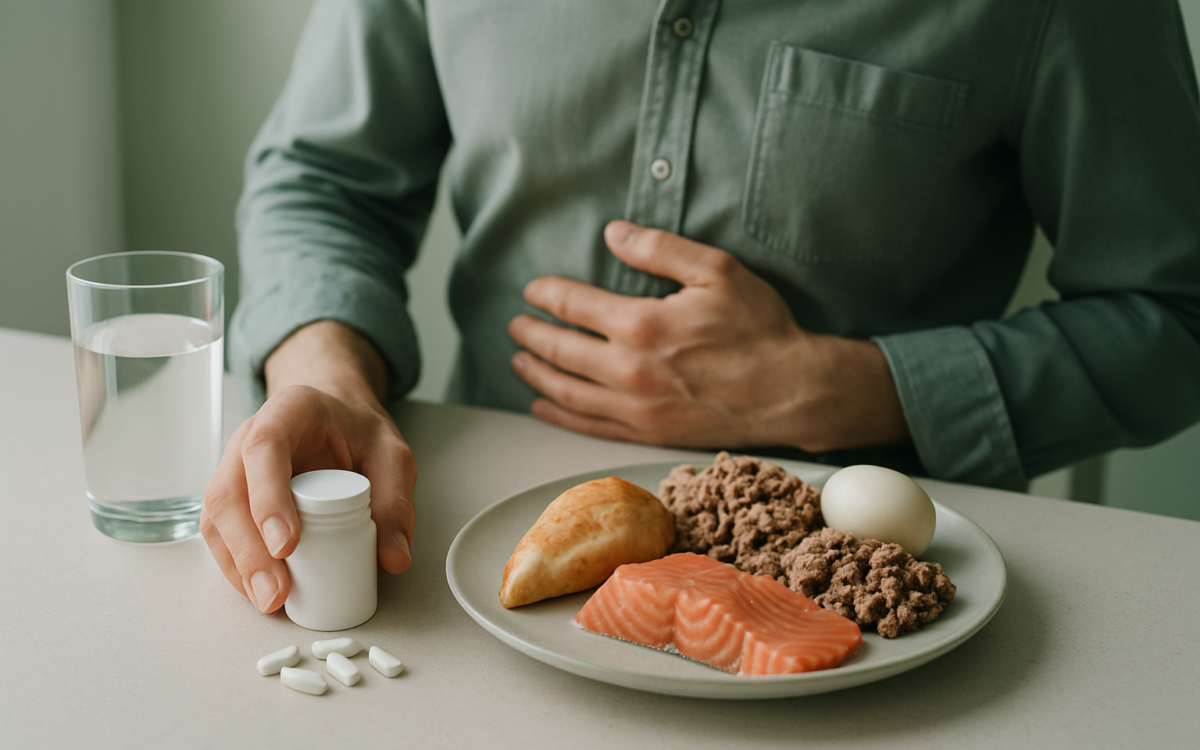
Protein is a vital nutrient necessary for the body’s growth, repair, and overall function. It plays a crucial role in building muscles, producing enzymes, and supporting the immune system. While protein is essential, there’s a common question among diet enthusiasts and health-conscious individuals: can you eat too much protein? Understanding this can help you maintain a balanced and healthy diet.
The Basics of Protein
Protein is made up of amino acids, which are often referred to as the building blocks of life. Our body requires 20 different amino acids, and we can produce some of them. However, there are nine essential amino acids that must be obtained through our diet. Good sources of protein include meat, fish, eggs, dairy, beans, nuts, and some whole grains.
Recommended Protein Intake
The recommended dietary allowance (RDA) for protein varies by age, sex, and activity level. Generally, adults should aim for about 46 grams per day for women and 56 grams for men. Athletes or individuals involved in intense training might require more protein to support muscle recovery and growth. The common guideline is to consume about 0.8 grams of protein for every kilogram of body weight.
Can You Eat Too Much Protein?
While protein is crucial for health, consuming excessive amounts can lead to potential health issues. Here are some important aspects to consider:
- Kidney Health: For individuals with pre-existing kidney conditions, a high protein intake can put additional strain on the kidneys, potentially worsening their health. However, in healthy individuals, studies suggest that moderate to high protein intake is safe for kidney function.
- Bone Health: Over time, consuming excessive protein may increase calcium loss through urine, which can weaken bones. However, recent studies have shown that this can be balanced by maintaining a healthy diet rich in calcium.
- Digestive Issues: A diet high in protein and low in fiber can lead to gastrointestinal problems, including constipation. It’s crucial to include fiber-rich foods such as fruits, vegetables, and whole grains for a balanced diet.
- Weight Management: While high protein diets can aid in weight loss by promoting satiety, they might not be sustainable in the long run. People may experience weight regain if they return to their old eating patterns.
The Role of Protein in Different Diets
Various diets emphasize different macronutrient distributions. For example, low-carb diets often encourage higher protein intake, while plant-based diets may focus on adequate protein sources without excessive amounts. The key is to find the right balance that works for your body. For those considering international treatments or diverse dietary approaches, it might be beneficial to explore different nutritional strategies from around the world, as seen on acibademinternational.com.
Signs of Too Much Protein
Being vigilant about your body’s signals is crucial. Here are some signs that might indicate you’re consuming too much protein:
- Unusual fatigue or weakness
- Digestive discomfort (bloating, constipation)
- Frequent headaches
- Changes in your weight
- Bad breath, often linked to high protein and low carb diets
Balancing Protein Intake
To enjoy the benefits of protein without overdoing it, consider the following tips:
- Monitor your intake: Keep track of how much protein you consume in a day. This will help you stay within the recommended limits.
- Incorporate variety: Include a range of protein sources in your meals. Not all proteins are created equal; whole food sources generally provide more nutrients.
- Pair with other nutrients: Ensure your meals include healthy fats and carbohydrates for a balanced diet.
- Stay hydrated: Drinking plenty of water can help support kidney function, especially if you consume more protein.
When to See a Doctor
If you’re unsure about your protein intake or experience symptoms such as persistent fatigue, digestive issues, or sudden weight changes, it’s wise to consult a healthcare provider. They can provide personalized advice based on your medical history and lifestyle.
In summary, while protein is an essential part of our diet, moderation is key to prevent potential health issues. By understanding your body’s needs and maintaining a balanced diet, you can enjoy the benefits of protein without the risks of overconsumption.
