
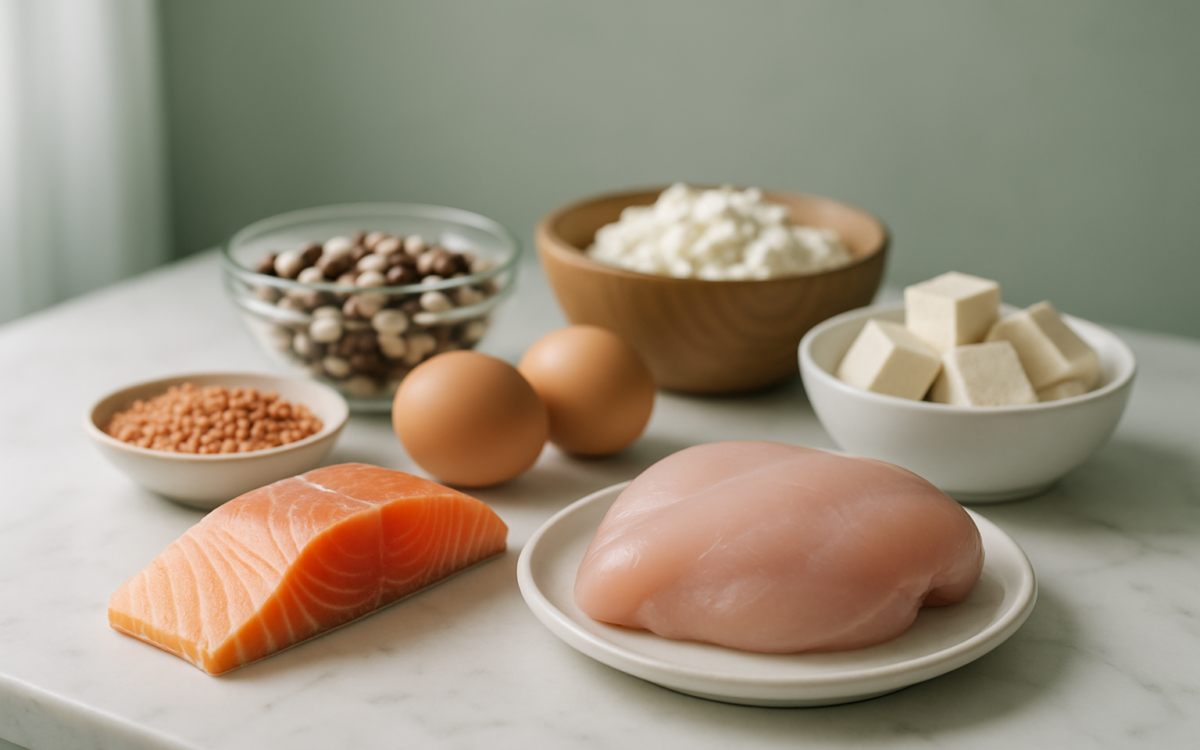
Protein is an essential nutrient that plays a vital role in our bodies. It helps build and repair tissues, supports immune function, and generates hormones and enzymes. But not all protein sources are created equal. Understanding the different types of protein foods can help you make informed choices for a balanced diet.
What Are Protein Foods?
Protein foods are items that provide a substantial amount of protein per serving. They can come from both animal and plant sources. Animal-based proteins often contain all nine essential amino acids, making them complete proteins, while many plant-based proteins may lack one or more essential amino acids. However, by combining different plant sources, you can achieve a complete amino acid profile.
Animal-Based Protein Foods
Animal-based protein sources include meat, dairy, and eggs. Here are some popular options:
- Meat: Beef, pork, lamb, and poultry like chicken and turkey are all rich in protein. Lean cuts of meat are especially recommended for a healthier diet.
- Fish: Not only is fish a high-quality source of protein, but it also contains healthy fats like omega-3 fatty acids. Salmon, tuna, and trout are excellent choices.
- Dairy: Milk, yogurt, and cheese provide a good amount of protein, along with calcium and other important nutrients.
- Eggs: Eggs are a powerhouse of protein and contain all essential amino acids. They are also versatile in cooking!
Plant-Based Protein Foods
For those who prefer plant-based diets or want to incorporate more vegetable sources of protein, numerous delicious options are available:
- Legumes: Beans, lentils, and chickpeas are rich in protein and fiber. They can be added to salads, soups, or made into spreads like hummus.
- Nuts and Seeds: Almonds, walnuts, chia seeds, and flaxseeds are great sources of protein. They also provide healthy fats and can be added to smoothies or eaten as snacks.
- Whole Grains: Quinoa, brown rice, and oats offer protein as well as complex carbohydrates. Quinoa, in particular, is a complete protein and an excellent choice for vegans.
- Tofu and Tempeh: Both made from soybeans, tofu and tempeh are excellent sources of protein and can be used in a variety of dishes.
How Much Protein Do You Need?
The amount of protein you need depends on your age, sex, and activity level. The Recommended Dietary Allowance (RDA) for protein is about 46 grams per day for adult women and 56 grams for adult men. However, athletes or those who engage in intense physical activity may require more protein to support muscle repair and growth. It’s essential to evaluate your individual needs, and a registered dietitian can help you create a tailored plan. The National Heart, Lung, and Blood Institute (NHLBI) provides additional resources on dietary needs.
Benefits of Including Protein Foods in Your Diet
Including adequate protein in your diet has numerous health benefits:
- Muscle Growth and Repair: Protein is crucial for building and repairing muscles, especially after exercise.
- Satiety: High-protein diets can help you feel full longer, which may aid in weight management.
- Bone Health: Certain protein sources, such as dairy, can help maintain bone density.
- Supports Immune Function: Proteins play key roles in immune responses, helping the body fend off illness.
Combining Protein Sources for Maximum Benefits
For individuals on a plant-based diet, it’s crucial to combine different protein sources to ensure you’re getting all essential amino acids. Some effective combinations include:
- Rice and beans
- Tortillas and black beans
- Peanut butter on whole-grain bread
- Lentils and quinoa
These combinations can provide a complete protein profile while also adding a variety of nutrients to your meal.
When to See a Doctor
If you’re considering a major dietary change, such as switching to a protein-heavy or plant-based diet, or if you experience any unusual symptoms related to your nutrition, it’s wise to consult a healthcare provider. This is especially true if you have underlying health conditions or allergies.
Conclusion
Incorporating a variety of protein foods into your diet can enhance your health and well-being. Whether you prefer animal or plant sources, balance and variety are key. Make informed choices to meet your nutritional needs, and don’t hesitate to reach out to a healthcare provider or registered dietitian if you have questions about your protein intake.
