
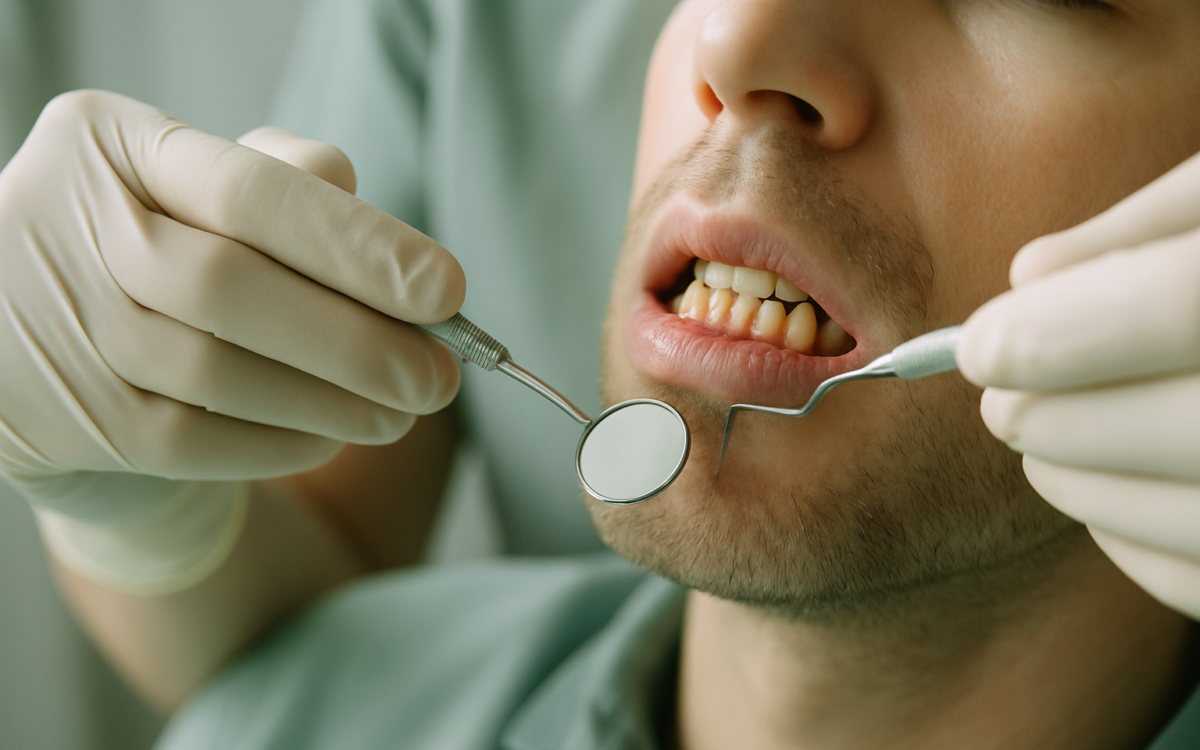
Periodontal disease, commonly known as gum disease, is an infection of the tissues that hold your teeth in place. It is often caused by poor dental hygiene that allows plaque—a sticky film of bacteria—to build up on teeth and harden. If left untreated, periodontal disease can lead to serious problems, including tooth loss. However, with proper care and regular dental visits, you can protect your oral health effectively.
What is periodontal disease?
Periodontal disease is primarily classified into two stages: gingivitis and periodontitis.
- Gingivitis: This is the earliest stage, where bacteria cause inflammation of the gums. Symptoms include red, swollen gums that may bleed during brushing or flossing. Fortunately, gingivitis is often reversible with good oral hygiene practices and regular dental cleanings.
- Periodontitis: If gingivitis progresses, it can lead to periodontitis. In this advanced stage, the inflammation spreads deeper into the supporting structures of the teeth, including the bone. This can result in gum recession, pockets forming between the teeth and gums, and potentially tooth loss.
Causes and risk factors
Several factors can contribute to the development of periodontal disease. Understanding these can help you identify your risk and take preventive measures:
- Poor oral hygiene: Neglecting to brush and floss regularly can lead to plaque accumulation.
- Smoking: Tobacco use impairs blood flow to the gums, making healing more difficult and increasing the risk of disease.
- Genetics: Some individuals may be genetically predisposed to gum disease.
- Diabetes: This condition can weaken your body’s ability to fight infections, increasing the risk for periodontal problems.
- Hormonal changes: Changes due to pregnancy, menstruation, or menopause can make gums more sensitive.
- Certain medications: Some drugs can affect your oral health by reducing saliva flow or causing gum tissue changes.
Signs and symptoms
Recognizing the signs of periodontal disease early can lead to better outcomes:
- Red, swollen, or bleeding gums
- Persistent bad breath
- Teeth that are loose or shifting
- Pain while chewing
- Receding gums
- Changes in the way your teeth fit together when you bite
Diagnosis and treatment
If you notice any symptoms of periodontal disease, it’s essential to consult a dental professional. They typically conduct a thorough dental examination, which may include:
- Assessing the health of your gums by measuring pocket depths around each tooth.
- Taking X-rays to check for bone loss or damage around your teeth.
After a proper diagnosis, treatment options will vary based on the severity of the disease:
- Non-surgical treatments: These include professional dental cleaning, scaling and root planing, which remove plaque and tartar from below the gum line, along with antibiotic treatments.
- Surgical treatments: In more serious cases, surgical options such as flap surgery or bone grafts may be necessary.
For individuals seeking care beyond their local resources, options for international patient services can open doors to advanced treatments abroad that may not be available locally.
Prevention strategies
Good oral hygiene and healthy lifestyle choices are crucial for preventing periodontal disease:
- Brush regularly: Brush twice a day with fluoride toothpaste and replace your toothbrush every three to four months.
- Floss daily: Flossing helps remove food particles and plaque between teeth where a toothbrush can’t reach.
- Regular dental visits: Professional cleanings and check-ups every six months can help catch early signs of gum disease.
- Quit smoking: If you smoke, seek help to quit. This can greatly improve your dental health.
- Manage your health: Control conditions like diabetes and address any medication side effects that impact your gums.
When to see a doctor
If you experience any symptoms of periodontal disease, it is essential to seek care from a dental professional. You should also consult a dentist if you notice any significant changes in your mouth, such as persistent bad breath or loose teeth. Early intervention can prevent more severe issues down the road.
Conclusion
Periodontal disease can have a significant impact on not just your oral health but your overall well-being. Understanding the causes, recognizing the symptoms, and knowing your options for prevention and treatment are essential. By committing to good dental hygiene and regular check-ups, you can protect your gums and teeth for years to come.
