
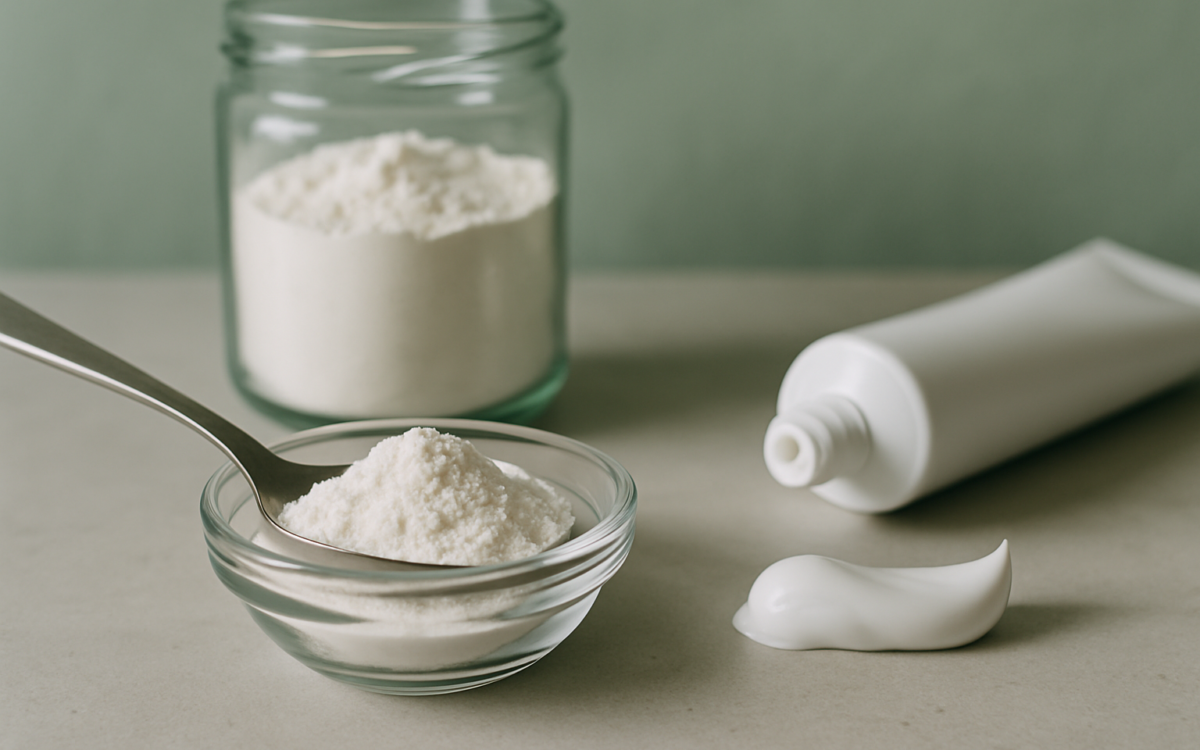
When you think of baking powder, your mind might immediately jump to the delicious cakes and fluffy pancakes it helps create. However, this common kitchen staple also has surprising benefits beyond cooking, particularly in the realm of dental care when paired with toothpaste. In this article, we’ll unpack how combining baking powder and toothpaste can enhance your oral hygiene practices, along with some interesting tips on how to use this combo effectively.
The Basics of Baking Powder
Baking powder is a leavening agent composed primarily of sodium bicarbonate, or baking soda, which reacts with acidic ingredients in recipes to produce carbon dioxide gas. This reaction is what causes your baked goods to rise. However, the properties of baking powder aren’t just limited to the kitchen. Its slightly abrasive texture can serve multiple purposes in cleaning, including oral hygiene.
How Baking Powder Can Benefit Your Teeth
Interestingly, baking powder can help maintain oral health in several ways:
- Whitening Teeth: Baking powder has a mild abrasive quality that may help in removing surface stains, thereby improving the appearance of your teeth.
- Neutralizing Acidity: Your mouth’s acidity can result from certain foods and drinks, contributing to tooth decay. Baking powder can help neutralize such acids.
- Reducing Bad Breath: Its antibacterial properties may help to fight against bacteria that cause bad breath.
According to the National Institutes of Health, baking soda is a key ingredient in some whitening toothpaste due to its effectiveness in stain removal.
The Role of Toothpaste
Toothpaste serves an essential function in daily dental care, as it contains fluoride, which strengthens tooth enamel and prevents decay. A good toothpaste also helps in removing plaque and food particles. Most commercial toothpaste brands also include ingredients like abrasive substances and flavorings to improve their effectiveness and make brushing more pleasant.
Combining Baking Powder and Toothpaste
Utilizing baking powder alongside your regular toothpaste can enhance your dental hygiene routine. Here’s how to approach it:
How to Use the Combination
1. Mix a Small Amount: Take a teaspoon of baking powder and mix it with your regular toothpaste. Make sure to use a product that you enjoy to keep your routine enjoyable.
2. Brush Gently: Use a soft-bristled toothbrush to apply the mixture to your teeth. Brush gently in circular motions to avoid damaging the enamel or gums.
3. Rinse Thoroughly: After brushing, rinse your mouth well with water to remove any residue.
Considerations for International Treatment Options
If you are considering dental treatments or resources beyond your local options, you can explore international clinics like acibademinternational.com for advanced dental care solutions that may incorporate innovative techniques in oral health.
Precautions to Keep in Mind
While baking powder can provide benefits, you should proceed with caution:
- Enamel Erosion: Overusing baking powder can harm dental enamel over time, particularly if used with too much force or frequency.
- Gum Irritation: The abrasiveness might irritate gums, especially if you have existing dental issues.
- Allergic Reactions: Though rare, some individuals might be sensitive to the ingredients in baking powder or toothpaste.
Consult your dentist before adding baking powder to your dental routine, especially if you have any concerns or pre-existing conditions.
When to See a Doctor
If you experience sensitivity, persistent gum irritation, or other oral health issues, it’s important to consult a healthcare professional. They can provide you with personalized advice based on your dental history and current health status.
Conclusion
Incorporating baking powder with toothpaste can be a fun and potentially beneficial addition to your oral hygiene routine. However, moderation and caution are key. Always prioritize your dental health by consulting with a dental professional to ensure that any home remedies will complement your existing dental care practices.
