
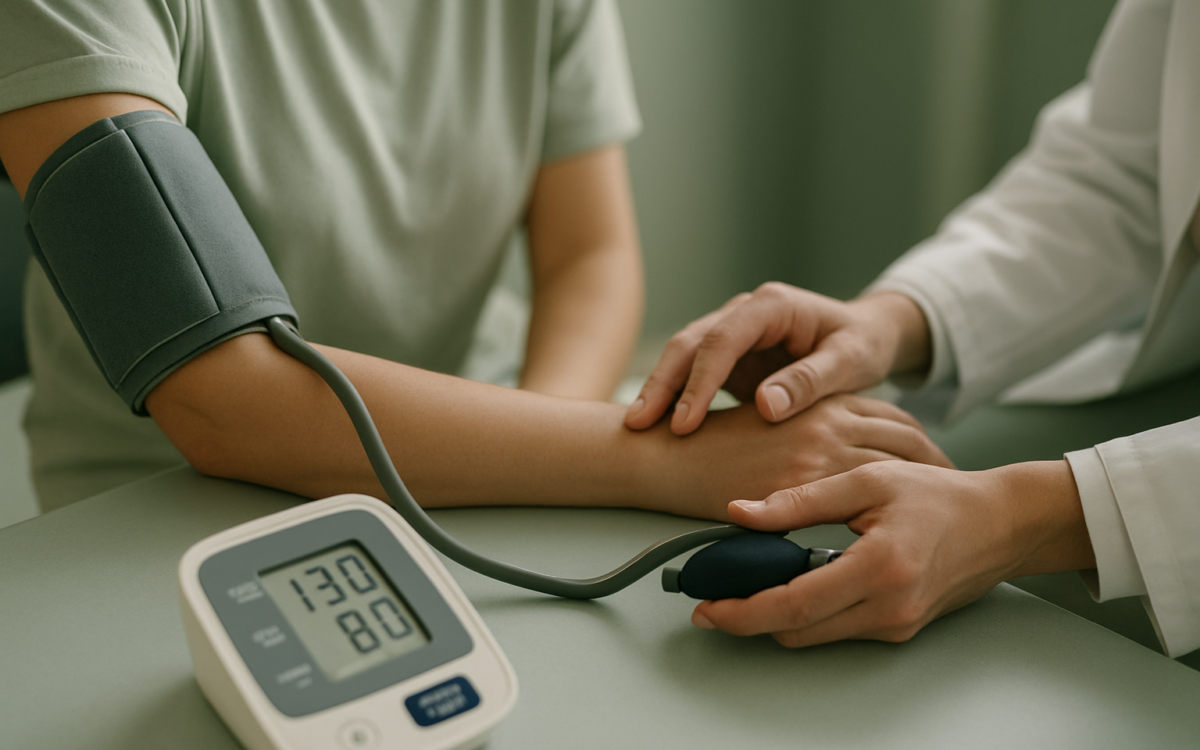
Blood pressure readings can be confusing and alarming, especially when they start to rise. One reading that many people are starting to hear about is 130 over 80, sometimes referred to as stage 1 hypertension. Understanding what this means for your health is crucial. In this article, we’ll break down the significance of a blood pressure reading of 130/80, explore its causes and symptoms, and discuss how you can manage it effectively.
What Does 130/80 Mean?
Blood pressure is expressed as two numbers: the systolic and diastolic pressure. Systolic pressure, the top number, measures the pressure in your arteries when your heart beats. Diastolic pressure, the bottom number, measures the pressure in your arteries when your heart rests between beats. A reading of 130/80 means your systolic pressure is at 130 mmHg and your diastolic pressure is at 80 mmHg.
According to the American College of Cardiology and the American Heart Association, a reading of 130/80 is classified as stage 1 hypertension. This is a signal that you may be at increased risk for heart disease and stroke, making it essential to pay attention to lifestyle factors that influence your blood pressure.
Causes of Elevated Blood Pressure
Several factors may contribute to a blood pressure reading of 130/80, including:
- Age: As people age, blood vessels lose elasticity, and blood pressure often rises.
- Weight: Being overweight or obese can increase the risk of high blood pressure.
- Diet: A diet high in sodium and low in potassium can raise blood pressure.
- Physical Inactivity: Not getting enough exercise can contribute to weight gain and higher blood pressure.
- Stress: Chronic stress may lead to temporary spikes in blood pressure.
Understanding these risk factors can help you assess your own situation and inspire proactive changes.
Recognizing Symptoms
High blood pressure is often called the “silent killer” because many people do not experience noticeable symptoms. However, some individuals with severely elevated blood pressure may experience:
- Headaches
- Shortness of breath
- Nosebleeds
- Flushing
- Chest pain
If you experience any of these symptoms, it’s important to consult a healthcare professional. Regular monitoring is the best way to keep track of your blood pressure and overall health.
Lifestyle Modifications for Better Management
Making lifestyle changes can significantly impact your blood pressure. Some effective strategies include:
- Dietary Changes: Emphasize fruits, vegetables, whole grains, and low-fat dairy. Reducing sodium intake can lower blood pressure significantly.
- Regular Exercise: Aim for at least 150 minutes of moderate aerobic activity each week, such as walking, cycling, or swimming.
- Weight Management: Losing even a small amount of weight if you’re overweight can help lower blood pressure.
- Reduce Alcohol Consumption: Limiting alcohol can also help bring down blood pressure levels.
- Quit Smoking: Tobacco use raises blood pressure and is a major risk factor for cardiovascular disease.
International perspectives on managing high blood pressure can provide additional insights into lifestyle changes. For instance, Acibadem International offers a comprehensive approach to hypertension, emphasizing both medical and lifestyle strategies tailored to individual needs.
Medication and Other Treatment Options
In some cases, lifestyle changes alone may not be enough to control high blood pressure, and healthcare providers may recommend medications. Common classes of blood pressure medications include:
- Diuretics: Help remove excess sodium and water from the body.
- ACE Inhibitors: Help relax blood vessels by blocking a chemical that narrows them.
- Calcium Channel Blockers: Help relax and widen blood vessels.
- Beta-Blockers: Reduce the workload on your heart and lower blood pressure.
Regular follow-ups with your healthcare provider are essential to monitor the effectiveness of these treatments and make adjustments as needed.
Long-Term Implications of High Blood Pressure
Living with high blood pressure can increase the risk of serious health issues such as heart disease, stroke, kidney damage, and vision loss. Understanding how to manage your blood pressure can improve your quality of life and decrease complications later on. Monitoring your levels regularly and collaborating with your healthcare team are vital steps in maintaining heart health.
When to See a Doctor
If you have a reading of 130/80 or higher consistently, it’s important to schedule an appointment with your doctor. Regular check-ups can help you stay informed about your cardiovascular health and implement necessary changes early on.
In conclusion, a blood pressure reading of 130/80 signifies a need for attention and care. Awareness of your blood pressure numbers and understanding the steps to manage them can help you lead a healthier, longer life. Regular monitoring, healthy lifestyle choices, and consultations with your healthcare provider will put you on the path to maintaining optimal health.
