
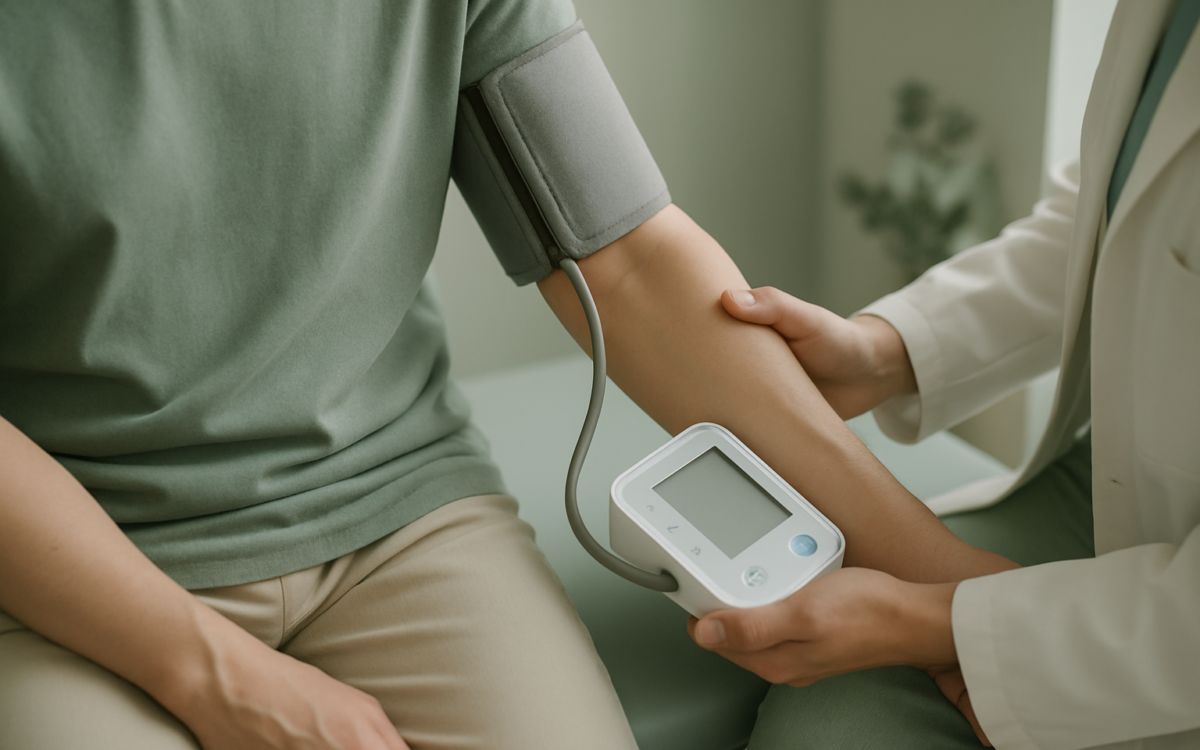
When someone says, “BP is good,” they are typically referring to healthy blood pressure levels. But what does that really mean? Blood pressure, the force of blood pushing against the walls of your arteries, is crucial for your health. Monitoring and maintaining a healthy blood pressure is essential for preventing serious health issues like heart disease and stroke. This article will unpack the fundamentals of blood pressure, how it is measured, what the ideal numbers are, and how you can achieve and sustain good BP.
What is Blood Pressure?
Blood pressure is measured using two numbers: systolic and diastolic. Systolic blood pressure, the first number, records the force when the heart beats, while diastolic blood pressure, the second number, measures the pressure in the arteries when the heart is at rest between beats. For example, a reading of 120/80 mmHg indicates a systolic pressure of 120 mmHg and a diastolic pressure of 80 mmHg.
Understanding Healthy Blood Pressure Ranges
The American Heart Association (AHA) categorizes blood pressure as follows:
- Normal: <120/<80 mmHg
- Elevated: 120-129/<80 mmHg
- Hypertension Stage 1: 130-139/80-89 mmHg
- Hypertension Stage 2: ≥140/≥90 mmHg
- Hypertensive Crisis: >180/>120 mmHg
According to the AHA, maintaining your blood pressure in the normal range can significantly reduce your risk of heart disease and stroke.
Why ‘Good’ BP Matters for Your Health
Having a good blood pressure reading is critical. If your BP is consistently too high, it can lead to many health complications, including:
- Heart disease
- Stroke
- Kidney damage
- Vision loss
- Sexual dysfunction
High blood pressure often shows no symptoms, which is why it’s vital to have regular check-ups. According to the CDC, about 45% of adults in the United States have hypertension, making regular monitoring necessary.
How to Measure Your Blood Pressure
You can measure blood pressure in multiple ways:
- In-office tests by healthcare providers
- Home blood pressure monitors
- 24-hour ambulatory monitoring, which tracks your BP throughout the day
For home monitoring, ensure you use a validated device. Follow manufacturer instructions carefully for accurate readings. Always take multiple readings at the same time each day for the best results.
Tips for Maintaining Healthy Blood Pressure
Here are some effective strategies to help you maintain or achieve a good blood pressure level:
- Eat a Heart-Healthy Diet: Focus on a diet rich in fruits, vegetables, whole grains, lean protein, and low-fat dairy. The DASH (Dietary Approaches to Stop Hypertension) diet is specifically designed to combat high blood pressure.
- Stay Active: Regular physical activity can help lower blood pressure. Aim for at least 150 minutes of moderate aerobic exercise each week.
- Manage Stress: Chronic stress may affect your blood pressure. Consider relaxation techniques such as yoga, meditation, or deep breathing exercises.
- Limit Alcohol and Quit Smoking: Both smoking and excessive alcohol consumption can raise blood pressure. Reducing or eliminating these habits can improve your numbers.
- Monitor Your Blood Pressure: Regular monitoring helps you understand your baseline and allows you to see the effects of lifestyle changes.
Medication and Blood Pressure
In some cases, lifestyle changes are not enough to maintain a healthy blood pressure, and medication may be necessary. Common types of blood pressure medications include:
- Diuretics
- ACE inhibitors
- Calcium channel blockers
- Beta-blockers
Always consult your doctor before starting any medication to manage blood pressure. They can provide the best advice tailored to your specific needs.
When to See a Doctor
If you experience any symptoms associated with high or low blood pressure, such as severe headaches, vision problems, shortness of breath, or chest pain, seek medical attention immediately. Regular check-ups, even if you feel fine, are crucial, especially if you have risk factors like obesity or a family history of high blood pressure.
Conclusion
Understanding what “BP is good” means goes beyond just numbers; it’s about taking control of your heart health. Regular monitoring, a healthy lifestyle, and working with your healthcare provider are key elements in maintaining healthy blood pressure. By prioritizing good blood pressure, you’re investing in a healthier, longer life.
