
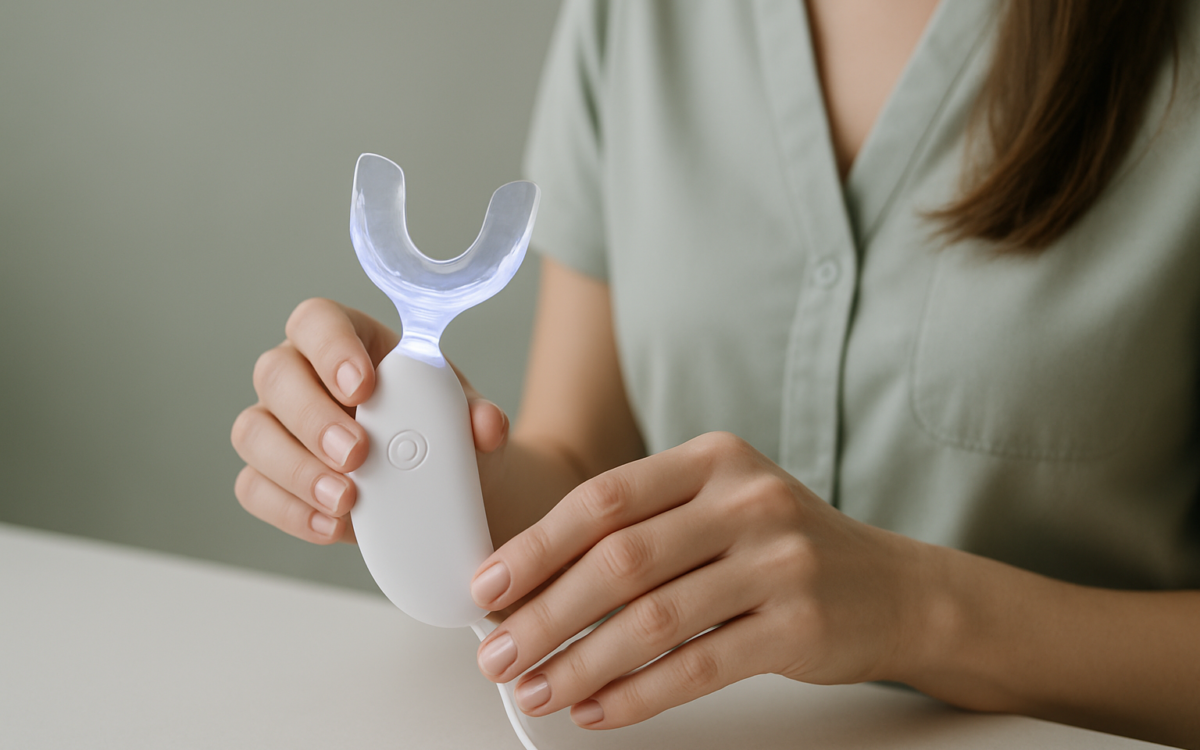
Your smile can say a lot about you, and many people desire a bright, white set of teeth. However, over time, our teeth can become stained from foods, drinks, and natural aging. Luckily, there are various options available for whitening your teeth. In this article, we will explore popular teeth whiteners, their effectiveness, safety, and what to consider before you begin your whitening journey.
Understanding Teeth Staining
Teeth can be stained for several reasons, primarily categorized into two types: intrinsic and extrinsic stains. Extrinsic stains occur on the surface of your teeth and are often caused by foods and beverages like coffee, tea, red wine, and berries. Intrinsic stains, on the other hand, reside within the tooth and can result from factors like aging, certain medications, or excessive fluoride exposure during childhood.
Popular Teeth Whitener Options
When it comes to teeth whitening, there are several products and methods available:
- Over-the-counter Whitening Strips: These adhesive strips contain a hydrogen peroxide-based gel and are applied directly to the teeth. Typically, they offer gradual improvements in tooth color over several days.
- Whitening Toothpaste: Formulated with mild abrasives and special chemicals, this toothpaste helps to remove surface stains while preventing new ones from forming. However, results take longer to notice, generally requiring consistent use.
- Professional In-Office Whitening: This method involves a dental professional applying a high-concentration bleaching agent to your teeth. It often provides the quickest results and is tailored specifically to your dental needs.
- At-Home Professional Kits: These kits, provided by your dentist, usually include custom-made trays and a whitening gel. They can offer significant results and are often a middle ground between at-home and in-office whitening.
Factors to Consider Before Whitening
Before deciding on a teeth whitener, consider the following:
- Tooth Sensitivity: Some people experience heightened sensitivity after whitening treatments. If you have sensitive teeth, you may want to consult your dentist for recommendations on gentle whitening options.
- Current Dental Health: If you have cavities or gum disease, whitening can exacerbate these issues. It’s crucial to address any dental health concerns first.
- Crowns and Veneers: Teeth whitening products will not affect dental work such as crowns or veneers. If you have these, consult your dentist about options for achieving a uniform shade.
Natural Teeth Whitening Solutions
If you prefer a more natural approach, there are a few home remedies known for their mild whitening effects:
- Baking Soda: This common household item serves as a mild abrasive that can help remove stains. Mix it with water to form a paste and brush your teeth with it occasionally.
- Hydrogen Peroxide: This antiseptic can also be used as a teeth whitener. Dilute it with water and use it as a mouthwash or mixed with baking soda to create a paste. However, do this sparingly to avoid gum irritation.
- Fruits and Vegetables: Crunchy fruits and veggies like apples and carrots help clean teeth naturally and can contribute to a brighter smile.
International Perspectives on Teeth Whitening
Teeth whitening practices can vary around the world. For example, some regions focus on natural remedies, while others might lean more towards advanced dental technologies. If you’re considering undergoing a teeth whitening procedure abroad, resources like acibademinternational.com provide valuable insights into different treatment options and healthcare standards. It’s important to check the credibility of the treatment center and the qualifications of the dental professionals involved.
Maintaining Your Whiter Smile
After whitening, it’s essential to maintain your results. Here are a few tips:
- Regular Dental Hygiene: Brush your teeth at least twice a day and floss daily to prevent new stains.
- Avoid Staining Foods and Drinks: Consider limiting your intake of coffee, alcohol, and pigmented foods that could lead to discoloration.
- Routine Dental Checkups: Regular visits to your dentist will help keep your teeth healthy and can include professional cleanings to maintain brightness.
When to See a Doctor
If you have persistent staining, tooth sensitivity, or any pain after trying whitening products, it’s advisable to consult your dentist. Additionally, if you have concerns about your overall oral health or the best whitening methods for your needs, seeking professional advice is always a beneficial step.
Ultimately, the key to a beautiful smile lies not only in the shade of your teeth but also in how well you care for them. By understanding your options and maintaining your oral health, you can achieve and enjoy a smile that shines with confidence.
