
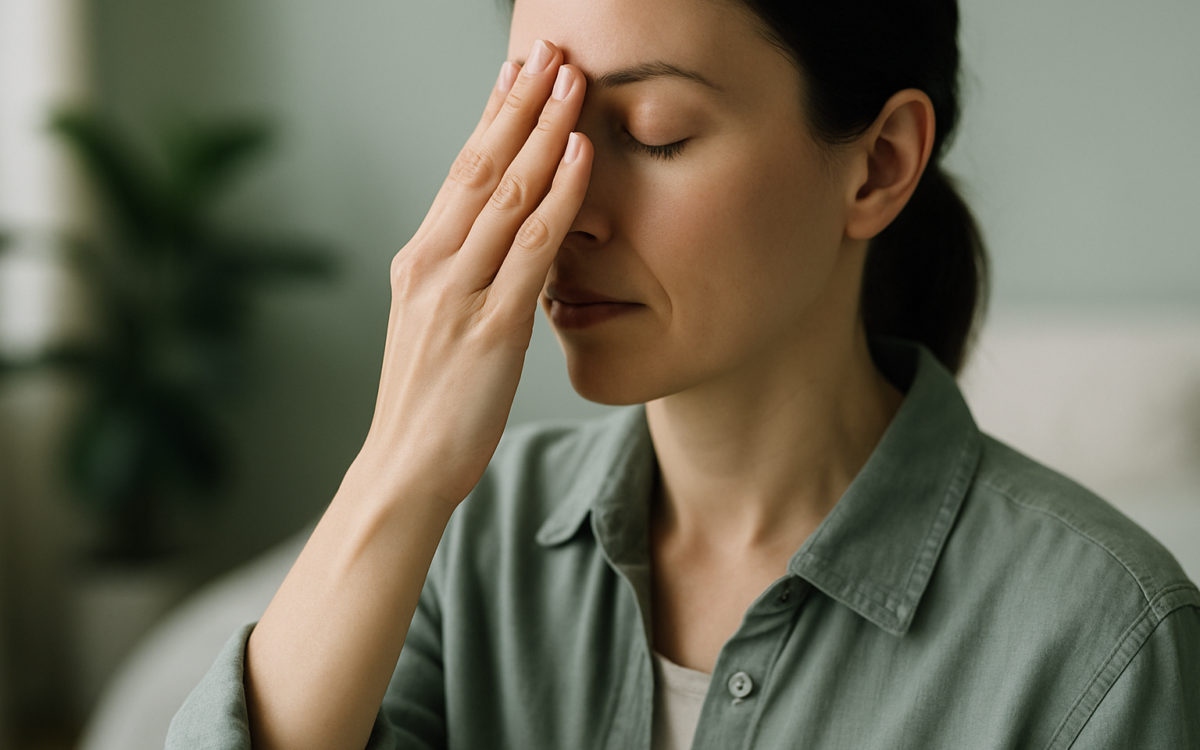
In today’s fast-paced world, stress often feels like a constant companion. Whether it’s due to work pressures, family responsibilities, or personal obligations, managing stress is essential for maintaining our overall health. Fortunately, there are numerous techniques available that can help us relax and regain our peace of mind. In this article, we’ll explore several effective methods to relieve stress, enabling you to find what works best for you.
Understanding Stress and Its Effects
Stress is our body’s natural reaction to challenges or demands, often referred to as stressors. When encountered, our bodies release hormones like cortisol and adrenaline, which prepare us to respond to perceived threats. While stress is a normal part of life, chronic stress can lead to a variety of health problems, including anxiety, depression, heart disease, and digestive issues (CDC). Understanding how stress affects us is the first step in managing it.
Mindfulness and Meditation
One of the most effective techniques for relieving stress is mindfulness, which involves paying full attention to the present moment without judgment. Mindfulness can be practiced through meditation, deep breathing, or simply by being aware of your surroundings.
Mindfulness Meditation
To practice mindfulness meditation, find a quiet space and sit comfortably. Close your eyes and focus on your breath. Inhale deeply through your nose, allowing your abdomen to rise. Exhale slowly through your mouth. If your mind wanders, gently bring your focus back to your breath. Even a few minutes of this practice can help reduce stress and promote relaxation.
Deep Breathing Exercises
Deep breathing is a simple but powerful stress relief technique. It activates the body’s relaxation response, lowering heart rate and promoting a sense of calm.
- Find a comfortable position.
- Inhale deeply through your nose, filling your lungs and allowing your belly to expand.
- Hold your breath for a count of four.
- Exhale slowly through your mouth.
- Repeat the cycle for several minutes.
This method can be done anywhere, making it an accessible way to manage stress throughout the day.
Physical Activity and Exercise
Engaging in physical activity can significantly decrease stress levels. Exercise triggers the release of endorphins, chemicals in the brain that act as natural painkillers and mood elevators. It can also improve sleep, which is often disrupted by stress.
- Walking: A brisk 30-minute walk can help reduce anxiety and improve mood.
- Yoga: This combines physical movement with deep breathing and meditation, making it an excellent stress reliever.
- Dancing: This enjoyable activity allows you to express yourself and can be a fantastic way to unwind.
Whatever the activity, the key is to find something you enjoy, which will make it easier to stick with it.
Nature and Outdoor Activities
Spending time in nature has been shown to decrease stress levels and boost mood. The sights, sounds, and smells of the natural world can distract us from our worries and remind us of the beauty around us.
- Nature Walks: Try walking in a local park, forest, or along a beach, appreciating the beauty of different natural environments.
- Gardening: Engaging with plants can be therapeutic, providing a sense of purpose and connection to the earth.
Additionally, research suggests that being in green spaces can lower cortisol levels, which may help lower stress (NIH).
Creative Outlets: Art and Journaling
Expressing yourself creatively can be an effective way to manage stress. Creative activities take your mind off worries and allow for emotional expression.
Art Therapy
Painting, drawing, or engaging in crafts can help you relax and process your feelings. You don’t need to be an artist; the goal is to use creativity as an outlet.
Journaling
Writing about your experiences can also be a significant stress reliever. Take a few minutes each day to write about your thoughts and feelings. This practice can help you clarify your emotions and reflect on your stressors.
Connecting with Others
Social support is crucial in managing stress. Spending time with family, friends, or even pets can provide comfort and a sense of belonging.
- Talk it Out: Simply talking to someone about your stressors can help lighten the emotional load.
- Join a Group: Connecting with people who share similar interests can foster friendship and support, mitigating feelings of isolation.
- Volunteer: Helping others can also reduce your stress by taking your mind off your problems, plus it feels good to make a positive impact.
Remember, reaching out shouldn’t only be for times of crisis; regular check-ins with loved ones can strengthen those bonds and provide ongoing support.
When to See a Doctor
While stress is a natural response to life’s challenges, persistent stress over weeks or months can negatively impact your physical and mental health. Consider seeking professional help if you experience:
- Severe anxiety or depression
- Physical symptoms like headaches or stomach issues that persist
- Difficulty managing daily responsibilities due to stress
Your healthcare provider can offer guidance, support, and treatment options tailored to your needs.
By incorporating these stress-relief techniques into your daily routine, you can take proactive steps toward a calmer, more balanced life. Don’t hesitate to explore different approaches to discover what resonates best with you. Remember, stress relief is a personal journey, and everyone deserves to find their calm.
