
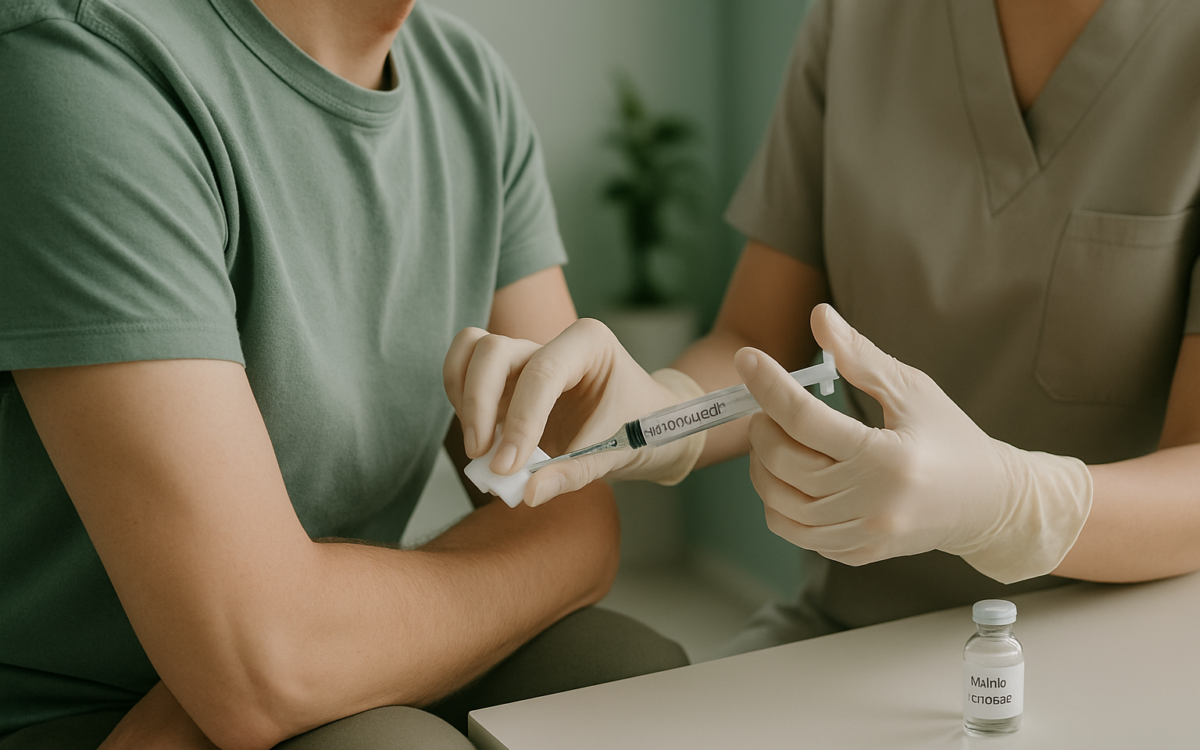
The MMR vaccine protects against three serious diseases: measles, mumps, and rubella. While many people associate vaccinations primarily with childhood, adults also play a critical role in preventing the spread of these diseases. In recent years, there has been a resurgence of measles in various parts of the world, underscoring the importance of ensuring that adults are protected as well. This article explores the need for the MMR vaccine in adults, its benefits, and considerations for vaccination.
What is the MMR Vaccine?
The MMR vaccine is a combination vaccine that immunizes against measles, mumps, and rubella. These are highly contagious viral infections that can lead to serious health complications. The vaccine typically consists of two doses, usually administered in childhood, but many adults may have received only one or none at all. According to the CDC, if you’ve never had the vaccine, it’s important to consider getting vaccinated as an adult.
Why Adults Need the MMR Vaccine
Adults may need the MMR vaccine for various reasons. Here are some key factors:
- Changing guidelines: Vaccination recommendations can change over time. The CDC now suggests that adults born in 1957 or later who have not received the MMR vaccine check their immunization status.
- Travel requirements: If you are traveling internationally, some countries require proof of measles immunity. The MMR vaccine is an effective way to fulfill these travel requirements.
- Outbreak prevention: With recent outbreaks of measles in the United States, unvaccinated adults can contribute to the spread of the disease. Vaccination not only protects you but also helps safeguard those who are unable to be vaccinated.
Measles: A Serious Health Concern
Measles is highly contagious, with the potential to cause severe complications, including pneumonia, encephalitis, and even death. According to the World Health Organization (WHO), measles can spread quickly in communities with high rates of unvaccinated individuals.
Despite being vaccine-preventable, cases of measles continue to rise in part due to declines in vaccination rates. It’s essential for adults to be informed about their vaccination status and to consider getting the MMR vaccine, especially if they are part of a community with low immunization rates.
Mumps and Rubella: Understanding the Risks
Mumps and rubella, while not as notorious as measles, can also lead to serious complications. Mumps can cause swelling of the salivary glands, leading to discomfort, and in severe cases, can affect hearing and reproductive health. Rubella poses significant risks, particularly for pregnant women, as it can result in serious birth defects.
Vaccination is vital not only for individual health but also for community health. The more people that are immunized, the lesser the chance these diseases have to spread.
The Benefits of Receiving the MMR Vaccine as an Adult
Receiving the MMR vaccine as an adult provides several benefits, including:
- Protection from dangerous diseases: The vaccine reduces your risk of contracting measles, mumps, and rubella, which can cause severe health issues.
- Community immunity: By getting vaccinated, you contribute to herd immunity, protecting vulnerable populations who may not be able to receive the vaccine.
- Peace of mind: Knowing that you are protected against these diseases can provide significant peace of mind, especially if you travel frequently or work in healthcare settings.
Who Should Consider the MMR Vaccine?
Adults who should consider the MMR vaccine include:
- Those who have never been vaccinated or do not have proof of immunity.
- Individuals planning to travel abroad, where measles outbreaks may be more common.
- Healthcare workers who are at risk of exposure to infectious diseases.
- Pregnant women who may need to check their immunity before conception.
Consulting your healthcare provider can help determine your need for the MMR vaccine based on your medical history and lifestyle factors.
When to See a Doctor
If you are unsure whether you need the MMR vaccine, it is a good idea to consult with your healthcare provider. Additionally, if you have had close contact with someone who has measles, mumps, or rubella, reach out to your doctor for advice. Symptoms of these diseases can vary, and early intervention is key to preventing severe complications.
In conclusion, while the MMR vaccine is often associated with childhood immunization, it is equally vital for adults to maintain their vaccination status. The importance of protecting oneself against diseases like measles, mumps, and rubella cannot be overstated, especially given recent outbreaks. Keep your health and the health of your community in mind by discussing the MMR vaccine with your healthcare provider.
