
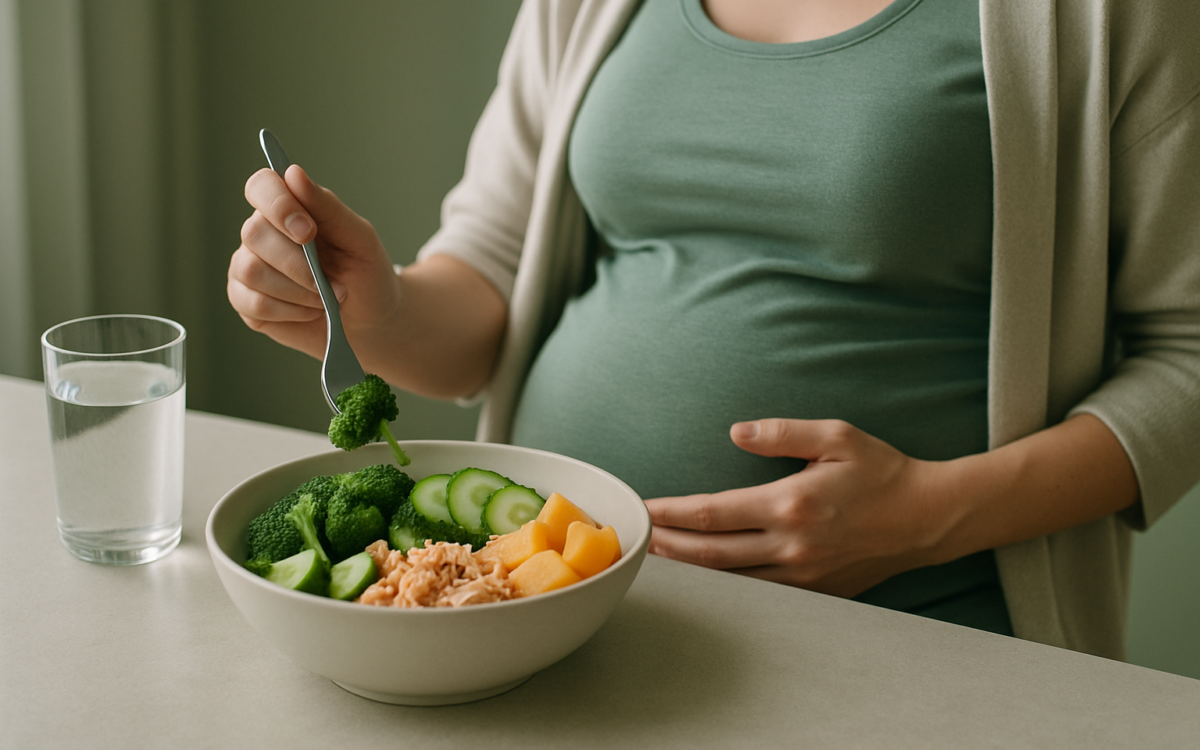
Pregnancy is a remarkable journey filled with excitement and anticipation. As your body prepares to nurture a new life, proper nutrition becomes crucial. A balanced, healthy diet not only supports your wellbeing but also promotes the optimal growth and development of your baby. Let’s dive into the essentials of healthy eating during pregnancy.
Understanding Your Nutritional Needs
During pregnancy, your body requires additional nutrients to sustain both you and your growing baby. It’s not just about eating for two; it’s about eating well. The American College of Obstetricians and Gynecologists (ACOG) emphasizes that the quality of your food is paramount. This means focusing on a range of nutrients, including proteins, vitamins, and minerals.
Essential Nutrients for Pregnancy
Here’s a breakdown of key nutrients you should prioritize:
- Folic Acid: Crucial for preventing neural tube defects, folic acid should be a staple in your prenatal diet. Aim for at least 600 micrograms daily through leafy greens, beans, and fortified cereals.(CDC)
- Iron: Iron supports your blood volume and your baby’s development. Incorporate iron-rich foods like red meat, poultry, lentils, and fortified cereals. Consider pairing them with vitamin C sources, like oranges or bell peppers, to enhance absorption.
- Calcium: A critical mineral for your baby’s bone development, aim for about 1,000 mg of calcium daily. Include dairy products, tofu, and leafy greens in your diet.(NIH)
- Protein: Vital for growth, protein should be included in every meal. Foods like lean meats, fish, eggs, beans, and nuts are great sources.
- Omega-3 Fatty Acids: These healthy fats are important for brain development. Include sources like fatty fish, flaxseeds, and walnuts in your diet.
Building a Balanced Plate
Creating a balanced plate can help you meet your nutritional needs. Follow these tips to ensure you’re eating a diverse array of foods:
- Fruits and Vegetables: Aim for at least five servings a day. Different colors mean different nutrients, so mix it up!
- Whole Grains: Opt for whole grains like brown rice, quinoa, and whole wheat bread. They provide necessary fiber and help maintain steady energy levels.
- Protein Choices: Include a mix of animal and plant-based proteins. Lean meats, legumes, eggs, and dairy products should be part of your daily meals.
- Healthy Fats: Use fats wisely. Favor avocados, olive oil, and nuts over saturated fats.
Foods to Avoid or Limit
While it’s essential to know what to eat, it’s equally important to be aware of foods that carry risks:
- Raw or Undercooked Seafood, Meat, and Eggs: These can harbor harmful bacteria or parasites. Ensure all food is cooked thoroughly.
- Caffeine: Limit your caffeine intake to no more than 200 mg per day, which is roughly the amount in one 12-ounce cup of coffee.
- Alcohol: There is no known safe amount of alcohol during pregnancy. It’s best to avoid it entirely to prevent fetal alcohol spectrum disorders.
Listening to Your Body
During pregnancy, your body will undergo many changes, including shifts in your appetite. It’s important to listen to your body’s cues. You might find that you crave certain foods or feel averse to others. What’s crucial is to prioritize nutritious choices within those cravings. If you feel nauseous, try eating small, frequent meals rather than three larger ones, focusing on bland foods like crackers or toast.
The Role of Hydration
Staying hydrated is key during pregnancy. Make water your main beverage and aim for about 8 to 10 cups per day. Hydration supports increased blood volume and helps with common pregnancy discomforts like constipation and swelling. You can also consume fluids through soups, herbal teas, and hydrating fruits like watermelon.
When to See a Doctor
It’s essential to have regular check-ups with your healthcare provider throughout your pregnancy. Consult your doctor if you experience:
- Severe nausea or vomiting that prevents you from keeping food down.
- Heavy swelling or sudden weight gain that could indicate complications.
- Any concerns about your diet, including questions about supplements or specific food intolerances.
A Journey of Nourishment
Your diet during pregnancy plays a vital role in your health and the health of your baby. By focusing on balanced nutrition and being mindful of what you eat, you can nurture both yourself and your little one. Remember, each pregnancy is unique, so consult with your healthcare provider for personalized dietary advice. Your journey to motherhood deserves the best foundation, starting with nourishing your body.
