
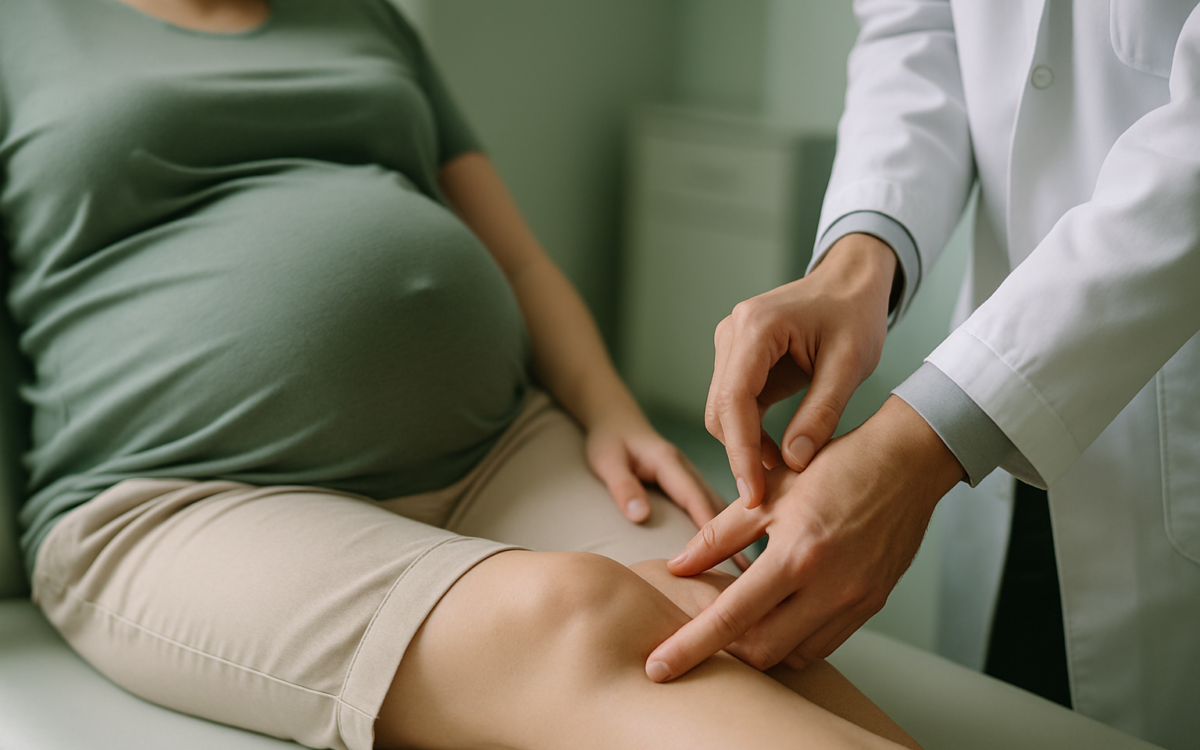
As the due date approaches, many expectant mothers may be eager to meet their little ones. For some, this eagerness brings an interest in natural ways to encourage the start of labor. One method that has gained popularity is the use of pressure points—specific areas on the body thought to stimulate contractions and help in the birthing process. While pressure points are not guaranteed to induce labor, understanding how they work can be a fascinating aspect of the journey toward parenthood.
What Are Pressure Points?
Pressure points are specific areas on the body associated with energy pathways and can be stimulated through techniques like acupressure and massage. These points are founded in traditional Chinese medicine and aim to promote overall well-being and balance. While the evidence regarding their effectiveness in inducing labor is mixed, many women find comfort in exploring these methods as part of their prenatal care.
Common Pressure Points for Labor Induction
Several pressure points may help stimulate contractions and promote cervical ripening. Here are three commonly discussed points:
- LI4 (Hegu): Located between the thumb and index finger, this point is often targeted for various pregnancy-related discomforts. Some believe that stimulating LI4 can assist in the onset of labor.
- SP6 (Sanyinjiao): This point is located approximately four finger widths above the inner ankle bone along the back of the leg. It’s traditionally regarded as a key point for female reproductive health.
- B40 (Weizhong): Found at the back of the knee, this point is believed to help with lower back pain and pelvic pressure, and some suggest that it may support contractions.
While these pressure points can be used to encourage relaxation and facilitate the body’s natural processes, there is limited scientific research proving that they directly induce labor. Women interested in trying acupressure should consult their healthcare providers to ensure safe practices.
How to Apply Pressure Points Safely
If you decide to explore acupressure, here are some tips for applying pressure points safely:
- Consult Your Doctor: Always check with your healthcare provider before trying acupressure, especially if you have any medical conditions or complications during pregnancy.
- Create a Calm Environment: Find a quiet space and get comfortable. You may want to use soft lighting and calming music to help relax your body.
- Use Gentle Pressure: Apply steady, firm pressure with your fingers for about 30 seconds to 2 minutes. Avoid causing pain, as it may have adverse effects. Experiment with using your fingers, knuckles, or even a massage ball.
- Pay Attention to Your Body: Listen to your body’s cues. If any pressure point causes discomfort, stop immediately and consult your doctor.
The Role of Massage and Relaxation Techniques
In addition to acupressure, massage therapy can be a helpful tool in preparing for labor. Regularly receiving massages may alleviate discomfort and reduce stress, promoting relaxation in the weeks leading up to the due date. Techniques such as gentle back rubs and foot massages can enhance circulation, ease tension, and prep the body for delivery.
Moreover, relaxation techniques like prenatal yoga, deep breathing exercises, and meditation can help connect mothers to their bodies, contributing to a more positive birthing experience. These methods can also assist in alleviating anxiety, which is beneficial during the labor process.
Other Natural Labor Induction Methods
While acupressure and massage are popular choices, there are several other natural methods mothers might consider for labor induction. Some of these methods include:
- Walking: Gentle exercise like walking can help engage the baby and encourage contractions.
- Nipple Stimulation: This can help release oxytocin, which may lead to contraction and labor.
- Spicy Foods: While there’s limited scientific backing, some believe that spicy foods can cause digestive discomfort and possibly stimulate the uterus.
Always discuss these ideas with your healthcare provider to ensure they align with your overall plan for labor and delivery.
When to See a Doctor
As exciting as it is to think about inducing labor naturally, it is crucial to contact your healthcare provider if you have any concerns or experience unusual symptoms. Signs that warrant immediate medical attention include:
- Severe abdominal pain or cramping
- Heavy bleeding
- Signs of preterm labor before 37 weeks
- Any signs that the baby may be in distress
Always prioritize safety. Your healthcare provider can offer the best advice tailored to your specific needs.
Conclusion
While there is no magic way to guarantee labor onset just by applying pressure points, exploring this practice can be part of a holistic approach to preparing for childbirth. Whether through acupressure, massage, or other natural methods, it’s essential to listen to your body and consult your doctor about any techniques you choose to try. Remember, every pregnancy is unique, and your healthcare provider is your best resource on this remarkable journey.
