
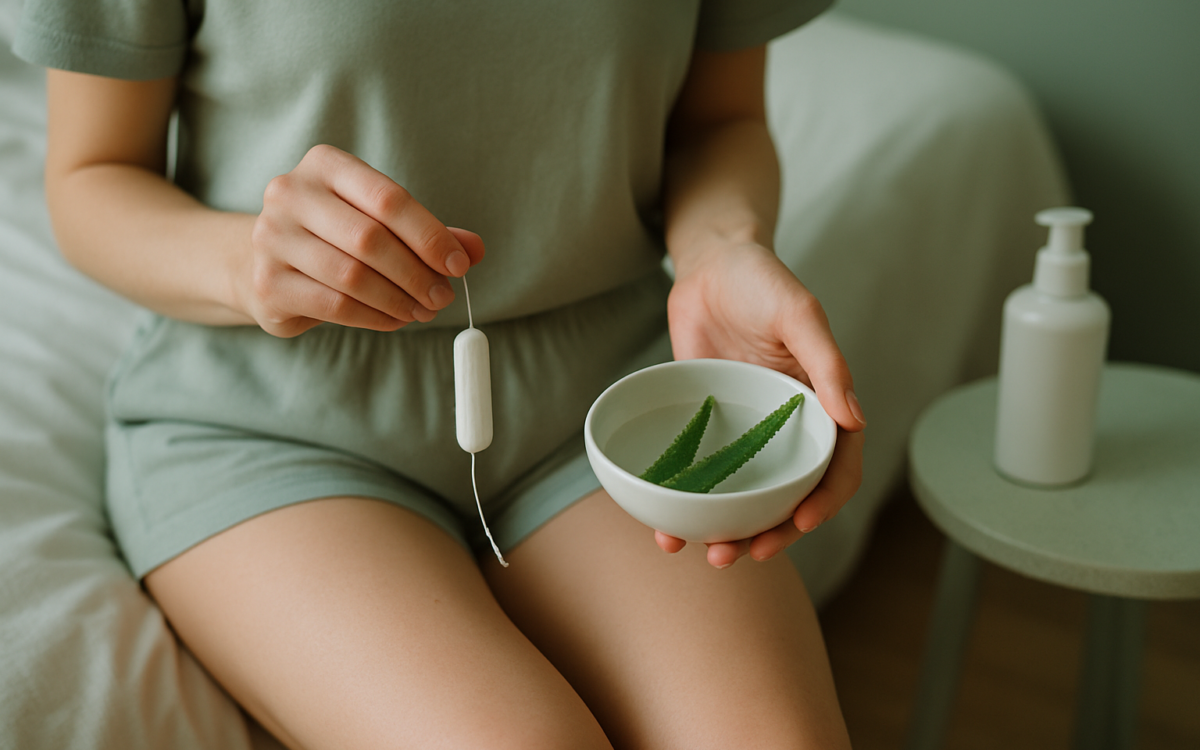
It’s perfectly normal for everyone to experience natural body odors, including the vagina. However, if you notice a strong or unpleasant smell, you might want to investigate further. Vaginal odor can result from various factors, including hygiene practices, diet, and infections. Understanding the cause can help you find effective remedies and maintain your health.
What Causes Vaginal Odor?
Vaginal odor can come from different sources. Common causes include:
- Natural scent: Every person has a unique vaginal scent, influenced by factors like hormones and menstrual cycle.
- Poor hygiene: Infrequent washing or wearing damp clothes can promote odor.
- Diet: Foods like garlic, onions, and certain spices might affect your scent.
- Infections: Bacterial vaginosis, yeast infections, and sexually transmitted infections can lead to noticeable odor.
Understanding these factors can help you pinpoint the cause of your concern. It’s essential to remember that a change in odor may indicate an underlying issue that deserves attention.
Simple Hygiene Practices
Good hygiene is one of the most effective ways to maintain a pleasant vaginal scent. Here are a few tips:
- Daily washing: Clean your genital area daily with mild soap and water. Avoid douching, as this can disrupt natural flora.
- Wear breathable fabrics: Opt for cotton underwear that allows airflow and absorb moisture, preventing a damp environment.
- Change out of wet clothes: After swimming or exercising, change quickly out of wet attire to reduce moisture buildup.
Adopting these habits can significantly decrease the likelihood of developing odor-causing bacteria.
Natural Remedies to Try
If you’re looking to help manage vaginal odor naturally, consider the following remedies:
- Probiotics: Incorporating probiotic-rich foods like yogurt and kefir into your diet may promote healthy vaginal flora and reduce odor.
- Apple cider vinegar: Some women find that adding a few tablespoons of apple cider vinegar to their bathwater helps balance vaginal pH. Always rinse afterward and avoid direct application.
- Coconut oil: This oil has natural antibacterial properties. Some individuals use it for external lubrication instead of commercial products.
While these remedies may assist in maintaining a fresher scent, personal experience varies, and results may not be guaranteed.
Diet’s Role in Vaginal Health
Your diet plays a significant role in your overall health, including vaginal health. Foods that are rich in antioxidants, vitamins, and minerals can help support your body’s natural balance. Incorporating these foods may improve your vaginal odor:
- Fruits: Berries, citrus fruits, and apples are not only nutritious but can also positively influence your body’s scent.
- Vegetables: Leafy greens and cruciferous vegetables like broccoli are great for overall health.
- Hydration: Drinking plenty of water helps flush out toxins, potentially affecting odor.
Moreover, if you’re traveling abroad for health reasons, consider facilities with international patient services that prioritize holistic wellness, including dietary advice.
When to See a Doctor
While many cases of vaginal odor resolve with simple hygiene improvements or lifestyle changes, some situations warrant a visit to your healthcare provider. You should seek medical advice if:
- The odor is accompanied by unusual discharge, itching, or irritation.
- You have a strong, fishy odor, particularly after intercourse.
- The odor persists despite improved hygiene practices.
- There are symptoms of a sexually transmitted infection, such as pain during urination or intercourse.
Conclusion
Having a smelly vagina can be an uncomfortable topic, but it’s essential to address it openly and knowledgeably. By understanding the potential causes, practicing good hygiene, and exploring natural remedies, you can take charge of your vaginal health. Remember, if concerns persist or worsen, consulting with a healthcare provider is always a wise decision.
