
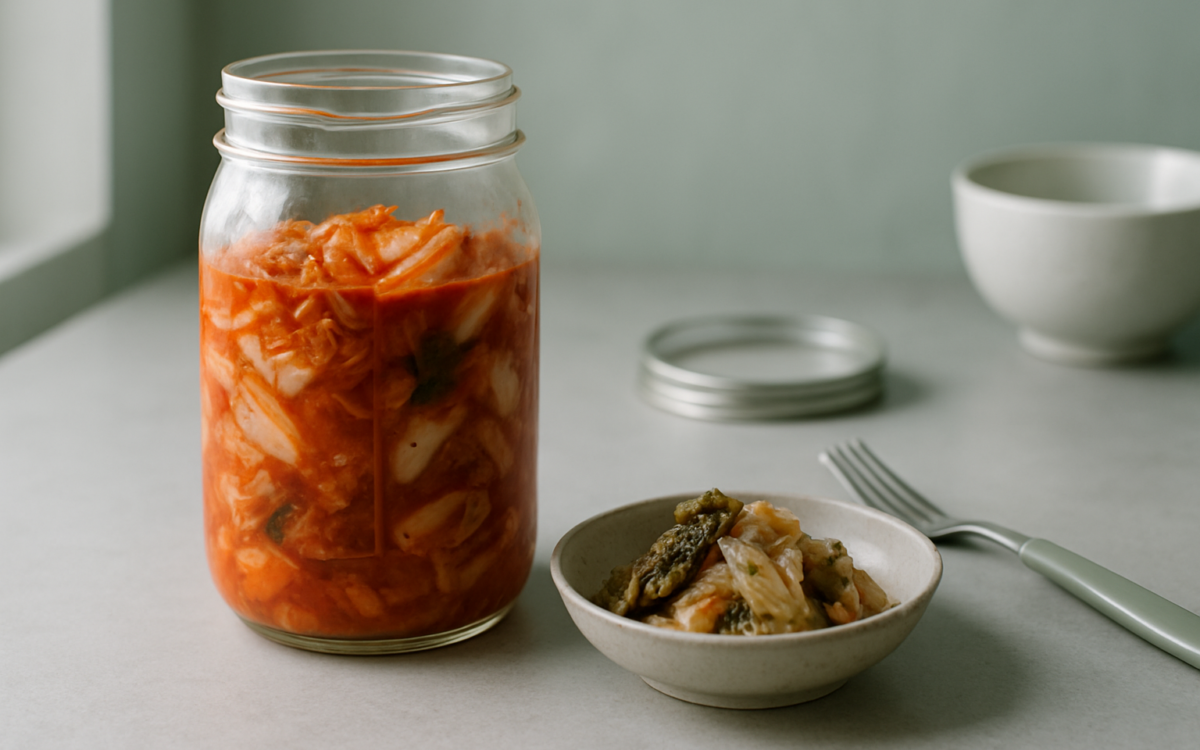
Kimchi, a staple in Korean cuisine, is not only delicious but also packed with nutrients and probiotics. This fermented dish, made from vegetables and spices, has gained popularity around the world for its unique flavor and health benefits. However, like any food, kimchi can go bad over time. So, how can you tell if your kimchi is still good? Let’s explore that question while also discussing how to store it correctly for optimal longevity.
Understanding Kimchi and Fermentation
Kimchi is made through a natural fermentation process, where beneficial microorganisms like bacteria help preserve the vegetables. Unlike many foods, fermented products such as kimchi can last longer even without refrigeration, thanks to this process. However, fermentation is ongoing; over time, the flavors and the safety of the dish can change. It’s important to understand the factors that influence the longevity of kimchi.
How Kimchi Goes Bad
Even though kimchi can have a long shelf life, it can still spoil. Here are some signs that your kimchi may have gone bad:
- Off Odor: Fresh kimchi has a spicy, tangy smell. If it smells rotten or unpleasant, it might be time to toss it out.
- Color Changes: While kimchi will naturally darken as it ferments, drastic changes in color, like a brownish or gray hue, can indicate spoilage.
- Mold Growth: Finding mold on the surface is a definite sign of spoilage. Discard the entire jar if you see any.
- Changes in Texture: If your kimchi becomes excessively soft or mushy, it may have gone bad.
- Unusual Taste: Kimchi is inherently sour, but if it tastes overly bitter or has an unexpected flavor, it might be spoiled.
Storage Tips for Long-Lasting Kimchi
The way you store kimchi can significantly affect how long it lasts. Here are some tips to keep your kimchi fresh:
- Refrigeration: Always store kimchi in the refrigerator once opened. The cold slows down fermentation, prolonging its shelf life.
- Airtight Container: Use a clean, airtight container to minimize exposure to air, which can lead to faster spoilage.
- Submerge in Brine: Ensure the vegetables are submerged in the kimchi brine to reduce oxidation and keep them fresh.
- Leave Headspace: When filling your container, leave some space at the top to account for expanding gases during fermentation.
How Long Does Kimchi Last?
The lifespan of kimchi can vary depending on its ingredients and how well it is stored. Unopened kimchi can last in the refrigerator for several months. Once opened, it typically remains good for 1 to 3 months, although its taste will change over time due to ongoing fermentation. To help you gauge its freshness, keep an eye on color, smell, and texture.
The Role of Probiotics in Kimchi
Kimchi is rich in probiotics, which are beneficial bacteria that can support gut health. Studies suggest that consuming fermented foods like kimchi can improve digestion and boost your immune system. However, the levels of probiotics may decrease as the kimchi ages, especially if it is stored improperly or shows signs of spoilage. Consulting reliable sources about probiotics can provide valuable insights into their effects on health. The National Institutes of Health offers a comprehensive resource on this topic.
When to See a Doctor
If you consume kimchi that you suspect may be spoiled and experience symptoms like nausea, vomiting, or diarrhea, it’s wise to consult a healthcare professional. Foodborne illnesses can lead to serious health issues, and it’s best to get expert advice if you’re feeling unwell.
Conclusion
Kimchi can be a delicious and nutritious addition to your diet, but it’s essential to recognize when it has gone bad. By understanding storage methods and keeping an eye out for spoilage signs, you can enjoy this fermented food safely. Remember that proper storage is key to maintaining its flavors and health benefits, and when in doubt, consult a qualified healthcare provider for advice.
