
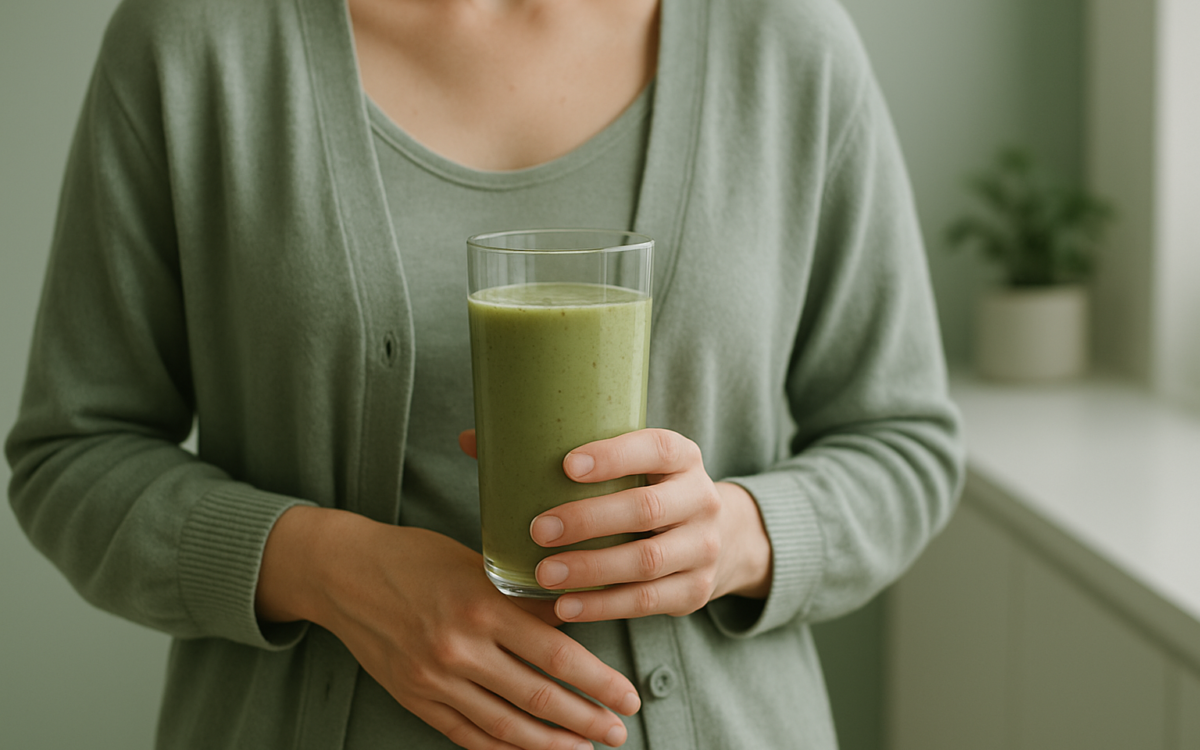
When it comes to our digestive health, a smooth move can significantly impact our overall wellbeing. Most people might not consider their bowel movements until they encounter issues, but understanding what contributes to healthy digestion is essential. In this article, we’ll explore how your diet, hydration, and lifestyle choices can help you achieve those smooth, regular bowel movements.
The Importance of a Smooth Move
A smooth bowel movement is not just a matter of comfort; it plays a vital role in your health. Regular bowel movements help remove toxins from your body, maintain a healthy gut ecosystem, and prevent several gastrointestinal issues. According to the National Institutes of Health, a bowel movement frequency can vary widely, but most people should aim for at least three times a week to three times a day.
Factors Influencing Bowel Movements
Several factors can impact how smoothly your digestive system operates. Paying attention to these aspects can help manage your bowel health effectively.
Dietary Fiber: The Key Ingredient
Fiber is a critical component of a healthy diet and is essential for maintaining smooth bowel movements. There are two types of dietary fiber: soluble and insoluble. Soluble fiber, found in foods like oats, beans, and fruits, helps regulate digestion by absorbing water and forming a gel-like substance in the gut. Insoluble fiber, found in whole grains and vegetables, adds bulk to your stool, promoting movement through the intestines.
The Mayo Clinic recommends adults consume about 25-30 grams of fiber daily for optimum digestive health. Incorporating more fruits, vegetables, legumes, and whole grains into your meals is an excellent way to boost your fiber intake.
Staying Hydrated
Dehydration can lead to hard stools and constipation, making it harder to have a smooth bowel movement. Water helps dissolve nutrients and fiber, making it easier for them to pass through your digestive system. Aim to drink at least 8 cups (about 2 liters) of water a day. If you are physically active or live in a hot climate, you may need even more.
Additionally, foods with high water content, like cucumbers, oranges, and watermelon, also contribute to your hydration and support healthy digestion.
Lifestyle Choices that Promote Digestive Health
In addition to dietary choices, certain lifestyle habits can help maintain healthy digestion and promote smooth bowel movements.
Regular Exercise
Physical activity is beneficial for digestion. When you exercise, you stimulate your digestive tract, promoting regular bowel movements. Aim for at least 30 minutes of moderate physical activity most days of the week. Simple activities like walking, swimming, or biking can improve gut motility and support digestive health.
Listening to Your Body
Pay attention to your body’s cues. If you feel the urge to go, don’t delay. Waiting too long can lead to constipation. Moreover, establishing a regular bathroom routine can help signal your body and promote consistency. It’s beneficial to implement relaxation techniques or set aside time for a bowel movement to help your body regulate better.
Common Digestive Issues and Their Prevention
Despite our best efforts, digestive issues can still arise. Here are a few common problems and tips on how to prevent them.
Constipation
Constipation occurs when you have fewer than three bowel movements per week or when stools are hard and difficult to pass. It can be caused by a lack of fiber, dehydration, or inactivity. To prevent constipation, increase your fiber and water intake and stay active.
Diarrhea
Diarrhea is characterized by frequent, watery stools and can be caused by infections, medication, or dietary changes. While it’s often a temporary issue, staying hydrated is crucial during episodes of diarrhea to replace lost fluids.
Irritable Bowel Syndrome (IBS)
IBS is a common condition that affects the large intestine and can cause cramping, bloating, gas, and alternating bouts of constipation and diarrhea. Stress management techniques, a balanced diet, and regular exercise can help alleviate symptoms. If symptoms persist, consulting a healthcare professional is advisable.
When to See a Doctor
While occasional digestive discomfort is common, certain symptoms warrant medical attention. Consult with a healthcare provider if you experience:
- Severe abdominal pain
- Blood in your stool
- Prolonged constipation or diarrhea lasting more than a few days
- Unintentional weight loss
- Persistent bloating or gas
These symptoms may indicate an underlying health condition that requires further evaluation.
Conclusion
Maintaining a smooth move is about more than just digestion; it’s about overall health and wellbeing. By focusing on a balanced diet rich in fiber, staying hydrated, and leading an active lifestyle, you can support your digestive system and enjoy healthy bowel movements. Remember, if you experience significant issues, always consult your doctor for personalized guidance and care.
