
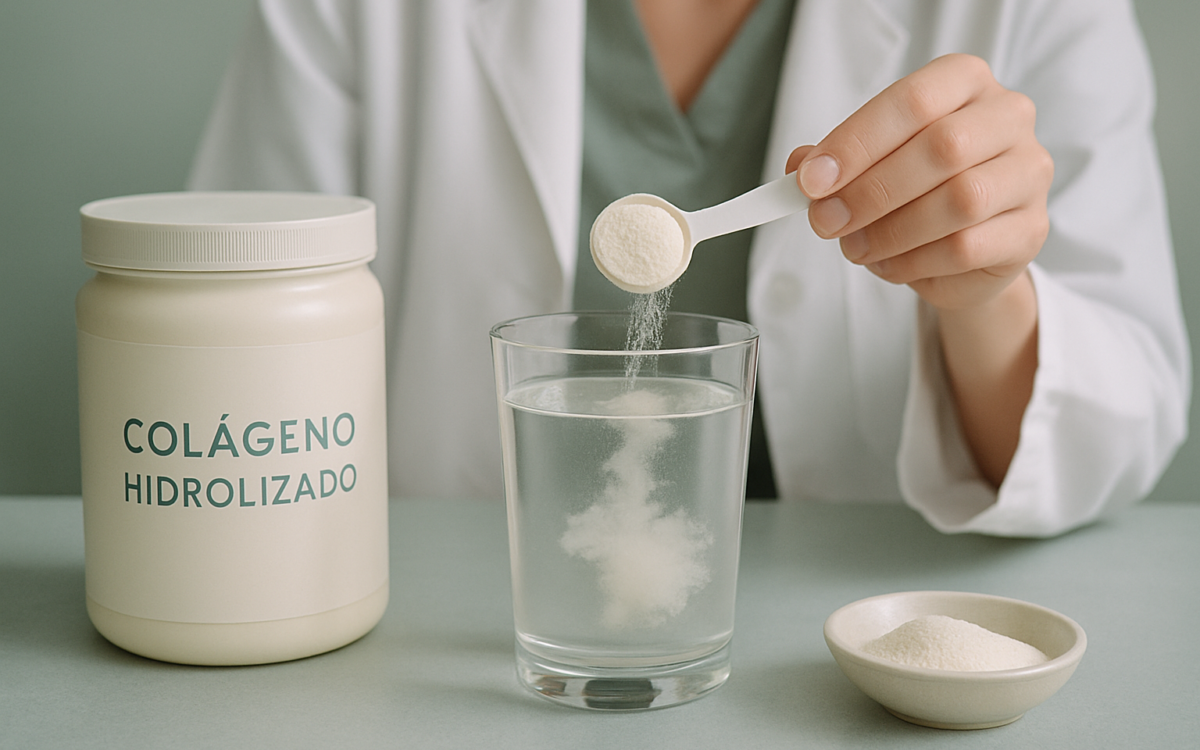
Collagen is a vital protein found in our bodies, contributing to skin elasticity, joint health, and overall vitality. With age, our body’s collagen production naturally declines, leading many people to explore options like colageno hidrogenado (hydrolized collagen) as a supplement. This article dives into the benefits, sources, and considerations surrounding hydrolized collagen.
What is Hydrolized Collagen?
Hydrolized collagen is simply collagen that has been broken down into smaller peptides through a process called hydrolysis. This makes it easier for your body to absorb and utilize. Collagen itself is a natural protein found in connective tissues, skin, bones, and muscles, providing structure and support.
Health Benefits of Hydrolized Collagen
Incorporating hydrolized collagen into your diet can offer several potential health benefits:
- Improved Skin Health: Several studies have suggested that hydrolized collagen might enhance skin hydration, elasticity, and overall appearance. Regular consumption may help reduce wrinkles and dryness, making your skin look more youthful (NIH).
- Joint Support: Collagen can support joint health and reduce symptoms of osteoarthritis. Studies indicate that consuming collagen may help maintain cartilage, thus improving joint comfort (NIH).
- Bone Strength: Collagen supplements may positively affect bone mineral density and overall bone health, especially in postmenopausal women (NIH).
- Muscle Mass: For those looking to maintain or increase muscle mass, hydrolized collagen may support muscle strength and recovery when combined with exercise (PubMed).
Sources of Hydrolized Collagen
You can find hydrolized collagen in various forms, including powders, capsules, and ready-to-drink supplements. It is often derived from animal sources, such as:
- Cattle: Bovine collagen is one of the most common sources.
- Pork: Succinylated collagen comes from pig skins.
- Fish: Marine collagen is gaining popularity due to its supposed higher bioavailability.
Additionally, some plant-based options are available, though they may not provide collagen directly. Instead, they might include nutrients that help your body produce its own collagen, such as vitamin C and certain amino acids.
How to Incorporate Hydrolized Collagen into Your Diet
There are many easy ways to add hydrolized collagen to your daily routine:
- Smoothies: Blend collagen powder into your favorite smoothies for a protein boost.
- Soups and Broths: Add collagen powder to soups, stews, or broths for a nutritious enhancement.
- Baked Goods: Collagen can be included in baking recipes, such as muffins and pancakes.
- Coffee or Tea: Stir collagen powder into your morning beverage for easy incorporation.
Finding the right dose can depend on the product, but many studies suggest a typical range of 10-20 grams per day for noticeable benefits.
Potential Side Effects and Considerations
While hydrolized collagen is generally considered safe, some individuals may experience mild side effects, including:
- digestive issues
- allergic reactions (especially if derived from fish or other allergens)
- unpleasant taste in some powders
As with any supplement, it is crucial to consult with your healthcare provider before starting hydrolized collagen, especially if you have allergies or underlying health conditions.
When to See a Doctor
If you experience unusual symptoms after starting a collagen supplement, such as persistent digestive discomfort, skin reactions, or other concerning side effects, it is important to seek medical advice. Consulting your doctor can help determine if the supplement is appropriate for you based on your health history and needs.
Conclusion
Hydrolized collagen presents a promising option for those seeking to improve skin health, support joints, and maintain overall wellness. By understanding its benefits, potential sources, and incorporation methods, you can make informed decisions about adding this supplement to your diet. Always remember to discuss significant changes to your health regimen with your healthcare provider.
