
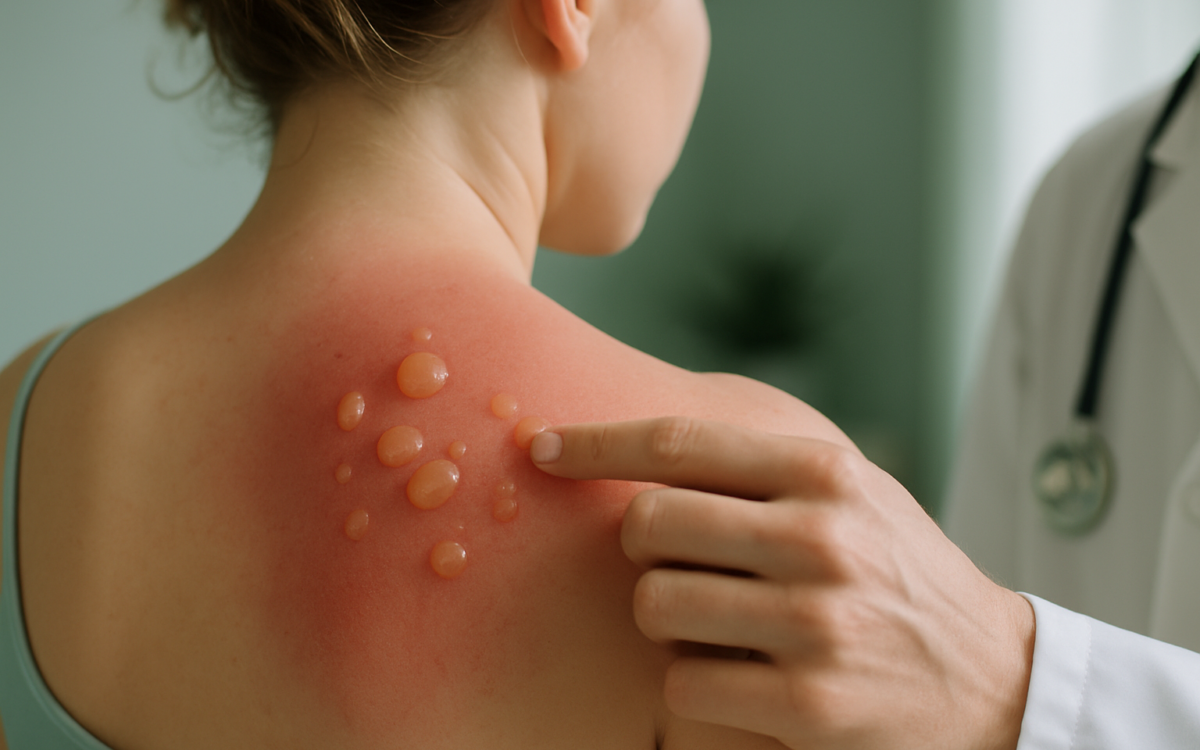
As summer sun beckons, outdoor activities become irresistible. However, spending too much time in the sun can lead to an unfortunate consequence: sun blisters. These painful skin irritations remind us of the importance of sun safety. In this article, we will explore what sun blisters are, their causes, symptoms, ways to prevent them, and effective treatment options.
What Are Sun Blisters?
Sun blisters are fluid-filled sacs that develop on the skin following severe sunburn. When your skin is overexposed to ultraviolet (UV) rays, the protective layer can become damaged, leading to the formation of blisters. These blisters are the body’s way of protecting the underlying tissue by creating a barrier against further injury.
Causes of Sun Blisters
The primary cause of sun blisters is intense sun exposure, especially on unprotected skin. The following factors can increase your risk:
- Extended Sun Exposure: Spending prolonged periods in the sun without adequate protection can lead to burns and blisters.
- Fair Skin: Individuals with lighter skin tones are more susceptible to sun damage due to lower levels of melanin, which provides some natural protection against UV rays.
- High UV Index: On days when the UV index is high, even short periods in the sun can lead to skin damage.
- Hot or Humid Conditions: These conditions can amplify the effects of UV exposure, making blisters more likely to form.
Symptoms of Sun Blisters
Identifying sun blisters can help you react promptly to the symptoms. Common signs include:
- Redness: The area surrounding the blisters may appear red and inflamed.
- Swelling: Affected skin can become swollen and tender to the touch.
- Pain or Discomfort: Sun blisters can be painful, especially if pressure is applied to them.
- Fluid-Filled Sacs: The blisters themselves are typically filled with clear fluid.
Preventing Sun Blisters
Prevention is always better than treatment. Here are some key strategies to protect your skin:
- Use Broad-Spectrum Sunscreen: Apply sunscreen with at least SPF 30 to all exposed skin. Remember to reapply every two hours, especially after swimming or sweating. Learn more about proper sunscreen use from the CDC.
- Avoid Peak Sun Hours: The sun’s rays are strongest between 10 AM and 4 PM. Try to limit outdoor activities during this window.
- Wear Protective Clothing: Long-sleeve shirts, wide-brimmed hats, and UV-protective sunglasses can offer effective protection.
- Seek Shade: When outdoors, try to stay under an umbrella or tree, especially during peak sun hours.
- Stay Hydrated: Drinking plenty of water helps your skin stay healthy and increases its resilience against sun damage.
Treating Sun Blisters
If you do develop sun blisters, it’s important to treat them properly to avoid complications:
- Do Not Pop Blisters: Popping a blister can lead to infection. Allow it to heal naturally.
- Cool Compresses: Applying a cool, moist cloth to the burned area can reduce swelling and alleviate pain.
- Use Aloe Vera: Applying aloe vera gel to the affected area can soothe the skin and promote healing.
- Take Pain Relievers: Over-the-counter pain relief, such as ibuprofen or acetaminophen, can help manage discomfort.
- Keep the Area Clean: Wash the blisters gently with mild soap and water to prevent infection.
When to See a Doctor
Most sun blisters will heal on their own, but you should consult a healthcare provider if you experience any of the following:
- The blisters are widespread or cover a large area.
- You develop fever or chills.
- You notice signs of infection, such as increased redness, swelling, or pus.
- The pain becomes unmanageable or persistent.
Conclusion
Sun blisters can be an uncomfortable reminder of sun exposure, but with the right knowledge and preventive measures, you can enjoy the outdoors safely. Be proactive about protecting your skin, and remember that when it comes to sun safety, a little caution can go a long way. For more information on skin care and sun safety, visit reputable sources like the World Health Organization or Mayo Clinic.
