
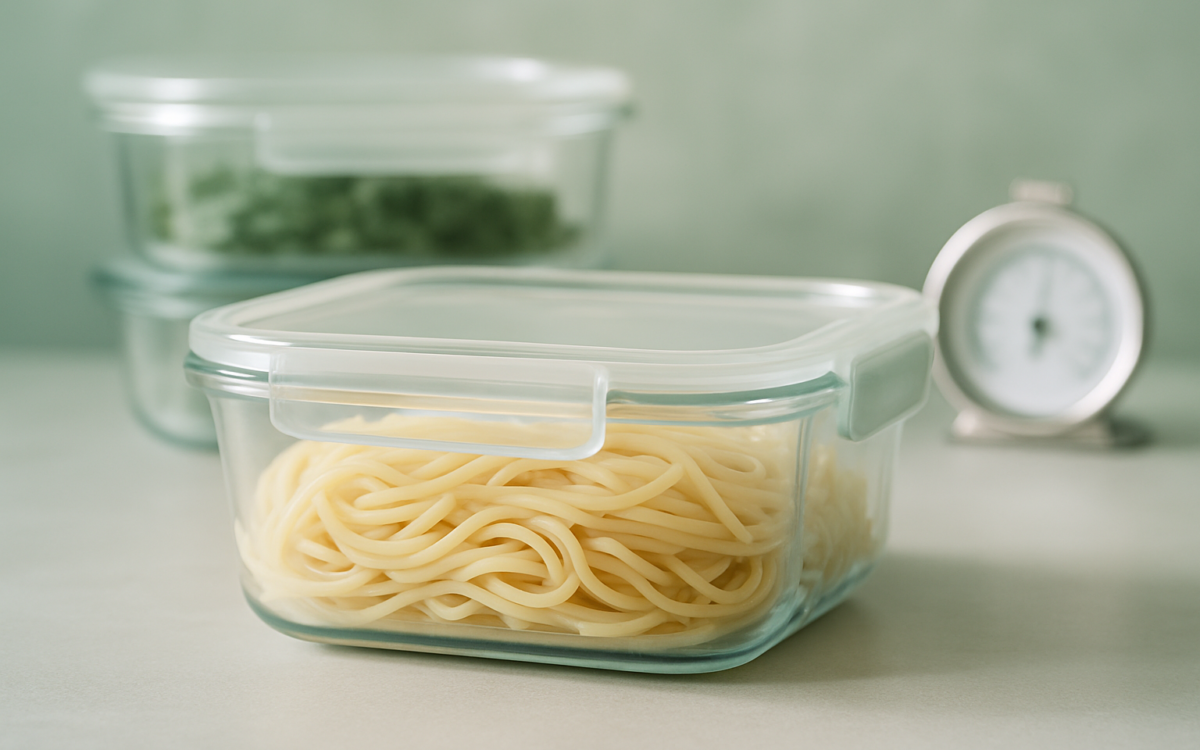
Whether you’re enjoying spaghetti, macaroni, or a zesty penne dish, pasta is a beloved staple in many households. But once that delicious plate has been served, how do you safely store any leftovers? Knowing how long pasta lasts in the fridge is key to preventing food waste and ensuring you don’t encounter foodborne illnesses. In this article, we’ll explore the shelf life of both cooked and uncooked pasta, storage tips, signs of spoilage, and important food safety practices.
The Basics of Pasta Shelf Life
Pasta comes in two forms: dry and cooked. The shelf life of each type varies significantly. Uncooked, dry pasta has a long shelf life and can last for several years when stored in a cool, dark place. However, once you cook your pasta, its lifespan dramatically changes.
How Long Can You Keep Cooked Pasta in the Fridge?
Cooked pasta can typically be stored in the refrigerator for about 3 to 5 days. The key to maximizing its freshness lies in how you store it:
- Cool it Quickly: Once your pasta is cooked, let it cool at room temperature for a maximum of two hours before refrigerating.
- Use Airtight Containers: Store the pasta in airtight containers or resealable plastic bags to maintain its moisture and prevent contamination.
- Labeling: If you’re batch cooking, label the containers with the cooking date to track freshness easily.
According to the Mayo Clinic, proper storage can help prolong the edibility of your food while reducing the risk of spoilage.
Uncooked Pasta: The Longevity Champion
Uncooked pasta, such as spaghetti or penne, can last indefinitely in the pantry if stored correctly. However, for best quality, it’s recommended to use it within 1 to 2 years. Check the package for specific expiration dates.
To keep dry pasta fresh:
- Store in a Cool Place: Find a cool, dry spot in your kitchen, away from heat sources and moisture.
- Keep in Original Packaging: If possible, keep it in the original packaging until you’re ready to use it.
- Use an Airtight Container: If you’ve opened the package, transfer unused pasta to an airtight container.
Signs Your Pasta Has Gone Bad
Knowing how long pasta lasts is essential, but recognizing when it’s spoiled is just as crucial for your safety:
Cooked Pasta
- Off Smell: If the pasta smells sour or otherwise off, it’s best to discard it.
- Texture Changes: If it becomes excessively slimy or mushy, those are signs of spoilage.
- Mold: Any visible mold or discoloration indicates that it should be thrown away.
Uncooked Pasta
- Discoloration: If your pasta appears discolored or has a chalky residue, it’s time to toss it out.
- Insect Infestation: Look for tiny bugs or eggs within the packaging. If you see any, discard the entire package.
- Unpleasant Smell: A rancid smell from the package indicates that the oils in the pasta have gone bad.
When in doubt, it’s always safer to throw it out. The risk of foodborne illness is not worth it. The CDC emphasizes the significance of food safety practices to avoid potential health hazards.
Freezing Pasta: A Solution for Longer Storage
If you want to keep cooked pasta for more than a few days, consider freezing it. Freezing can extend the shelf life of cooked pasta up to 2 months while maintaining its taste and texture if done correctly.
Here’s how to freeze pasta properly:
- Cool First: Make sure the pasta is completely cool before freezing it to prevent icy clumps.
- Portion Control: Divide the pasta into served-sized portions. This way, you only need to thaw what you plan to eat at once.
- Freezer-Safe Containers: Use freezer-safe bags or containers to store the pasta, squeezing out as much air as possible to prevent freezer burn.
- Label: Don’t forget to label the containers with the freezing date.
When you’re ready to eat your frozen pasta, simply reheat it gently in a saucepan or microwave. Adding a little sauce or water can help revive its texture.
Reheating Cooked Pasta Safely
When reheating your cooked pasta, safety is key. Make sure to heat it to at least 165°F to kill any potential bacteria. Here are some reheating methods:
- Stovetop: Add a splash of water to the pasta in a saucepan over medium heat. Stir gently until heated through.
- Microwave: Place pasta in a microwave-safe container, add some water or sauce, and cover. Heat in intervals, stirring occasionally until warmed.
- Oven: For oven baking, cover the pasta with foil to retain moisture and heat it thoroughly.
Avoid reheating pasta more than once, as repeated heating increases the risk of foodborne illness.
When to See a Doctor
If you suspect you have consumed spoiled pasta and experience signs of food poisoning such as severe abdominal pain, vomiting, or diarrhea, consult your healthcare provider. It’s crucial to prioritize your health in such situations.
Next time you’re faced with leftover pasta, you’ll know exactly how long it lasts in the fridge and how to store it properly. Enjoy your meals without the worry of waste or safety!
