
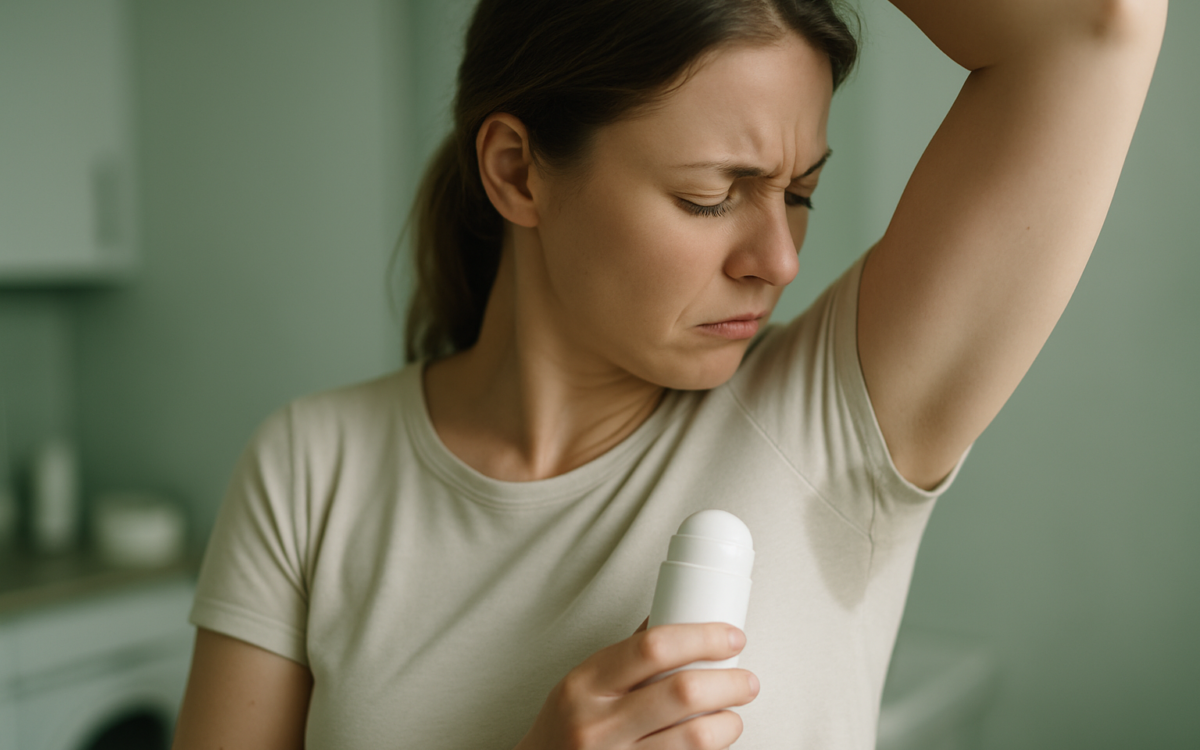
Have you ever wondered why, despite showering regularly and maintaining good hygiene, you still sometimes notice an unpleasant smell? You’re not alone. Many people experience this frustrating issue. Understanding the root causes can help you manage these odors and feel your best.
Understanding Body Odor
Body odor is a natural occurrence resulting from the interaction of sweat with bacteria on our skin. Sweat itself is mostly odorless, but when it mixes with skin bacteria, it can produce various smells. While good hygiene can minimize odor, other factors come into play.
Factors Affecting Body Odor
Several elements can contribute to body odor, even if you practice diligent hygiene. Here are a few to consider:
- Genetics: Your genetic makeup plays a role in how your body produces sweat. Some people naturally have more active sweat glands than others, leading to increased body odor.
- Diet: What you eat significantly influences your body odor. Foods like garlic, onions, and spicy items can emit strong odors when metabolized. Additionally, consuming alcohol can lead to changes in body scent.
- Hormones: Hormonal changes, particularly during puberty, menstruation, or menopause, can lead to fluctuations in body odor. These changes can increase sweat production and affect the types of odors you emit.
Medical Conditions That Can Cause Odor
Sometimes, persistent body odor can point to underlying medical issues. Here are a few conditions that may affect how you smell:
- Hyperhidrosis: This condition involves excessive sweating, which can lead to stronger body odor.
- Diabetes: Poorly managed diabetes can result in a sweet or fruity odor, often caused by high levels of ketones in the blood.
- Liver or Kidney Disease: These conditions can lead to an accumulation of toxins in the body, which can result in unusual body smells.
- Trimethylaminuria: Also known as fish odor syndrome, this rare genetic disorder causes the body to produce a fishy odor due to the inability to break down certain chemicals.
Environmental Influences on Body Odor
In addition to genetics and medical conditions, your environment also impacts your body odor. Factors include:
- Climate: Hot, humid weather can increase sweating and odor production.
- Clothing: The materials you wear can trap sweat and odor. Fabrics made from synthetic materials can exacerbate the problem compared to breathable cotton.
- Stress: Stress activates your sweat glands, particularly those responsible for emotional sweating, which is often produced in high-stress situations.
International Patient Services and Body Odor Treatment
If you’re struggling with persistent body odor, seeking advice from experts might be beneficial. International patient services can provide access to specialists who understand the cultural and environmental factors affecting body odor globally. They can help identify specific causes and recommend targeted treatments that address both hygiene practices and medical issues.
Managing Body Odor
While some factors affecting body odor may be beyond your control, several strategies can help you manage and minimize unpleasant smells:
- Regular Showering: Showering daily and using antibacterial soap can help reduce the bacteria on your skin.
- Use Antiperspirants: Look for clinical-strength antiperspirants that can help block sweat glands.
- Wear Breathable Fabrics: Choose clothing made from natural fibers like cotton that allows your skin to breathe.
- Dietary Adjustments: Consider modifying your diet to reduce foods that may contribute to strong body odor.
When to See a Doctor
If you’ve tried various remedies and your body odor persists, it may be time to consult a healthcare professional. They can help identify any potential underlying medical conditions and suggest appropriate treatments. If your body odor changes suddenly or becomes distinctly stronger, this may indicate a health issue that requires attention.
Understanding why you may smell bad, even with good hygiene practices, can be an essential part of improving your confidence and comfort. It’s important to explore the many factors that can contribute to body odor and seek help when necessary.
