
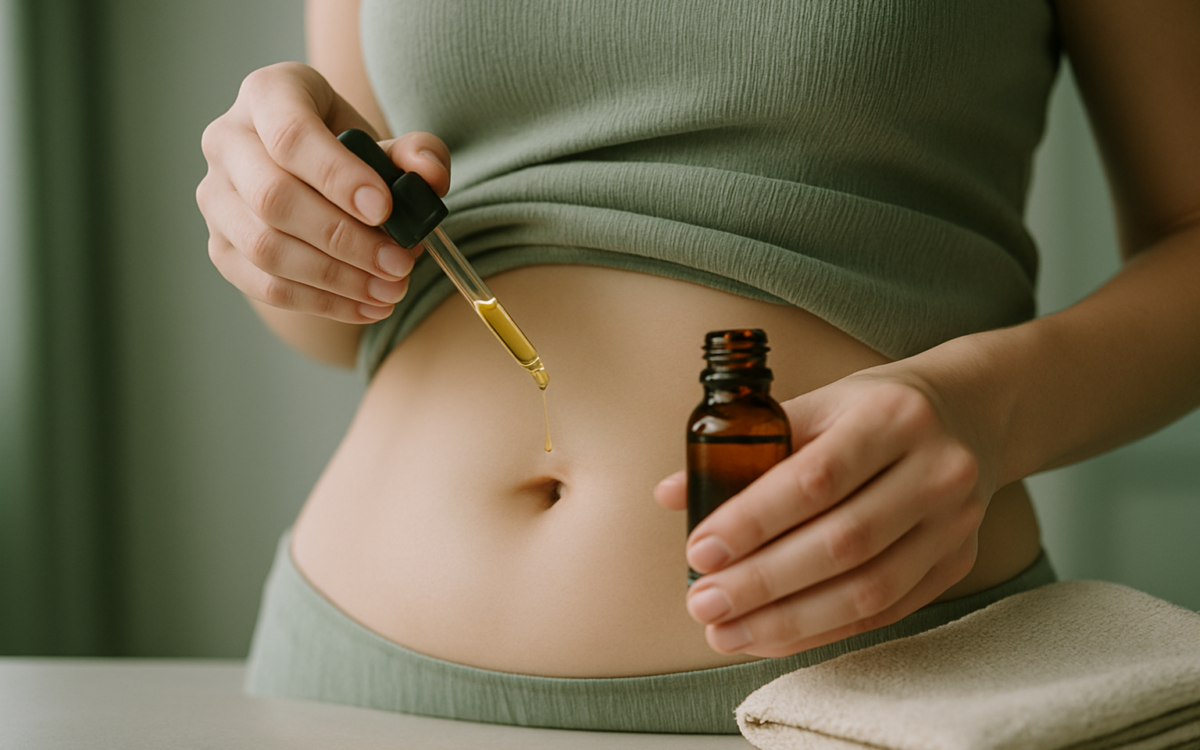
Castor oil has been a go-to remedy for generations, cherished for its many benefits. While you might be familiar with its use for hair and skin care, you may not know that applying castor oil in your belly button is becoming a popular natural health trend. Curious about how this humble oil can work its magic when applied to your navel? Read on to uncover the various benefits and uses, as well as any potential considerations.
What Is Castor Oil?
Castor oil is derived from the seeds of the castor oil plant, scientifically known as Ricinus communis. This oil is rich in ricinoleic acid, a fatty acid known for its anti-inflammatory and antimicrobial properties. The oil is thick and has a unique odor, making it distinct from other oils like olive or coconut. Historically, castor oil has been used in traditional medicine for everything from treating constipation to aiding wound healing. It’s also a staple in beauty products due to its moisturizing qualities.
Why Use Castor Oil on Your Belly Button?
The belly button, or navel, is a fascinating area of the body that some alternative medicine practitioners consider a potential gateway for beneficial effects. Applying castor oil here is believed to offer a range of benefits:
- Hydration: Since castor oil is an excellent moisturizer, applying it to the belly button may help hydrate the skin and improve its elasticity.
- Digestive health: Some proponents suggest that castor oil can promote better digestion when absorbed through the skin. This application is thought to target the digestive organs.
- Detoxification: Castor oil is believed to support detoxification processes in the body, with some people using it to potentially promote liver health.
- Menstrual relief: Some women use castor oil near the abdominal area to alleviate menstrual discomfort, believing it may help reduce cramping.
How to Apply Castor Oil to Your Belly Button
If you’re interested in trying this method, here are simple steps to follow:
- Choose high-quality castor oil: Ensure you select cold-pressed, organic castor oil.
- Clean the area: Gently clean your belly button area with mild soap and water. Pat dry.
- Apply the oil: Using a cotton swab or your finger, apply a small amount of castor oil in and around your belly button.
- Let it absorb: Allow the oil to remain for several hours or overnight to let it soak into the skin.
- Wipe excess oil: After the application time, use a soft cloth to wipe away any excess oil.
Benefits of Using Castor Oil on the Skin
Aside from its potential digestive advantages, castor oil can offer several benefits for the skin when applied topically:
- Moisturizing: Castor oil is an effective natural moisturizer that can enhance hydration, keeping skin soft.
- Anti-inflammatory properties: It may help reduce redness and swelling, making it beneficial for minor skin irritations.
- Antimicrobial effects: Castor oil’s ability to fight bacteria and fungi can assist in preventing infections.
Potential Risks and Precautions
While castor oil is generally safe for most people, it’s essential to consider some precautions:
- Allergic reactions: Some individuals may experience skin irritation or allergic reactions. Consider doing a patch test on a small area of skin before full application.
- Not for everyone: Pregnant women should avoid using castor oil, especially internally, as it can stimulate uterine contractions.
- Medical conditions: Individuals with certain health conditions should consult a healthcare provider before using castor oil to determine suitability.
What Does Science Say?
While anecdotal evidence supports the use of castor oil for various benefits, scientific research is still limited. Research has documented some of the oil’s properties, such as its anti-inflammatory effects, but more studies are needed to understand fully and validate many of the claimed benefits. For more information, you can explore resources such as the National Library of Medicine and the Mayo Clinic, which provide trustworthy insights into natural remedies and their uses.
When to See a Doctor
If you experience any adverse reactions after using castor oil, such as severe itching, redness, or swelling, it’s important to consult a medical professional. Additionally, if you’re considering using it for a specific health issue, especially related to digestion or menstruation, discussing any plans with your healthcare provider is wise. This ensures that you receive personalized advice that takes your health history into account.
In conclusion, castor oil’s application to the belly button presents an interesting natural remedy worth exploring for its potential benefits. While it may not be a cure-all, many people find it offers skincare advantages and complements their overall wellness routine. As with any health trend, it’s best to remain informed, exercise caution, and consult with healthcare providers as needed.
