
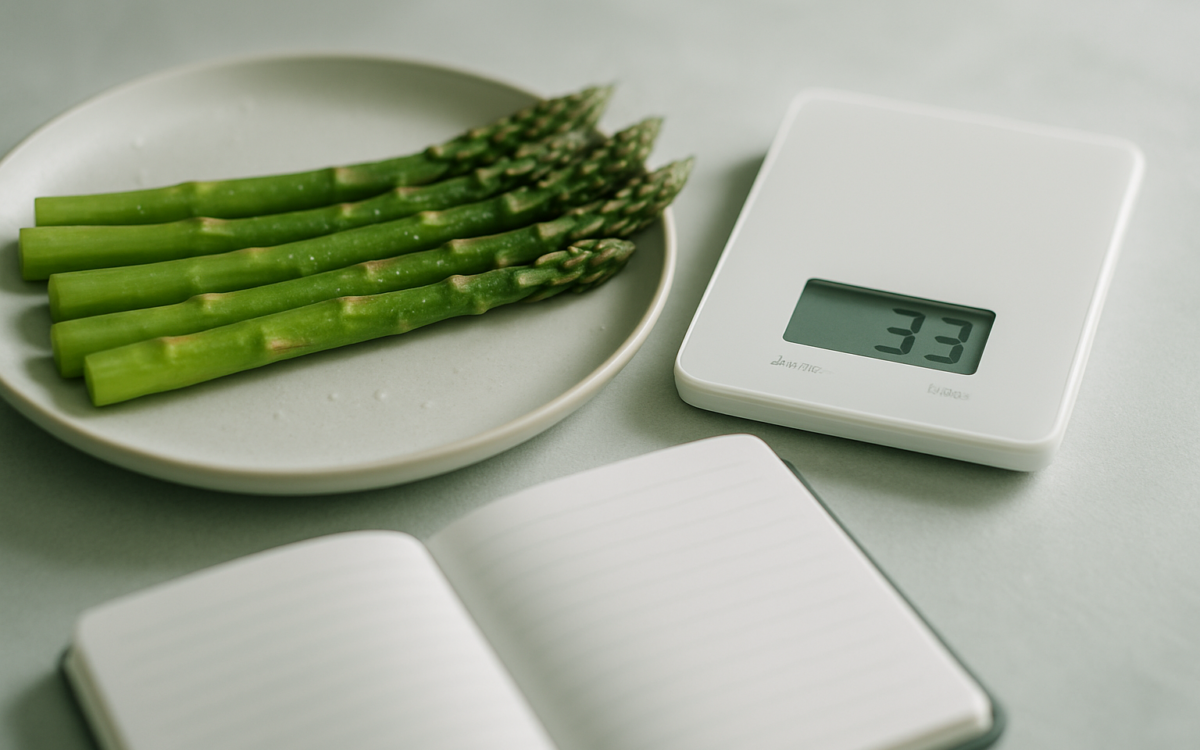
Asparagus is a popular vegetable known for its unique taste and vibrant green color. Not only is it a delicious addition to a variety of dishes, but it’s also a powerhouse of nutrients. If you’re watching your calorie intake or simply want to make healthier eating choices, understanding the calorie content of asparagus can be incredibly beneficial.
How Many Calories Are in Asparagus?
Asparagus is low in calories, making it a fantastic choice for those looking to maintain or lose weight. One cup of raw asparagus contains about 27 calories, while a cooked cup has roughly 40 calories, depending on the cooking method. This makes asparagus an excellent choice for anyone aiming to reduce calorie consumption without sacrificing flavor.
Nutritional Profile of Asparagus
In addition to being low in calories, asparagus is rich in essential vitamins and minerals:
- Fiber: Helps with digestion and keeps you feeling full.
- Vitamin K: Supports bone health and blood clotting.
- Folate: Vital for cell division and helps prevent certain birth defects.
- Vitamin A: Important for vision and immune function.
- Vitamin C: An antioxidant that enhances the immune system.
This combination makes asparagus not only a low-calorie food but also a nutrient-dense option that supports overall health.
Health Benefits of Asparagus
Incorporating asparagus into your diet can yield several health benefits. Research indicates that the antioxidants found in asparagus can help reduce inflammation and combat oxidative stress in the body. A study published in the NIH highlighted how asparagus contains phytochemicals that may act as anti-cancer agents.
Moreover, asparagus is known for its natural diuretic properties, which can help your body flush out excess fluid. This diuretic effect can be beneficial for those with high blood pressure or those who are prone to water retention.
How to Incorporate Asparagus into Your Diet
Asparagus can be enjoyed in various ways. Here are some ideas:
- Steamed or Boiled: A simple way to retain its nutrients and flavor.
- Grilled or Roasted: Adds a smoky flavor and makes for a tasty side dish.
- In Salads: Chopped raw asparagus can add a delightful crunch to salads.
- Soups and Stir-fries: Asparagus can be easily integrated into many cooked dishes.
If you’re interested in exploring international treatments or culinary approaches to asparagus, check out acibademinternational.com, which provides insights into healthy eating habits across cultures.
Possible Allergies and Side Effects
Despite its many benefits, some individuals may be allergic to asparagus. Symptoms can include itching, hives, or digestive issues. Additionally, asparagus contains a compound called asparagine, which may cause a somewhat strong odor in urine after consumption. This is completely normal and harmless.
Conclusion
The calorie content of asparagus, paired with its myriad of health benefits, makes it an ideal ingredient for any diet. By including asparagus in your meals, you can enjoy delicious food while nourishing your body. As always, if you have concerns about allergies or how to best incorporate asparagus into your diet, consult with a healthcare professional.
When to See a Doctor
If you experience any unusual symptoms after consuming asparagus, such as severe allergic reactions, abdominal pain, or persistent digestive issues, it’s advisable to seek medical attention. Consulting a healthcare provider can help you understand your symptoms and receive appropriate advice.
