
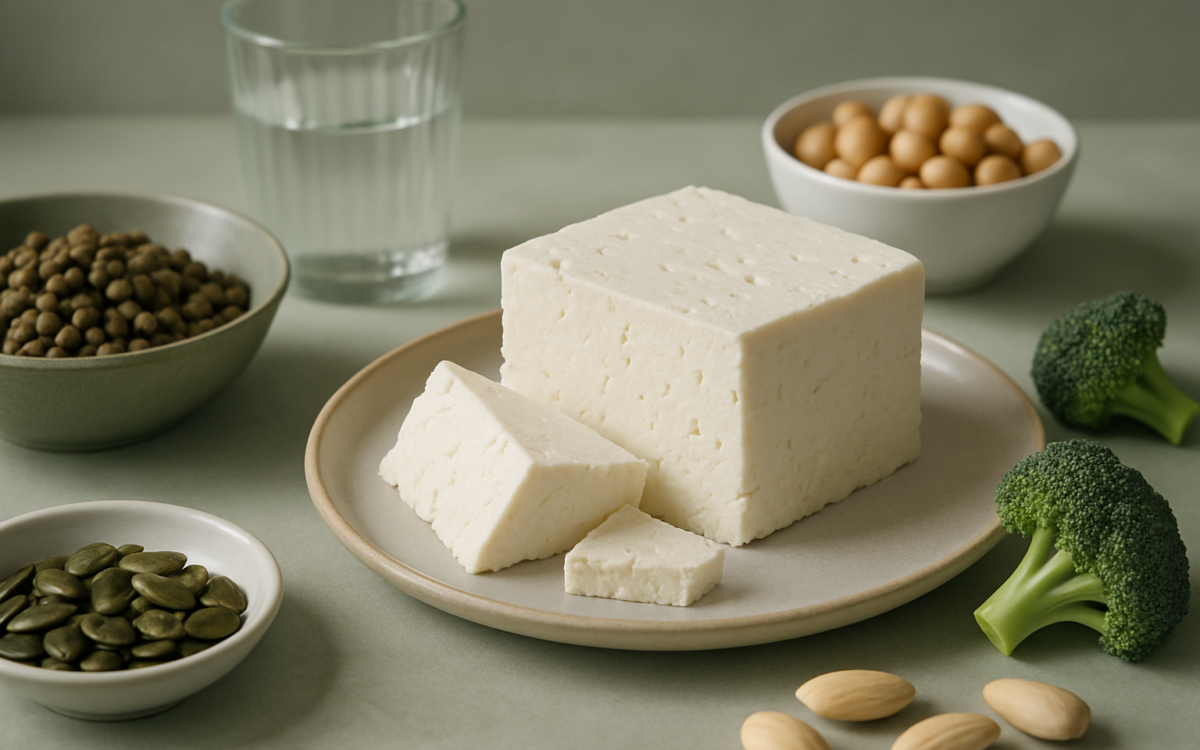
Feta cheese, with its crumbly texture and tangy flavor, is a beloved ingredient in salads, pastas, and Mediterranean dishes. Beyond its delicious taste, feta offers various nutritional benefits that can enhance your diet. In this article, we’ll take a closer look at feta cheese nutrition facts, including its calorie content, macronutrients, vitamins, and its potential health benefits.
What is feta cheese?
Originating from Greece, feta cheese is a brined curd cheese traditionally made from sheep’s milk or a mixture of sheep and goat’s milk. Its unique texture and taste make it a staple in many Mediterranean diets. Feta can be enjoyed in various recipes, making it a versatile choice in the kitchen.
Nutritional profile of feta cheese
Let’s break down the nutritional facts of feta cheese, focusing on a typical serving size of 1 ounce (28 grams):
- Calories: Approximately 75 calories
- Protein: About 4 grams
- Fat: Roughly 6 grams
- Carbohydrates: Less than 1 gram
- Sodium: Approximately 320 mg
- Calcium: Around 14% of the daily value
- Vitamin B12: Important for nerve function and red blood cell formation
- Phosphorus: Essential for strong bones and teeth
- Riboflavin: Important for energy production
This nutritional breakdown shows that feta cheese is relatively low in calories while providing a good source of protein and essential nutrients.
Health benefits of feta cheese
Incorporating feta cheese into your diet can offer several health advantages:
Rich in nutrients
Feta cheese is a good source of essential nutrients, including calcium and phosphorus, which support bone health. Calcium is vital for maintaining healthy bones and teeth, while phosphorus plays a role in energy metabolism and helps the body utilize carbohydrates and fats.
Source of high-quality protein
Protein is crucial for the body’s growth and repair. Feta cheese contains high-quality protein that helps in muscle maintenance and supports overall health. Incorporating protein-rich foods can aid feelings of fullness and help with weight management.
Low in carbohydrates
For those following a low-carbohydrate diet, feta cheese is an excellent choice. It contains minimal carbohydrates, making it a suitable option for individuals looking to reduce their carb intake.
May support heart health
Although feta cheese can be high in sodium, when consumed in moderation, it can be part of a heart-healthy diet. Studies have shown that Mediterranean diets, which often include feta cheese, are beneficial for heart health. They emphasize fruits, vegetables, whole grains, and healthy fats, which can help lower the risk of cardiovascular disease (source).
How to include feta cheese in your diet
Here are some tasty ways to incorporate feta cheese into your meals:
- Salads: Crumble feta cheese over mixed green salads to add flavor and texture.
- Pasta dishes: Toss feta into warm pasta dishes for a creamy element.
- Vegetable dishes: Sprinkle on roasted vegetables or mix into veggie sautés.
- Wraps and sandwiches: Add feta to wraps or sandwiches for an extra flavor kick.
- Omelettes: Mix feta cheese into scrambled eggs or omelettes for a nutritious breakfast.
Feta cheese enhances the flavor of many dishes while contributing to their overall nutritional value.
Possible concerns with feta cheese
While feta cheese offers various health benefits, it’s essential to be mindful of some concerns:
High sodium content
Feta cheese can be high in sodium due to the brining process, which can pose risks for individuals with high blood pressure or those watching their salt intake. Consider opting for reduced-sodium feta if you are concerned about your sodium consumption.
Lactose intolerance
Those who are lactose intolerant may have difficulty digesting feta cheese, even though it is lower in lactose than many other dairy products. Anyone who experiences discomfort after consuming dairy should consult with a healthcare provider to discuss options.
When to see a doctor
If you have specific dietary restrictions, lactose intolerance, or health concerns related to sodium intake, it’s wise to consult your doctor or a registered dietitian. They can provide personalized advice based on your health needs and dietary preferences.
In conclusion, feta cheese is more than just a flavorful addition to your meals. With its rich nutrient profile, moderate calorie content, and versatility in recipes, it can be a delicious and healthful part of your diet. Enjoy feta cheese in moderation as part of a balanced diet, and reap its benefits as you savor its unique taste.
