
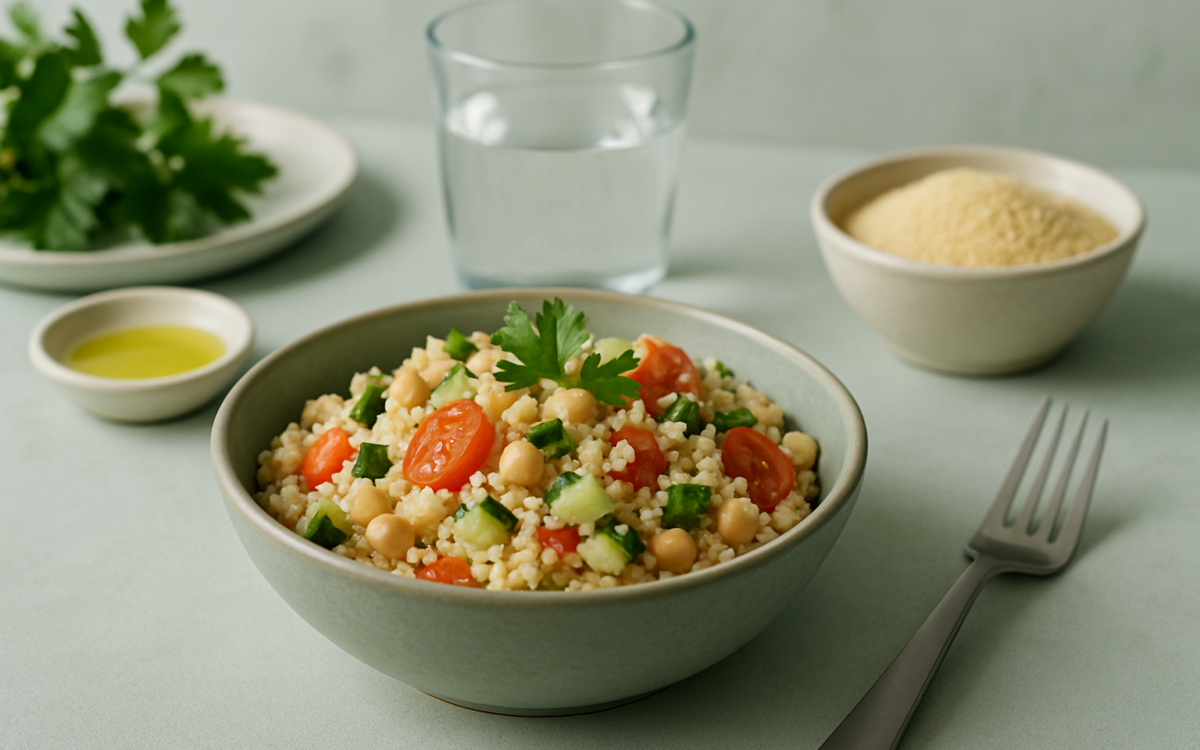
Couscous often comes to mind when thinking of hearty, fulfilling grains. Originating from North Africa, this tiny pasta made from semolina wheat is popular in a variety of cultures and cuisines. While it’s frequently considered a side dish, couscous deserves the spotlight for its impressive nutritional profile and versatility in meals. Let’s dive into what makes couscous a healthy choice for your diet.
Nutritional Profile of Couscous
Couscous is primarily made from semolina, which is derived from durum wheat. One cup of cooked couscous (approximately 157 grams) typically contains:
- Calories: 176
- Protein: 6 grams
- Carbohydrates: 36 grams
- Fiber: 2 grams
- Fat: 0.3 grams
Additionally, couscous is a source of several vitamins and minerals:
- Iron: helps in transporting oxygen in the blood
- Vitamin B6: aids in protein metabolism
- Magnesium: supports muscle and nerve function
- Calcium: essential for strong bones
Health Benefits of Couscous
Adding couscous to your meals can offer various health benefits.
1. Good Source of Plant-Based Protein
While couscous is not as high in protein as some grains and legumes, it still provides a decent amount. For those following vegetarian or vegan diets, combining couscous with legumes or vegetables can create a complete protein, making it a nutritious option.
2. Helps with Digestive Health
Couscous contains dietary fiber, which is important for maintaining digestive health. Fiber helps to regulate bowel movements and prevent constipation. Adding fibrous foods like couscous can support a healthy gut and improve overall digestion.
3. Rich in Antioxidants
Whole grains, including couscous, contain antioxidants that can help combat oxidative stress in the body. These antioxidants may reduce the risk of chronic diseases such as heart disease and diabetes by eliminating free radicals.
How to Incorporate Couscous into Your Diet
Couscous is incredibly versatile and can easily fit into a variety of dishes. Here are a few ideas for incorporating it into your meals:
- Salads: Mix cooked, cooled couscous with fresh vegetables, herbs, and a lemon vinaigrette for a light and refreshing salad.
- Soups: Add couscous to soups for extra texture and nutrition. It works particularly well in vegetable or chicken broth soups.
- Main Dishes: Serve couscous alongside grilled meats or vegetables. It makes a great base for Mediterranean-style meals, such as couscous topped with roasted veggies and chickpeas.
For those interested in international health and nutrition options, couscous-based dishes can often be found in hospitals and wellness centers around the globe, including facilities highlighted on acibademinternational.com. This approach showcases how versatile couscous can be in various culinary traditions.
Couscous vs. Other Grains
When considering your grain options, it’s important to differentiate couscous from other popular choices. Quinoa, for instance, is much higher in protein and is a complete protein source, which means it contains all nine essential amino acids. Brown rice, on the other hand, offers more fiber but has slightly fewer proteins. Knowing the pros and cons of different grains can help you choose the best option for your nutritional needs.
Potential Concerns with Couscous
While couscous has many benefits, there are a few considerations to keep in mind:
Gluten Content
Couscous contains gluten, so it is not suitable for those with celiac disease or gluten sensitivity. Alternatives such as quinoa, millet, or gluten-free grains should be considered.
Portion Control
Like all grains, couscous is best enjoyed in moderation. While it is nutritious, it’s important to balance your meals with a variety of foods, including proteins, healthy fats, and plenty of fruits and vegetables.
When to See a Doctor
If you experience any adverse reactions after consuming couscous or have specific dietary restrictions, it’s wise to consult a healthcare professional. This is especially true for individuals managing conditions such as diabetes, high cholesterol, or other chronic illnesses.
Conclusion
In conclusion, couscous is not just a filler on your plate; it’s a nutrient-packed grain that can enhance your meals and provide significant health benefits. With its versatility, it can fit into numerous diets and cuisines. Whether you love it cold in salads or warm alongside your main dish, couscous has something to offer everyone.
