
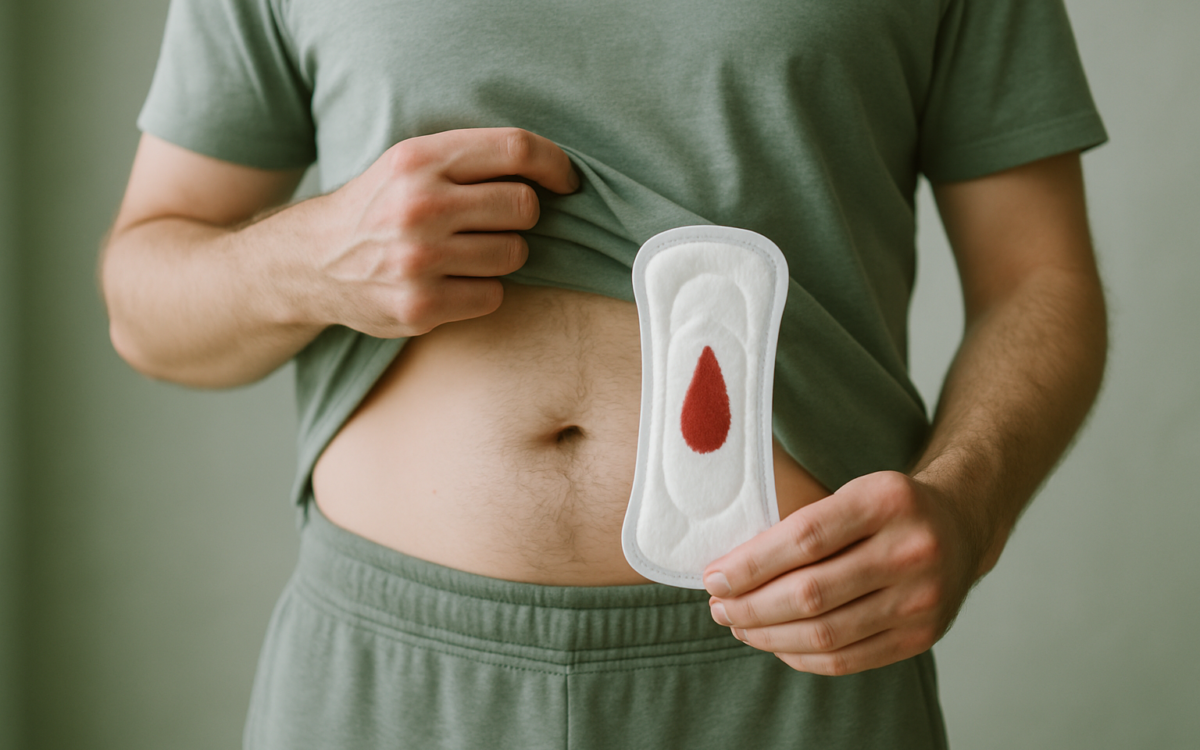
When we think of menstruation, we typically picture it as a cycle that only women experience. However, the concept of a “male period” can be more complex than it appears at first glance. In this article, we’ll explore the factors that can influence physical and emotional changes in men, revealing how hormones play a critical role.
The Basics of Menstruation
Menstruation is a biological process that typically occurs in individuals with a uterus, primarily females, where the body prepares for a potential pregnancy each month. If pregnancy does not occur, the uterine lining sheds, resulting in a menstrual period. This cycle is regulated by a complex interplay of hormones, namely estrogen and progesterone.
Men’s Hormonal Cycles
Although males do not menstruate in the traditional sense, they do have hormonal fluctuations that can cause mood swings, fatigue, and other physical symptoms. Testosterone, the primary male sex hormone, follows a daily rhythm but does not cycle in a monthly pattern like female hormones. Nonetheless, hormonal levels can be influenced by several factors, including stress, lifestyle, and overall health.
Testosterone and Its Effects
Testosterone levels can vary throughout the day, peaking in the morning and gradually declining. Some studies suggest that mood changes, irritability, or even symptoms of depression in men can correlate with low testosterone levels. Recognizing these symptoms is essential for overall well-being, and addressing hormonal imbalances can lead to significant improvements.
The Concept of Male Menstruation
The term “male menstruation” has been used to describe different phenomena, often in the context of gender identity and transgender health. Some transgender men, who are assigned female at birth but identify as male, may still experience menstrual cycles if they haven’t undergone certain medical treatments. For these individuals, periods can be a reminder of their past gender identity, and they might choose to manage these episodes in various ways, from hormonal treatments to lifestyle adjustments.
How Gender Identity Plays a Role
In recent years, the understanding of gender has evolved significantly. For some people, the experience of menstruation can be tied closely to their gender identity. For transgender men and non-binary individuals, discussions about periods can be more challenging due to societal norms and personal experiences. It’s important to approach these topics with sensitivity and openness, recognizing that everyone’s experience is unique.
Internationally, healthcare systems are beginning to acknowledge the needs of LGBTQ+ individuals, which includes addressing menstrual health within these communities. Organizations providing international patient services are increasingly focusing on tailored medical solutions that respect individual identities and health needs, facilitating better access to appropriate care.
Health Implications of Hormonal Imbalance
Whether it’s from stress, diet, or lifestyle changes, hormonal imbalances can manifest in various ways in men. Some may experience symptoms similar to those experienced during menstruation, such as mood swings, fatigue, and even physical discomfort. Since hormonal health is crucial for men, addressing these issues proactively can lead to an improved quality of life.
Some health professionals recommend lifestyle changes that can support hormonal balance, including maintaining a healthy diet, regular exercise, and managing stress levels. By focusing on overall health, men can better manage fluctuations that may resemble a period but are rooted in different biological processes.
When To See A Doctor
If you experience significant mood changes, fatigue, or physical symptoms that you cannot attribute to external factors, it may be beneficial to consult with a healthcare professional. Hormonal imbalances can sometimes indicate underlying health issues that need to be addressed. It’s best to have open conversations about your symptoms and overall health with your doctor.
Conclusion
The question of whether men can have a period invites a deeper understanding of gender, hormonal health, and the diversity of human experiences. Regardless of biological sex, it’s essential to be aware of how hormones can impact our emotions and health. Being informed about these changes can foster better health outcomes and promote acceptance and understanding for all individuals, regardless of their gender identity.
