
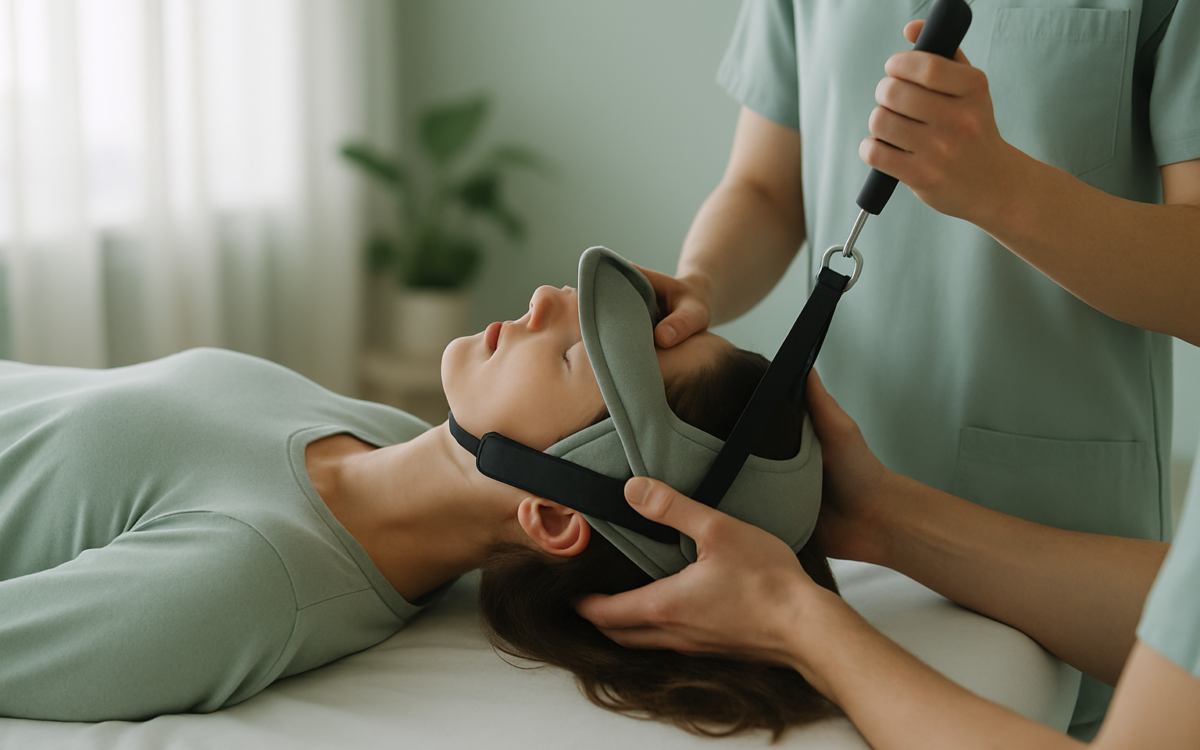
Cervical traction might sound like a complicated medical term, but it simply refers to a way of relieving pressure on the neck and spine. This therapy has gained popularity as more people seek non-surgical options for neck and upper back pain. Understanding cervical traction and how it works can empower you to make informed choices about your health and wellness.
What is Cervical Traction?
Cervical traction involves stretching the neck gently to relieve pain, restore mobility, and improve overall spinal health. It can be performed manually by a physical therapist, or through mechanical devices designed specifically for this purpose. These devices can apply consistent force and maintain proper positioning. The goal is to create space between the vertebrae, which can alleviate nerve compression and muscle tension.
When Is Cervical Traction Used?
Cervical traction is often recommended for various conditions affecting the neck and upper back, including:
- Herniated Discs: Bulging or herniated discs can compress nerves, causing pain. Cervical traction can help relieve this pressure.
- Degenerative Disc Disease: As discs wear down with age, they can lose their cushioning ability. Traction can help rehydrate the discs.
- Cervical Radiculopathy: This condition, caused by nerve compression, can lead to pain, weakness, or numbness in the arms. Traction may help relieve these symptoms.
- Neck Strain: Muscle injuries or strains often respond well to traction therapy, improving flexibility and reducing discomfort.
How Does Cervical Traction Work?
The underlying principle of cervical traction is quite straightforward. By applying a gentle pulling force, the therapy stretches the cervical spine. Here’s how this process typically works:
- Alignment: The neck’s vertebrae can become misaligned due to injury, poor posture, or aging. Traction aims to restore proper alignment.
- Decompression: By creating space between the vertebrae, traction reduces the pressure on spinal nerves and can alleviate pain.
- Increased Blood Flow: Stretching the muscles around the spine can promote blood circulation, which may aid healing.
Types of Cervical Traction
Cervical traction can be divided into two main categories: manual and mechanical. Both types have unique applications and benefits.
Manual Traction
Manual traction is typically performed by a qualified physical therapist or chiropractor. The therapist uses their hands to apply a controlled and gentle pulling force to the neck. This method allows for immediate feedback and adjustments based on the patient’s comfort level, making it a highly personalized experience.
Mechanical Traction
Mechanical cervical traction involves the use of devices or machines that provide steady traction. These machines can vary in complexity, from simple home devices that allow for self-administration to sophisticated equipment found in clinics. Mechanical traction often provides a consistent pull, which can be beneficial for patients who may need routine treatments.
At-Home Cervical Traction Options
For those looking for convenience and cost-effectiveness, at-home cervical traction devices are available. These devices can vary in design but generally allow for safe and controlled traction at home. However, it’s essential to consult with a healthcare provider before starting any home treatment. Some common options include:
- Cervical Traction Kits: These kits usually include a harness and a weight system that allows for gentle traction.
- Pillows: Specialized cervical pillows can help maintain neck alignment while sleeping, indirectly offering some traction benefits.
- Exercises: Certain stretches and exercises can mimic some effects of traction, potentially relieving pressure and improving mobility.
Potential Benefits of Cervical Traction
Those who undergo cervical traction often report various benefits, including:
- Reduced neck pain and stiffness
- Improved range of motion
- Decreased muscle tension
- Enhanced overall comfort and quality of life
Research has shown that traction can lead to significant improvements in patients dealing with specific neck-related conditions. For instance, studies indicate that cervical traction may be effective in reducing pain and improving function in individuals with herniated discs or neck strains (NIH). However, results can vary from person to person, which is why customized treatment is vital.
Considerations and Risks
While cervical traction can be beneficial, it is not suitable for everyone. Certain conditions may render traction ineffective or possibly harmful. These include:
- Severe spinal instability
- Fractures or trauma to the cervical spine
- Certain types of tumors
- Acute injuries and inflammatory diseases
Always discuss your medical history with your physician before trying cervical traction to identify any potential risks. Additionally, it’s essential to work with a qualified therapist to ensure proper technique and minimize complications.
When to See a Doctor
If you experience chronic neck pain, discomfort following an injury, or symptoms like numbness or weakness in your arms, it’s essential to consult a healthcare professional. They can provide a thorough evaluation and recommend appropriate treatment options. Cervical traction may be part of your overall treatment plan, but it’s always crucial to assess your specific condition with a qualified provider.
In conclusion, cervical traction can be a helpful therapeutic method for managing neck pain and improving spinal health. While it offers many potential benefits, proper evaluation and guidance from a healthcare provider are essential to ensure it’s the right choice for you. By understanding the process and effects of cervical traction, you can take informed steps towards better neck health.
