
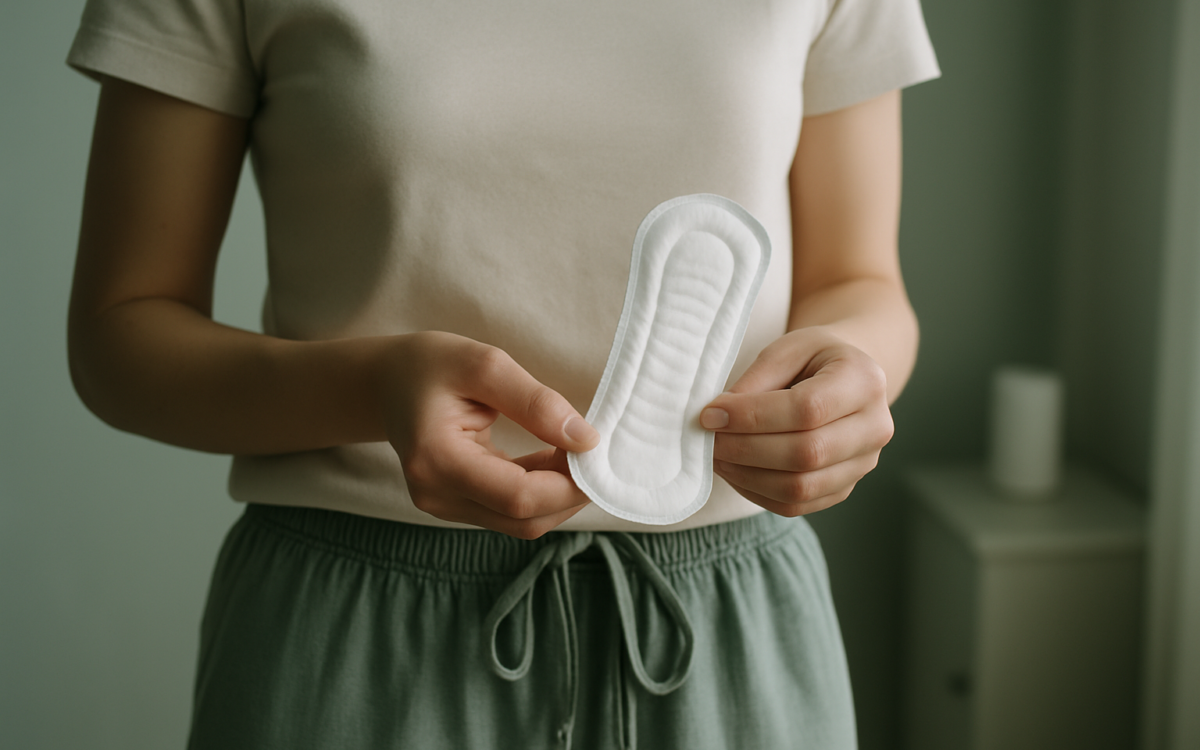
Experiencing two menstruations in one month can be puzzling and concerning for many. While most people expect their menstrual cycle to follow a regular pattern, deviations can occur. Understanding why this happens, what might be normal, and when to seek medical advice can help ease your worries.
Understanding the Menstrual Cycle
The menstrual cycle typically lasts between 21 to 35 days and is regulated by hormones produced by the ovaries, pituitary gland, and hypothalamus. Each cycle consists of several phases: the menstrual phase, follicular phase, ovulation, and luteal phase. Changes in these phases can lead to variations in menstrual frequency.
Common Causes of Two Menstruations in One Month
1. Hormonal Fluctuations
Hormones play a significant role in regulating menstruation. Conditions such as polycystic ovary syndrome (PCOS) or thyroid disorders can cause disruptions in hormone levels, leading to irregular cycles. Stress, sudden weight loss, or significant changes in exercise can also impact hormone levels, resulting in two periods within a month.
2. Birth Control Methods
Some forms of birth control can lead to changes in menstrual cycles. For instance, hormonal contraceptives like the pill, patch, or ring can cause breakthrough bleeding, which may be perceived as an additional period. Intrauterine devices (IUDs) may also result in irregular bleeding, especially in the first few months of use.
3. Other Health Conditions
Certain medical conditions can lead to menstrual irregularities. Conditions such as endometriosis, fibroids, or pelvic inflammatory disease (PID) can cause unusual bleeding patterns. Additionally, perimenopause can lead to changes in cycle regularity as hormone levels fluctuate. Understanding your body and recognizing unusual symptoms is essential.
Identifying Normal vs. Abnormal Patterns
It’s important to differentiate between what might be normal and what should raise flags. Some people naturally have shorter cycles, while others may experience occasional irregularities without cause for concern. However, if you experience significant changes, such as heavy bleeding or periods occurring less than 21 days apart consistently, it may indicate an underlying issue.
Signs of Abnormal Menstrual Patterns
- Periods more frequent than every 21 days
- Heavy bleeding that soaks through one or more pads or tampons every hour
- Periods lasting longer than seven days
- Severe pain during menstruation
- Irregular cycles for several months in a row
Lifestyle Factors That Could Influence Your Cycle
Stress and Mental Health
Stress is a well-known disruptor of many bodily functions, including the menstrual cycle. High levels of ongoing stress or anxiety can interfere with hormonal balance and lead to irregular menstruation. Finding effective stress management techniques can be beneficial.
Diet and Nutrition
Your diet can also impact your menstrual cycle. Significant changes in weight, whether gain or loss, can affect hormone production and regulation. Eating a balanced diet rich in nutrients, maintaining a healthy weight, and staying hydrated can support overall reproductive health.
Physical Activity
While regular exercise is important for health, excessive physical activity, especially when combined with low caloric intake, can disrupt hormonal balance and lead to irregular periods. Striking a balance with moderate exercise is key.
When to See a Doctor
If you experience two periods in one month alongside any abnormal symptoms—like severe pain, heavy bleeding, or other drastic changes in your cycle—it’s important to consult a healthcare provider. They can help identify potential underlying issues through diagnostic tests and personalized assessments.
Conclusion
Experiencing two menstruations in one month is not uncommon and can arise from a variety of causes, ranging from hormonal fluctuations to lifestyle factors. Staying informed about your menstrual health is crucial to addressing any changes you might encounter. If anything feels concerning, don’t hesitate to reach out to a medical professional to discuss your symptoms and find the right support.
