
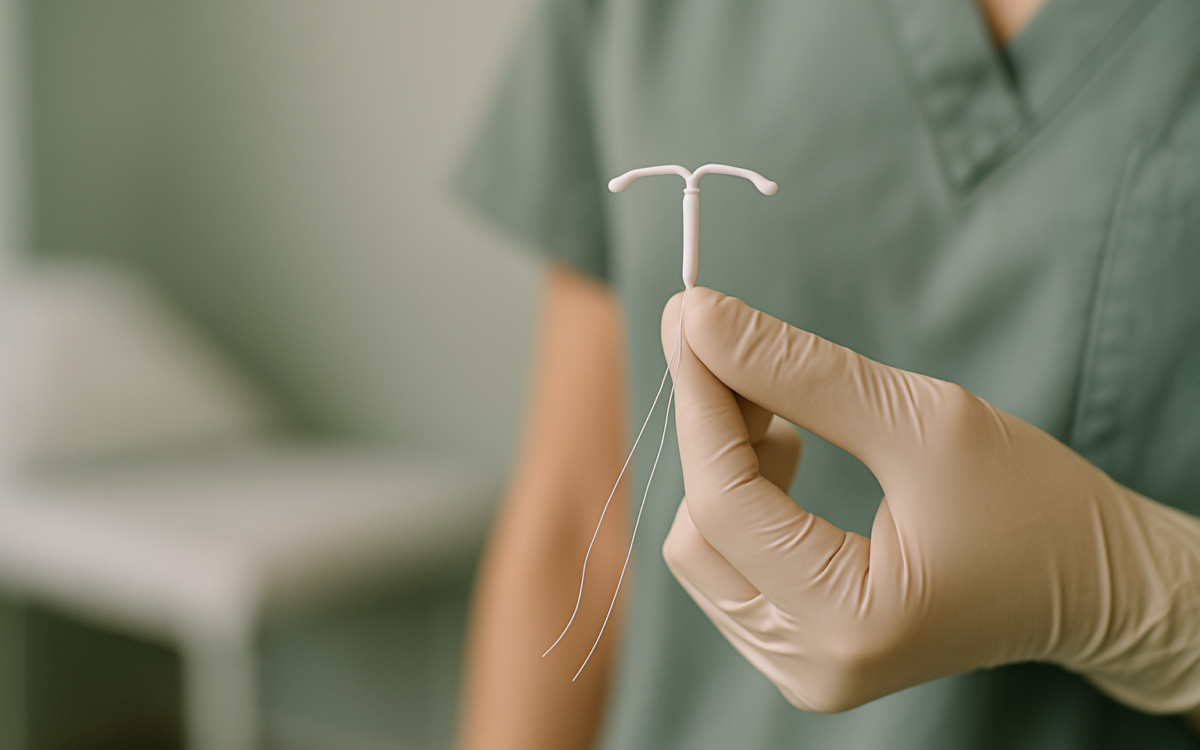
When it comes to choosing a reliable form of birth control, many women consider the intrauterine device (IUD). Often praised for their effectiveness and low maintenance, IUDs also come with strings that are an important part of their design. While IUD strings might seem like a minor detail, they serve several crucial functions. In this article, we will explore what IUD strings are, their purpose, and what steps to take if you have any concerns about them.
What Are IUD Strings?
IUD strings are thin threads that hang from the end of the IUD, extending into the vagina. They are typically made from a soft, flexible material, and serve multiple purposes. The primary role of these strings is to help your healthcare provider check the position of the IUD.
Why Are IUD Strings Important?
IUD strings play a significant role in the overall functionality of the IUD. Here are a few key reasons why they are essential:
- Position Monitoring: The strings allow doctors to determine whether the IUD is properly positioned within the uterus. If you visit your healthcare provider for a check-up, they may use the strings to check that the IUD hasn’t moved.
- Removal Aid: When it’s time to remove the IUD, the strings provide a way for doctors to grasp and pull the device out safely.
- Warning Sign: If you experience complications, such as an expelled IUD, the strings can help indicate that something may be wrong.
How Should IUD Strings Feel?
Generally, you should not feel the IUD strings inside the vagina. However, you might be able to feel them with your fingers if you touch the cervix. They should feel soft and flexible. It’s normal for the strings to vary in length; some women may have shorter strings, while others may have longer ones. If you can feel the strings but don’t experience pain or discomfort, there is usually no cause for concern.
What to Do If You Can’t Feel the Strings
If you can’t feel the IUD strings at all, or if they seem longer or shorter than before, it’s essential to take the following steps:
- Stay Calm: First and foremost, try to remain calm. Various factors can cause the strings to change position or be less detectable.
- Contact Your Healthcare Provider: It’s crucial to schedule an appointment with your healthcare provider. They may want to perform an ultrasound or a vaginal exam to ensure that the IUD is still in place.
- Avoid Sexual Intercourse: Until you consult your doctor, consider avoiding sexual intercourse. This is to prevent complications or potential pregnancy if the device has shifted.
Possible Complications Related to IUD Strings
While IUDs are generally safe, complications can occur. Some issues related to the strings may include:
- Expulsion: In some cases, the IUD may be expelled from the uterus. This could be indicated if you notice the strings becoming more prominent or if you experience unusual pain.
- Perforation: Rarely, the IUD can perforate the uterine wall during insertion, which can lead to significant issues. If you feel severe pain or other unusual symptoms, seek medical attention immediately.
- Infection: There is a minor risk of infection at the time of insertion, usually within the first few days. Signs of infection can include fever, chills, or unusual discharge.
Menstrual Changes with an IUD
Many women experience changes in their menstrual cycle after having an IUD inserted. This is also where strings can play a role. Hormonal IUDs, for example, often lead to lighter menstruation and even amenorrhea (the absence of periods) for some women. Copper IUDs may initially increase bleeding and cramping. Understanding your own body’s response and keeping track of any menstrual changes can help you monitor your IUD experience.
When to See a Doctor
It’s essential to know when to seek medical attention regarding your IUD and its strings. Contact your healthcare provider if you experience:
- Severe pain, especially outside your normal cramping routine.
- Heavy bleeding or unusual discharge.
- Fever or chills that may indicate an infection.
- You can’t feel the strings, and you have concerns about the IUD’s position.
Conclusion
IUD strings are more than just a minor feature of this popular contraceptive method; they are essential for monitoring and managing your IUD. By understanding the role of these strings and the potential complications, you can feel more confident in your IUD experience. If you have any questions or concerns, don’t hesitate to reach out to your healthcare provider for guidance and support. Remember, your health is paramount!
