
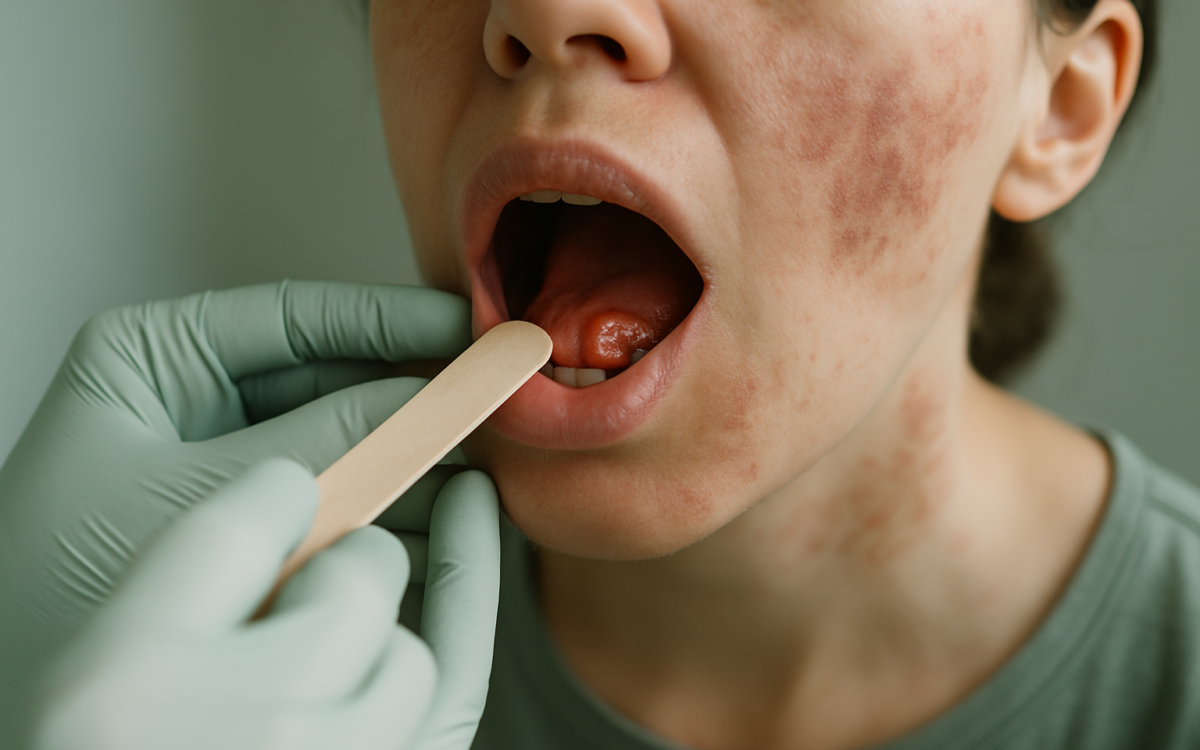
Lupus is a complex autoimmune disease that can affect multiple systems in the body, including the skin, joints, and organs. One of the lesser-known aspects of lupus is its connection to oral health, particularly the occurrence of mouth ulcers. These painful sores can have a significant impact on nutrition, comfort, and overall well-being for those living with lupus. Understanding this connection is crucial for effective management.
What is lupus?
Lupus, or systemic lupus erythematosus (SLE), is an autoimmune disorder where the immune system mistakenly attacks healthy tissues. This can lead to widespread inflammation, causing a variety of symptoms including fatigue, joint pain, and skin rashes. The cause of lupus is not entirely understood, but it is believed to involve a combination of genetic, environmental, and hormonal factors.
How lupus affects the mouth
Lupus can lead to several oral health issues, one of the most common being mouth ulcers. These ulcers can appear on the lips, inside the cheeks, or under the tongue and can be quite painful. They often appear during disease flare-ups but can also be a chronic issue for some people with lupus.
Symptoms of mouth ulcers
Mouth ulcers associated with lupus may present with various symptoms, including:
- Localized pain or discomfort in the mouth
- White or grayish lesions with a red halo
- Difficulty eating, drinking, or speaking
- Feeling of itchiness or burning prior to ulcer development
Recognizing these symptoms early can help patients seek the right care. Mouth sores can significantly affect the quality of life, making it important to address discomfort swiftly.
The link between lupus and mouth ulcers
While not every person with lupus will develop mouth ulcers, many do. The connection between lupus and mouth ulcers arises largely from the immune system’s dysregulation. When the immune system is activated inappropriately, it can lead to inflammation and the breakdown of tissues, resulting in ulcers. Additionally, medications used to treat lupus, such as corticosteroids or immunosuppressants, can also contribute to oral health problems.
Managing mouth ulcers
Managing mouth ulcers involves a comprehensive approach because these sores can affect eating and drinking, leading to nutritional deficiencies. Here are some strategies to consider:
- Maintain oral hygiene: Floss and brush regularly to prevent infections. Using a gentle toothbrush can help minimize irritation.
- Use topical treatments: Over-the-counter products that numb the area can provide relief. Some are specifically formulated for mouth sores.
- Stay hydrated: Drinking plenty of fluids is essential. Consider softer foods or smoothies to reduce discomfort while eating.
- Consult healthcare professionals: Regular check-ups with a dentist familiar with lupus can help manage mouth health effectively.
- Explore international treatment: Some patients find specialized options for lupus treatment in Turkey. A focus on holistic approaches and newer therapies can provide additional avenues to explore.
Potential complications of ulcers
Mouth ulcers in lupus patients may lead to complications if not properly managed. Persistent ulcers can become infected, leading to more severe oral health issues. Additionally, if eating becomes painful, a patient might avoid food altogether, which can cause weight loss and nutritional problems. Addressing these ulcers early prevents them from developing into more significant complications, preserving overall health.
Practice self-care and seek support
Living with lupus and managing mouth ulcers can be challenging. Patients are encouraged to engage in self-care practices that help to reduce stress and enhance overall well-being. This might include relaxation techniques, stress management, and connecting with support groups. Sharing experiences with others who understand can provide emotional relief and practical tips for living with this condition.
When to see a doctor
If you have lupus and notice persistent mouth ulcers, it’s essential to consult your healthcare provider. You should seek medical advice if:
- Ulcers do not heal within two weeks
- You experience significant pain that interferes with daily activities
- You have other symptoms, such as fever or swollen glands
Early intervention can help prevent complications and provide you with effective treatment options.
In conclusion, understanding lupus and its connection to mouth ulcers is vital for anyone affected by this autoimmune disease. By staying informed and proactive about oral health, those living with lupus can enhance their quality of life despite the challenges posed by mouth ulcers.
