
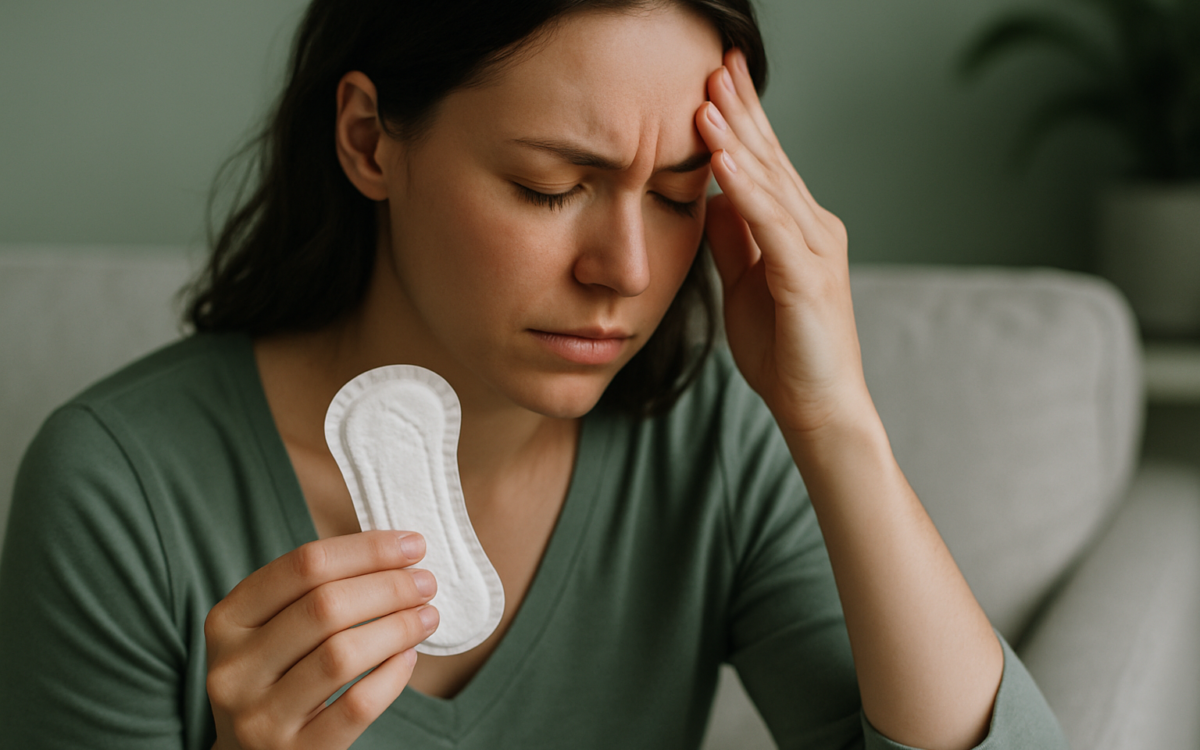
Many women experience headaches as part of their menstrual cycle. These headaches can vary in intensity and frequency, often impacting daily life. Understanding menstrual headaches can help in finding effective ways to manage and relieve the discomfort.
What are menstrual headaches?
Menstrual headaches refer to headaches that occur in association with menstruation. Often described as tension headaches or migraines, these conditions can start before a period, during, or even after menstruation has begun. They are thought to be closely related to hormonal changes in the body.
Types of menstrual headaches
There are mainly two types of headaches that women might experience during their menstrual period:
- Tension Headaches: These are often characterized by a squeezing or tight sensation around the head. They may be mild to moderate in intensity and can last from a few hours to several days.
- Menstrual Migraines: These migraines are more severe and have unique symptoms. They can include nausea, vomiting, and increased sensitivity to light and sound. Menstrual migraines typically occur in a pattern related to the menstrual cycle, often starting two days before the period and lasting through the first three days of menstruation.
Causes of menstrual headaches
Understanding the causes of menstrual headaches can help in addressing them. The main culprits include:
- Hormonal fluctuations: Changes in estrogen and progesterone levels significantly influence the occurrence of headaches. A drop in estrogen just before menstruation is often linked to the onset of headaches.
- Stress: Emotional and physical stress can exacerbate headaches, particularly around the time of menstruation when women may feel more overwhelmed.
- Diet changes: Some women may crave certain foods or skip meals during their period, which can lead to headache onset. Caffeine withdrawal during this time can also trigger headaches.
- Lifestyle factors: Inadequate sleep, dehydration, and lack of physical activity can contribute to headaches during menstruation.
Symptoms of menstrual headaches
The symptoms of menstrual headaches can vary. Common indicators include:
- Pain on one or both sides of the head
- Throbbing or pulsating sensation
- Sensitivity to light and sound
- Nausea
- Visual disturbances, such as seeing spots or flashes
Being aware of these symptoms can help women recognize when their headaches are linked to their menstrual cycle.
Managing menstrual headaches
There are several strategies that can help manage and relieve menstrual headaches:
- Over-the-counter pain relief: Non-prescription medications like ibuprofen or acetaminophen may ease the pain. However, it’s important to follow the recommended dosages and consult a doctor if headaches persist.
- Hormonal treatments: Birth control pills can help regulate hormones and may reduce the frequency and severity of menstrual headaches for some women. Discussing this option with a healthcare provider can provide tailored advice.
- Lifestyle changes: Maintaining a healthy diet, practicing relaxation techniques like yoga or meditation, and ensuring adequate hydration and sleep can help minimize headaches.
- Chiropractic or physical therapy: For those who experience tension headaches, therapies that focus on muscle relaxation can be beneficial.
When to see a doctor
If you experience severe headaches that do not respond to over-the-counter treatments or if your headaches interfere significantly with your daily life, it’s important to consult a healthcare provider. It may be necessary to explore additional treatment options or check for underlying health issues. Visit [NIH](https://www.ncbi.nlm.nih.gov/) or [Mayo Clinic](https://www.mayoclinic.org/) for more information on when to seek medical advice.
Conclusion
Menstrual headaches can be a frustrating part of the menstrual cycle, but understanding their nature can empower women to find relief. By recognizing the symptoms and triggers, women can effectively manage their headache experiences. Whether through lifestyle adjustments or medical treatment, support is available, making it easier to navigate this common health issue.
