
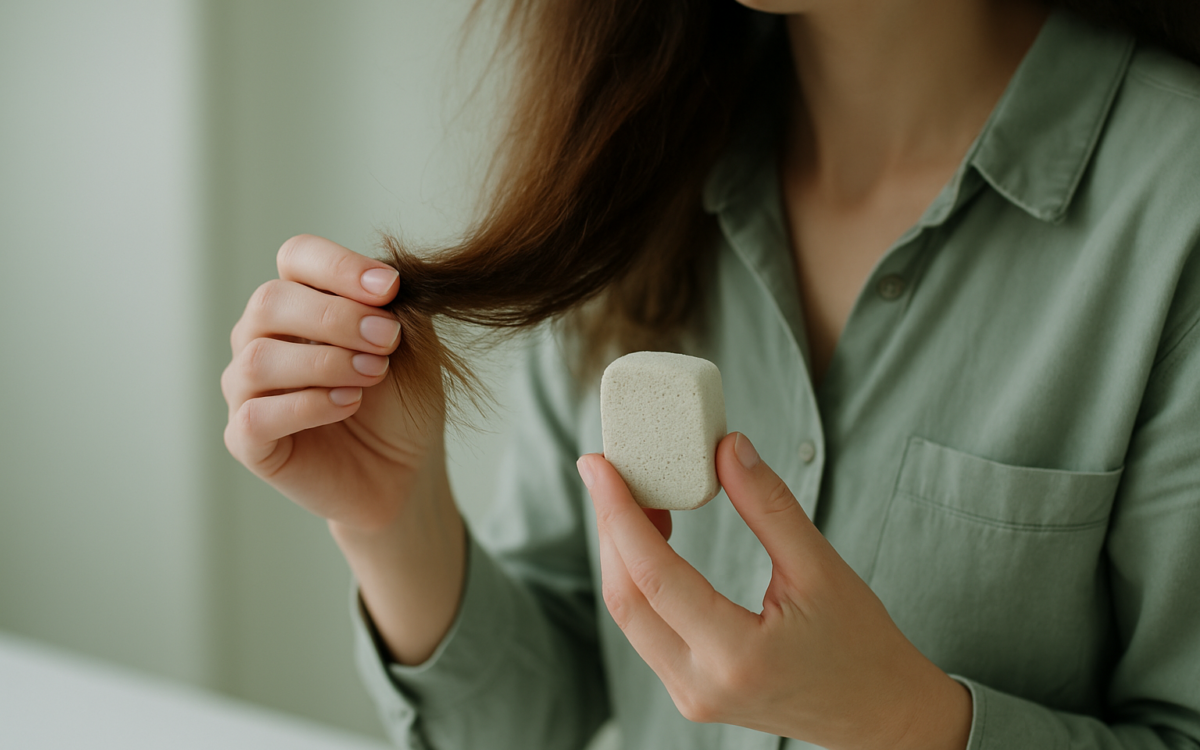
When it comes to hair care, the term ‘porosity’ often comes up. But what does it really mean? Understanding your hair’s porosity is key to maintaining healthy hair. It plays a vital role in how your hair absorbs moisture and products. Let’s delve into the world of hair porosity, its types, and how to cater your hair care routine to fit your needs.
What is hair porosity?
Hair porosity refers to how easily hair can absorb and retain moisture. This is largely determined by the structure of your hair cuticle, the outer layer of hair that protects it. A healthy cuticle lies flat and smooth, allowing for optimal moisture retention. However, if the cuticle is damaged or raised, it can lead to higher porosity, making it harder to keep moisture in.
Types of hair porosity
Hair can generally be categorized into three types of porosity: low, medium, and high. Understanding which category your hair falls into can help you choose the right products and techniques for care.
Low porosity hair
Low porosity hair has a tightly bound cuticle layer that makes it more difficult for moisture to penetrate. This type of hair often repels water and products, leaving it feeling dry and heavy if overloaded with products.
- Signs of low porosity hair:
- Products buildup easily
- Hair feels greasy quickly
- Slowly absorbs moisture
Medium porosity hair
Medium porosity hair is considered the most versatile. The cuticle is slightly raised, allowing for easier absorption of moisture while maintaining enough strength to hold it. This type generally requires a balanced approach to haircare.
- Signs of medium porosity hair:
- Hair is not overly dry or oily
- Styles hold well without much product
- Often responds well to various products
High porosity hair
High porosity hair has a cuticle layer that is more damaged or raised, leading to increased absorption of moisture but also a quicker loss of it. This makes managing high porosity hair a bit more challenging.
- Signs of high porosity hair:
- Often feels dry and brittle
- Dries quickly after washing
- Can easily become frizzy or damaged
How to test your hair porosity
To determine your hair’s porosity type, you can conduct a simple water test at home. Start by taking a strand of clean hair and placing it in a glass of water. Observe how it behaves:
- If it floats for a while before sinking, you likely have low porosity hair.
- If it sinks slowly, your porosity is likely medium.
- If it sinks immediately, this indicates high porosity hair.
Caring for different porosity types
Once you understand your hair porosity, you can tailor your hair care routine to meet its specific needs.
Caring for low porosity hair
For low porosity hair, lightweight products are usually best. Look for:
- Water-based conditioners
- Lighter oils, like argan or jojoba
- Avoid heavy creams that can weigh it down
Incorporating heat during conditioning may help open the cuticle for better absorption.
Caring for medium porosity hair
Medium porosity hair typically doesn’t require any special treatment. However, maintaining its health is crucial:
- Use a balanced mix of moisturizing and strengthening products
- Regular deep conditioning treatments can promote shine and manageability
Caring for high porosity hair
If you have high porosity hair, it’s vital to lock in moisture effectively. Choose:
- Heavy creams and butters
- Sealants like coconut oil, which helps prevent water loss
- Protein treatments to strengthen the hair
Additionally, avoid heat styling and chemical treatments that can further damage your hair.
Common misconceptions about hair porosity
Many people misunderstand hair porosity. Here are some common myths:
- Myth: All hair can be treated the same way.
- Myth: High porosity hair is damaged and low porosity hair is healthy.
In reality, each hair type has its own set of needs. When you understand your hair’s unique porosity, you can make better choices for its care.
When to see a doctor
If you’re experiencing severe hair breakage, excessive shedding, or significant changes in your hair’s texture that concern you, it might be time to consult a healthcare provider. They can help rule out underlying health conditions and suggest appropriate treatments. For more information, you can visit the Mayo Clinic or NIH.
Conclusion
Understanding hair porosity is key to a successful hair care routine. By identifying whether your hair is low, medium, or high porosity, you can select the right products and techniques to maintain its health and appearance. Embrace your hair type and enjoy the journey of finding the best ways to care for it!
