
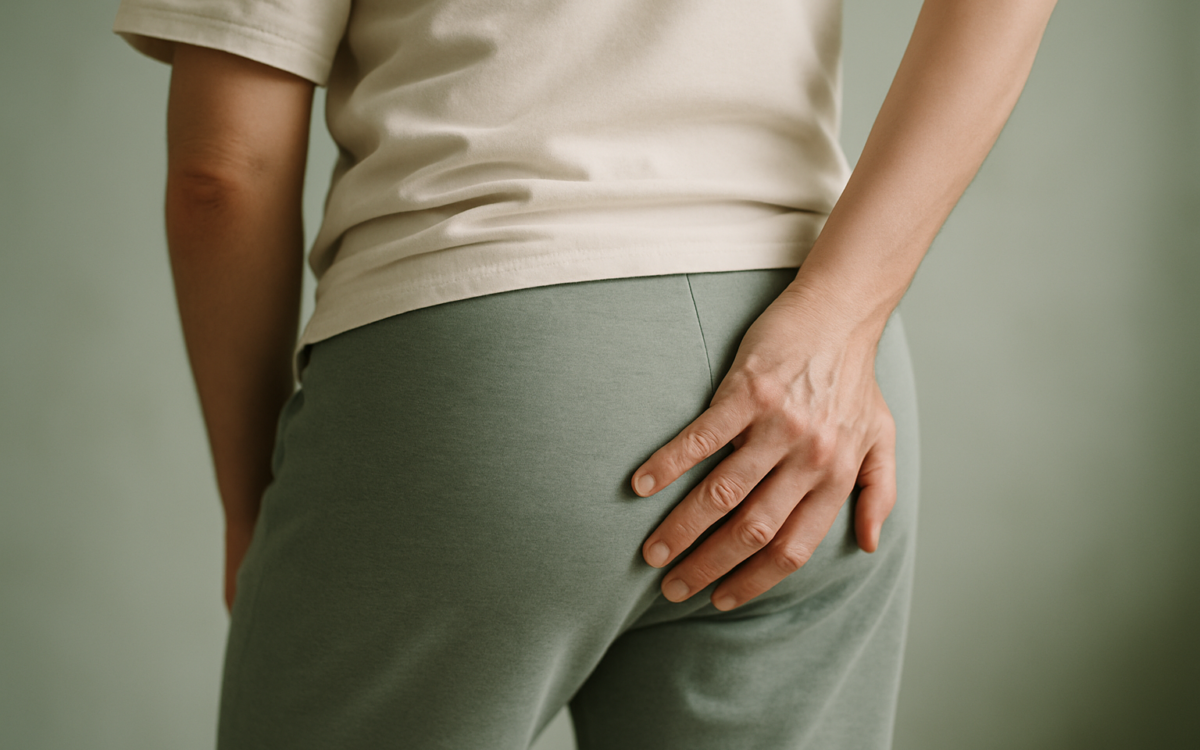
Farting is a natural bodily function that, while often a source of embarrassment, is typically met with amusement and curiosity. Have you ever wondered if releasing gas could help you burn calories? It sounds far-fetched, but let’s take a closer look at the science behind this lighthearted topic.
Understanding Farting
Before diving into the calorie-burning question, it’s important to understand what farting really is. Farting, or flatulence, occurs when gas builds up in the digestive system and is expelled through the rectum. This gas can come from various sources, including swallowed air, digestion processes, and bacteria breaking down food in the intestines.
According to the National Institutes of Health, the average person farts between 14 to 23 times a day. This is completely normal! Foods that are high in fiber, such as beans and vegetables, can increase the amount of gas produced, making flatulence more common after meals.
Calories and Energy Expenditure
To understand if farting can burn calories, we need to explore how our bodies burn calories in general. Caloric burn refers to the amount of energy (in calories) that our bodies use to perform various tasks, including basic functions like breathing, digestion, and physical activity.
Every time we engage in an activity—whether it’s exercising, walking, or even just digesting food—our body requires energy, which is measured in calories. However, the number of calories burned can greatly vary depending on the activity’s intensity and duration.
So, Does Farting Burn Calories?
The short answer is: yes, but not significantly. When we digest food, and as trapped gas moves through the intestines and eventually makes its way out, there is a small amount of energy expenditure involved. However, the number of calories burned during the actual process of farting is minimal, likely amounting to less than a single calorie per instance.
A study published in the National Library of Medicine indicates that many metabolic processes, including digestion and waste elimination, do require energy—but the energy expenditure related specifically to farting is so slight that it’s barely measurable.
How Other Factors Affect Caloric Burn
While farting might not significantly affect calorie burn, several factors can influence how many calories you burn throughout the day. Here are a few:
- Basal Metabolic Rate (BMR): This is the rate at which your body burns calories while at rest. BMR varies by age, sex, weight, and muscle mass.
- Physical Activity: Engaging in physical activity—such as walking, running, or exercising—can significantly increase your calorie expenditure.
- Diet Composition: What you eat can also play a role. Foods high in fiber require more energy to digest, potentially leading to a higher caloric expenditure.
Benefits of Farting
Although farting might not help you burn calories, it does come with some health benefits. For instance:
- Relief from bloating and discomfort: Farting can relieve pressure and discomfort caused by the buildup of gas.
- Indication of a healthy gut microbiome: Regular flatulence often means that your gut bacteria are functioning well and digesting food effectively.
- A source of humor: Let’s face it—farting can lighten the mood and lead to laughter! Humor is good for your health, too.
When to See a Doctor
While farting is a normal part of digestion, there are times when excessive flatulence or changes in your gas patterns may indicate an underlying health issue. Consult a healthcare professional if you experience:
- Severe or persistent abdominal pain
- Sudden changes in bowel habits
- Gas that is accompanied by diarrhea, constipation, or a noticeable change in the odor
Conclusion
So, while we can chuckle at the thought of farting as a way to burn calories, the truth is that the calorie burn from this natural process is virtually negligible. However, it’s a healthy sign of digestion and can provide a bit of comic relief in our daily lives. Remember, our bodies are complex, and understanding their functions can help us maintain better health. If gas becomes a concern, don’t hesitate to seek guidance from a healthcare provider.
