
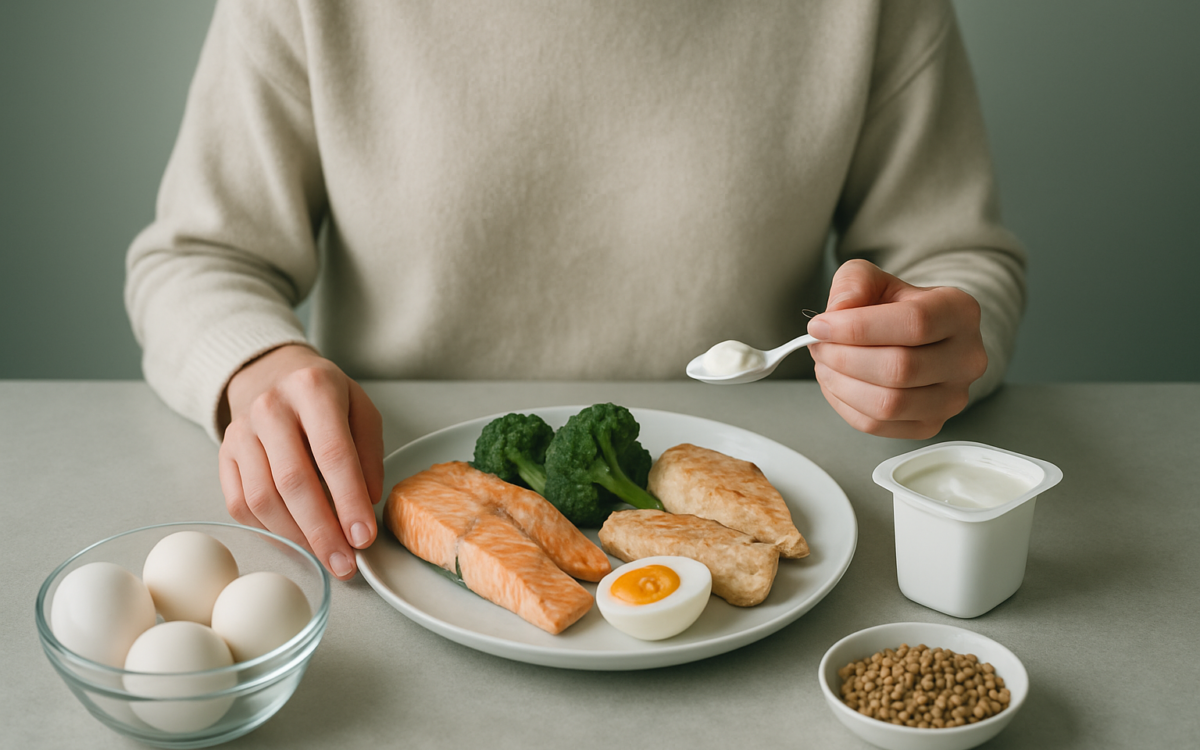
Have you ever wondered how much protein you should be eating to maintain a healthy lifestyle? You’re not alone. Protein is one of the three key macronutrients, along with carbohydrates and fats. It plays a vital role in repairing body tissues, building muscles, and producing enzymes and hormones. With so many diets and nutrition fads out there, determining your ideal protein intake can be confusing. This article aims to clarify protein needs based on various factors like age, activity level, and health conditions.
Understanding Protein Needs
Proteins are made up of amino acids, some of which are essential, meaning your body cannot produce them and you must get them from your diet. The body uses protein to support various functions, such as immune response, transportation of nutrients, and muscle health. But how much do you need?
General Guidelines for Protein Intake
The Recommended Dietary Allowance (RDA) for protein is set at 0.8 grams per kilogram of body weight for healthy adults, according to the National Institutes of Health. This means that a 70-kilogram (approximately 154-pound) person should consume around 56 grams of protein per day. However, this is a general guideline, and individual needs can vary based on several factors.
Factors Influencing Protein Requirements
Your ideal protein intake can depend on multiple factors:
- Age: As people age, protein needs may increase to help maintain muscle mass. Older adults are often recommended to consume around 1 to 1.2 grams of protein per kilogram.
- Activity Level: Athletes or individuals who engage in regular physical activity may need more protein to support muscle recovery and growth. Recommendations for active individuals can range from 1.2 to 2.0 grams per kilogram.
- Health Conditions: Certain medical conditions, such as cancer, kidney disease, or malnutrition, can also influence protein needs. It’s especially important for those with specific health issues to seek personalized advice.
Protein Sources to Consider
When determining your protein intake, it’s equally important to consider where your protein is coming from. A balanced diet should include a variety of protein sources:
- Animal Sources: Meat, fish, poultry, eggs, and dairy products are complete proteins, meaning they contain all the essential amino acids.
- Plant Sources: Beans, lentils, chickpeas, quinoa, nuts, and seeds are great options for protein as well. Combining different plant sources can help provide all essential amino acids.
Choosing a mix of these sources can not only help you meet your protein needs but also provide other essential nutrients.
Listening to Your Body
Your body has natural signals that can indicate whether you’re getting enough protein. Some signs of insufficient protein intake include:
- Unexplained fatigue
- Frequent infections or illness
- Muscle weakness
- Slow muscle recovery after exercise
If you notice these signs regularly, it might be time to assess your protein intake.
When to See a Doctor
If you’re unsure about how much protein you should be consuming or if you have a specific health condition, consult a healthcare professional. They can help evaluate your dietary needs based on your unique circumstances, lifestyle, and health goals. Tailoring your diet under professional guidance can lead to better health outcomes.
Conclusion
Understanding how much protein you should be eating is an essential part of maintaining good health. While general guidelines provide a starting point, your individual requirements may vary based on age, activity level, and health conditions. By paying attention to your body’s cues and choosing a variety of protein sources, you can find a balance that works for you. Remember that if you have any doubts or specific health concerns, it’s always best to consult a healthcare professional.
