
Expecting a baby is an enchanting journey filled with excitement and anticipation. One of the most thrilling moments for expectant parents is hearing their baby’s heartbeat. This small yet significant sound can bring joy and reassurance during pregnancy. But when can you first hear it, and what does that mean for your pregnancy? Let’s explore.
Understanding Fetal Heartbeat Basics
The fetal heartbeat begins to develop early in pregnancy, starting as early as six weeks gestation. At this stage, the heart is still quite simple, made up of basic components, but it is already working diligently to provide oxygen and nutrients to the growing fetus. Initially, this heart rate can be quite fast, ranging from 100 to 160 beats per minute, making it one of the earliest indicators of a healthy pregnancy.
When Can You Hear the Heartbeat?
So, when exactly can you hear your baby’s heartbeat? The ability to hear it often depends on the method used and how far along you are in your pregnancy.
Transvaginal Ultrasound
During your first ultrasound, usually scheduled between 6 and 8 weeks of pregnancy, a transvaginal ultrasound may be performed. This method involves inserting a small ultrasound wand into the vagina, which allows for clearer imaging of the early fetus. At this stage, you might be able to detect the faint flicker of the baby’s heartbeat.
Abdominal Ultrasound
By week 10 to 12, an abdominal ultrasound can typically pick up your baby’s heartbeat. This is when many parents start to feel the thrill of hearing the rhythmic thump through the speaker connected to the ultrasound machine. It’s often a moment filled with emotion!
Fetal Doppler Device
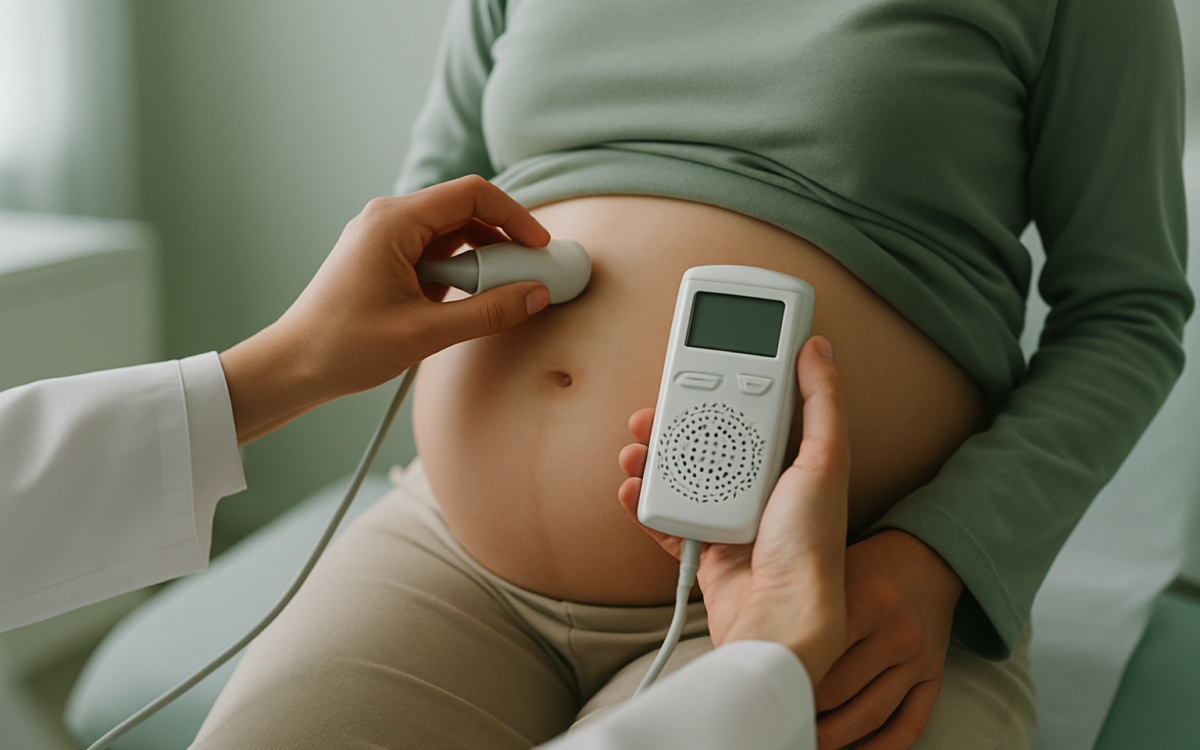
A standard prenatal visit might include a fetal Doppler machine, which uses ultrasound waves to detect and amplify the baby’s heartbeat. This device is commonly used starting around week 10 to 12. Your healthcare provider will move the Doppler wand over your abdomen until they find the heartbeat, which usually doesn’t take long.
Home Fetal Monitors
Some expectant mothers opt to use home fetal monitors, which are available for purchase online or in stores. While these devices can be used after about 12 weeks of pregnancy, they may not always provide a clear sound, especially for first-time moms. It’s essential to remember that while hearing your baby’s heartbeat is exciting, the absence of it on your own monitor isn’t necessarily a sign of trouble. Always consult your doctor if you have concerns.
Emotional Significance of Hearing the Heartbeat
Hearing the heartbeat is one of those memorable moments that stay with parents for a lifetime. For many, it symbolizes a point of connection with the unborn child, making the pregnancy journey feel more real and tangible. It can also provide a sense of reassurance, especially for those who have experienced complications in previous pregnancies.
Listen to Your Body
While the sound of the heartbeat is beautiful, it’s also important to pay attention to your overall well-being. Pregnancy can be filled with ups and downs, and emotional health is just as vital as physical health. Make sure to keep open lines of communication with your healthcare provider regarding any concerns you may have.
When to See a Doctor
If you do not hear your baby’s heartbeat during your prenatal visits or if you have concerns about your baby’s movement, it’s crucial to consult your doctor. You should also contact your healthcare provider if you experience severe cramping, bleeding, or any other unusual symptoms.
Conclusion
The first time you hear your baby’s heartbeat is one of the most touching experiences during pregnancy. While you can often hear it as early as six weeks via ultrasound, it’s typically clearer and more common to hear between ten and twelve weeks. Remember, each pregnancy is unique, so always consult with your healthcare provider for personalized advice and reassurance. Enjoy the journey ahead!
