
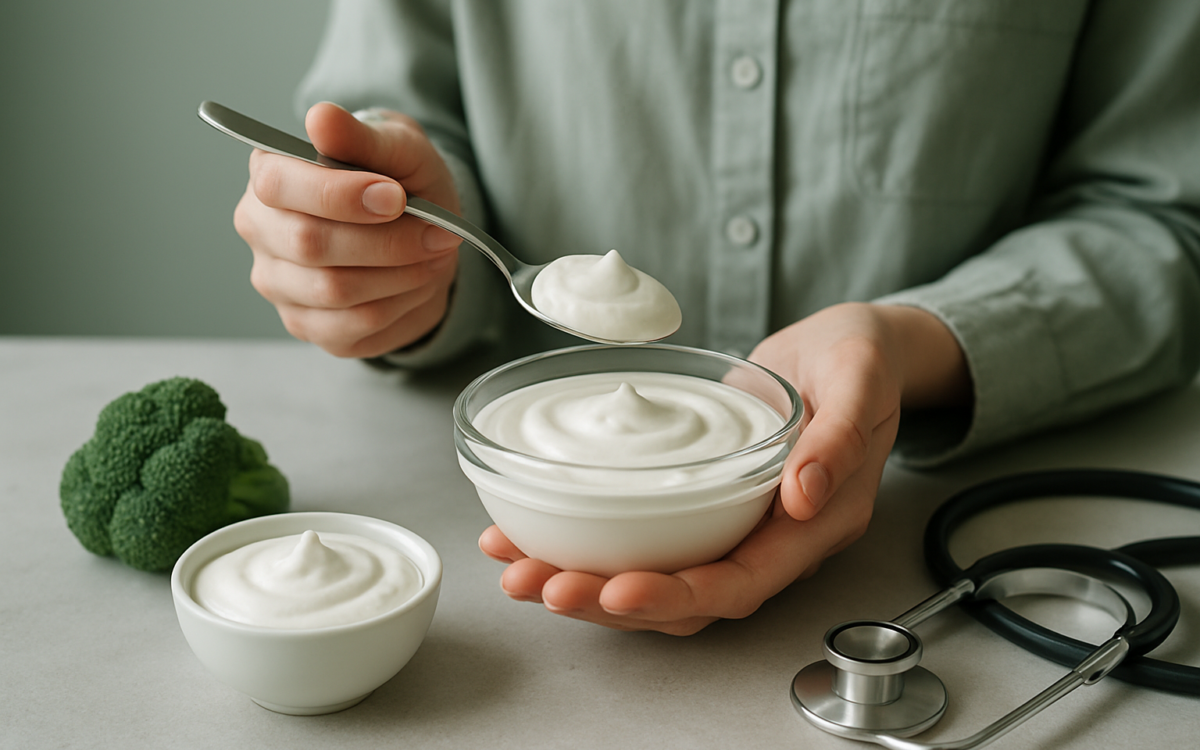
Sour cream is a popular ingredient found in many kitchens, known for its creamy texture and tangy flavor. From topping baked potatoes to mixing into dips, it can enhance a variety of dishes. However, for those health-conscious eaters, the question arises: Is sour cream healthy? In this article, we’ll dig deep into the nutrition of sour cream, its potential benefits, and what you need to consider before indulging.
What is Sour Cream?
Sour cream is a fermented dairy product made by adding certain types of bacteria to regular cream. This fermentation process gives sour cream its distinct sour taste and thick texture. Traditionally, sour cream contains about 20% fat, but lower-fat versions are also available. It’s important to know what kind of sour cream you are consuming, as the nutritional content can vary.
Nutritional Breakdown
Let’s explore the nutrition of sour cream. A typical serving size is about two tablespoons, which can provide:
- Calories: Approximately 60
- Fat: 5-6 grams (mostly saturated fat)
- Protein: 1-2 grams
- Carbohydrates: 1-2 grams
- Calcium: About 2% of the daily recommended intake
While it may not be packed with vitamins and minerals, sour cream does have some nutritional benefits worth noting.
Health Benefits of Sour Cream
Despite its reputation, sour cream can offer several health benefits depending on how it’s consumed:
1. Source of Probiotics
Like many fermented foods, sour cream can contain probiotics, which are beneficial bacteria for your gut health. A healthy gut microbiome has been associated with improved digestion and may support the immune system. Adding probiotics to your diet may lower the risk of certain gastrointestinal conditions. For more detailed information on probiotics, you can refer to the National Institutes of Health.
2. Rich in Calcium
Sour cream can be a valuable source of calcium, essential for bone health. Adequate calcium intake can help prevent osteoporosis and maintain strong bones. Incorporating calcium-rich foods into your diet, including dairy products like sour cream, can contribute to your overall daily needs.
3. Adds Flavor and Satiety
The creamy texture and rich flavor of sour cream can enhance meals without needing excessive amounts of additional fats or oils. Often, just a dab of sour cream can satisfy your taste buds, which may help you to enjoy dishes more without overloading on calories.
Potential Downsides of Sour Cream
While sour cream can offer benefits, it’s important to be aware of some potential downsides:
1. High in Saturated Fat
Sour cream is relatively high in saturated fat, which can raise LDL cholesterol levels in some people. High levels of LDL cholesterol are associated with an increased risk of heart disease. For those monitoring heart health or trying to maintain healthy cholesterol levels, moderation is key. If you have concerns about fat intake, consider using lower-fat options or evaluating how much sour cream fits into your overall diet.
2. Lactose Intolerance
Many people are lactose intolerant, meaning they have difficulty digesting lactose, the sugar found in milk and dairy products. If you’re lactose intolerant, consuming sour cream may lead to digestive discomfort, including bloating and diarrhea. If you’re unsure about your lactose tolerance, consulting a healthcare professional can provide clarity.
3. Potential Additives
Some commercial brands of sour cream may include additives or stabilizers to enhance shelf life and texture. Always check the ingredient label to ensure you are selecting products with simple, natural ingredients when possible.
How to Incorporate Sour Cream Healthily
If you enjoy sour cream and want to include it in your diet, here are some tips for doing so healthily:
- Choose Plain Versions: Opt for plain sour cream without added flavorings, sugars, or stabilizers.
- Use in Moderation: A small amount can go a long way in enhancing flavors without adding too many calories or fats.
- Mix with Healthy Ingredients: Blend sour cream with healthy herbs or spices to create nutritious dips or dressings without unnecessary calories.
- Consider Alternatives: If you’re concerned about fat intake, try Greek yogurt as a substitute; it can provide a similar texture with additional protein.
When to See a Doctor
If you have concerns about lactose intolerance, cholesterol levels, or how sour cream fits into your overall diet and health plan, it’s a good idea to consult your healthcare provider. They can offer personalized advice based on your specific health needs.
Conclusion
Sour cream can be a flavorful addition to many dishes and offers some nutritional benefits when consumed mindfully. While it has potential downsides, such as high saturated fat content and lactose issues, moderation is key. By being aware of how it fits into your overall dietary intake, you can enjoy sour cream as part of a balanced diet. Always consider your personal health needs and consult a healthcare professional when in doubt.
