
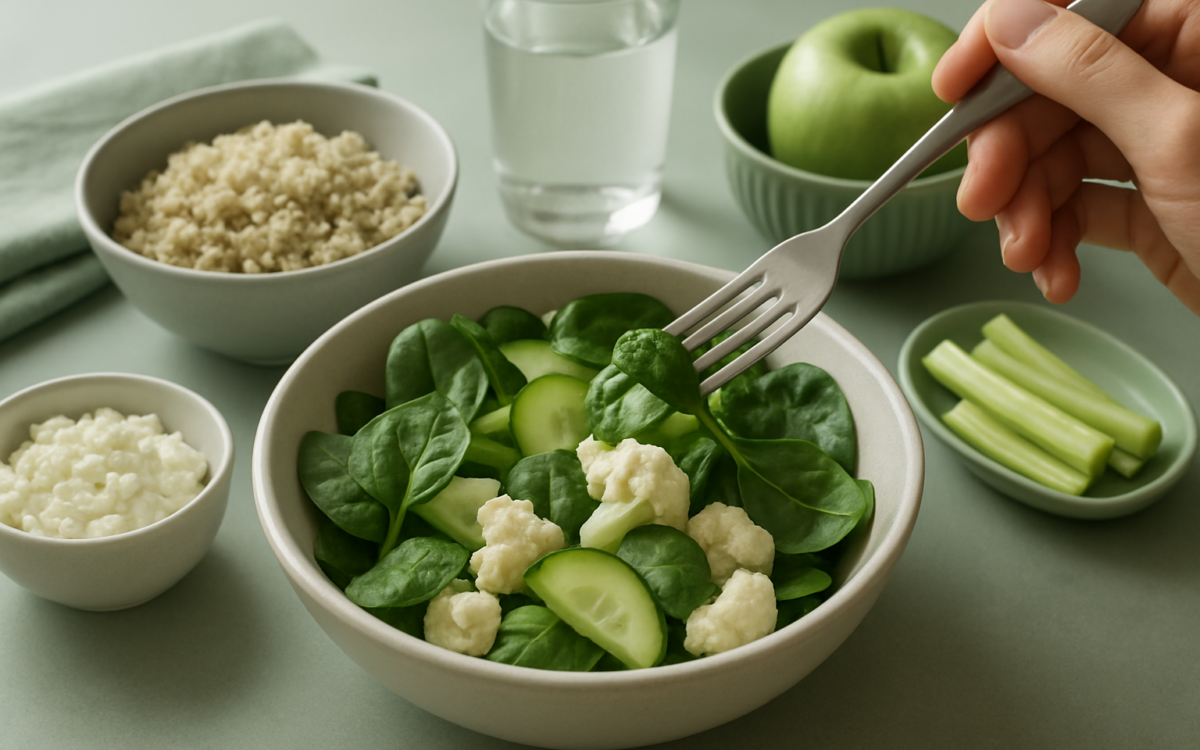
In a world where many of us are trying to manage our weight, the idea of eating less can sometimes make us feel uneasy. We want to lose those extra pounds, but we also want to feel satisfied after our meals. The good news is that there are many low-calorie foods that can fill you up and leave you feeling content! By choosing the right options, you can create meals that not only nourish your body but also keep your hunger at bay.
Understanding satiety and fullness
Before we dive into the best low-calorie fillers, it’s essential to understand what keeps us full. Satiety is the feeling of fullness that signals to your brain that it’s time to stop eating. Various factors contribute to this, including the volume of food, its water content, the presence of fiber, and protein. Foods high in fiber and protein often help maintain satiety longer, reducing the urge to snack between meals.
Top low-calorie foods that help you feel full
Here’s a rundown of some fantastic low-calorie foods that can help you feel full and satisfied:
1. Fruits and Vegetables
Fruits and vegetables are not only low in calories but also high in water and fiber. For instance:
- Leafy Greens: Spinach, kale, and Swiss chard are excellent choices. You can use them in salads or smoothies.
- Berries: Packed with antioxidants, berries like strawberries, blueberries, and raspberries are also low in calories and high in fiber.
- Broccoli: This cruciferous vegetable is versatile and can be steamed, roasted, or added to stir-fries.
2. Legumes and Pulses
Legumes such as lentils, beans, and chickpeas are protein-rich options that pack a significant fiber punch. They are incredibly filling and can be used in various dishes like soups, salads, or casseroles. Incorporating these foods can help you manage your hunger effectively. For example:
- Black Beans: Great in salads or tacos.
- Lentil Soup: A warming, filling option that can be made in bulk.
3. Lean Proteins
Adding lean proteins to your meals can significantly boost your feeling of fullness. Consider options such as:
- Skinless Chicken or Turkey: These are great sources of low-calorie protein and can be grilled or baked.
- Fish: Varieties like salmon and tuna not only fill you up but also provide healthy fats.
- Tofu: A great vegetarian protein alternative that can be stir-fried or added to soups.
4. Whole Grains
Whole grains like quinoa, brown rice, and oats are high in fiber and help keep you feeling satisfied. They take longer to digest than refined grains, which means prolonged satiety. Try these options:
- Oatmeal: Opt for rolled oats over instant oats for a slow-paced energy release.
- Quinoa: A versatile grain that can be the base of salads or served as a side.
5. Broth-based Soups
Soups are a fantastic way to fill your stomach without a high calorie count. Broth-based soups, particularly those loaded with vegetables, can provide a hearty meal. They have a high water content, making them filling while being low in calories. Consider making:
- Vegetable Soup: Use a variety of colorful veggies for nutrients.
- Chicken Soup: Combine lean chicken with vegetables for added protein.
6. International Perspectives on Nutrition
While these foods are staples in many Western diets, you might find that other cultures also emphasize low-calorie, filling foods. For example, in Mediterranean diets, dishes often incorporate legumes, whole grains, and lots of vegetables. Additionally, approaches to nutrition in places like Turkey reveal a focus on fresh ingredients, which are less processed and often lower in calories while still being satisfying. If you’re interested in exploring international treatment and dining perspectives, check out acibademinternational.com for insights on global health trends.
Portion control and mindful eating
Low-calorie foods can help you feel fuller, but portion control is also vital. Eating mindfully and paying attention to your body’s hunger cues can prevent overeating. Consider these tips:
- Use smaller plates to help control portion sizes.
- Take your time while eating; put down your utensils between bites.
- Listen to your body’s hunger and fullness signals.
Maintaining a balanced diet
While low-calorie foods can be filling, it’s essential to have a well-rounded diet that includes a variety of nutrients. Your meals should consist of:
- Proteins (meat, beans, legumes)
- Fruits and vegetables
- Whole grains
- Healthy fats (nuts, seeds, olive oil)
Combining these food groups can ensure you’re not only satisfying your hunger but also providing your body with what it needs to thrive.
When to see a doctor
If you’re struggling with ongoing hunger, have significant weight fluctuations, or if you’re considering major changes to your diet, it may be wise to consult with a healthcare professional. They can provide personalized advice tailored to your individual health needs.
In conclusion, finding low-calorie foods that fill you up is not only possible but can also be delicious and enjoyable. By choosing foods rich in fiber and protein, practicing mindful eating, and maintaining balance in your diet, you can manage your hunger and contribute to your overall health goals. Be kind to yourself as you explore new foods and approaches!
