
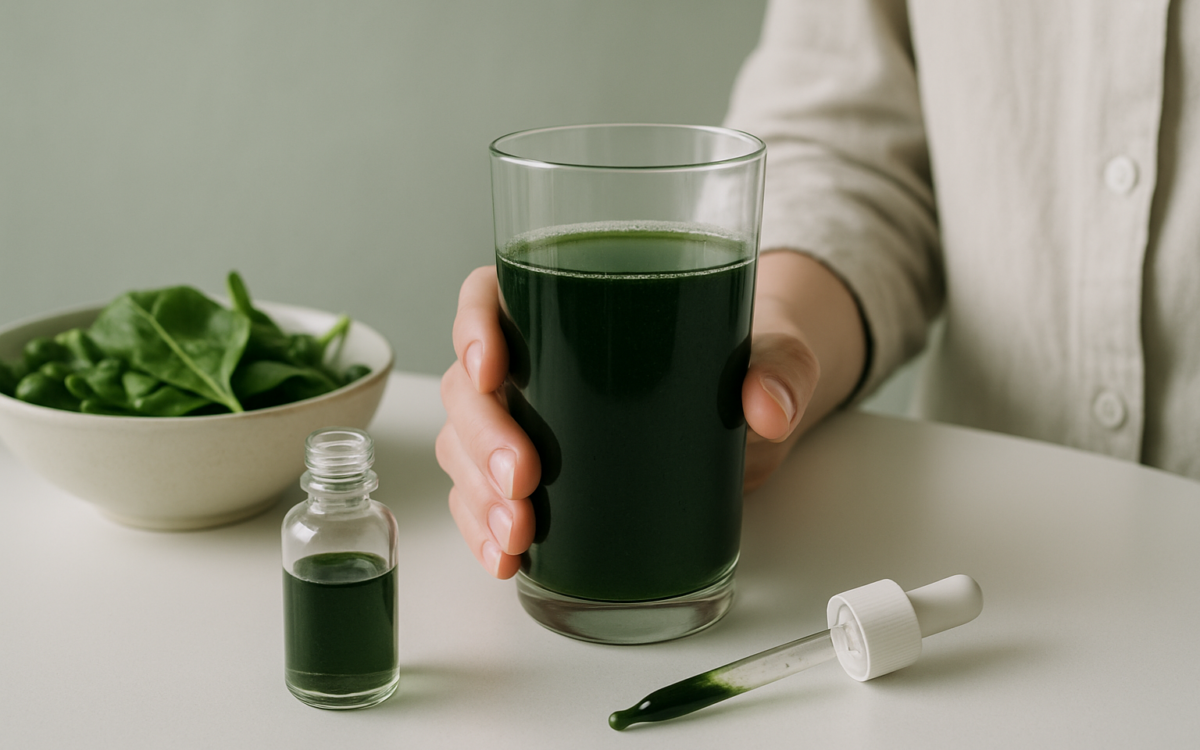
Chlorophyll, the green pigment found in plants, has been attracting attention recently for its potential health benefits. From smoothies packed with chlorophyll to supplements promising various health perks, many are eager to uncover whether this green hue is just a trend or a true health booster. In this article, we will explore what chlorophyll is, its potential benefits, and how you can incorporate it into your diet.
What is chlorophyll?
Chlorophyll is essential for photosynthesis, the process by which plants convert sunlight into energy. It plays a crucial role in absorbing light, particularly in the blue and red wavelengths. The most commonly recognized types of chlorophyll are chlorophyll a and chlorophyll b, both of which contribute to the vibrant green color of many leafy vegetables.
Potential health benefits of chlorophyll
Research into chlorophyll’s health benefits is still emerging, but several potential advantages have been highlighted:
1. Antioxidant properties
Chlorophyll is rich in antioxidants, which help protect our cells from oxidative stress caused by free radicals. Some studies suggest that the antioxidant properties of chlorophyll may help reduce inflammation and lower the risk of chronic diseases. For more information on antioxidants and their role in health, check resources like the NIH.
2. Improved digestion
Many people use liquid chlorophyll to support digestion. It is thought to help detoxify the body, possibly by eliminating heavy metals and other toxins. Moreover, some anecdotal evidence suggests that it may help alleviate symptoms of discomfort, such as bloating and gas, by promoting a healthier gut environment.
3. Skin health and wound healing
Chlorophyll’s applications extend beyond dietary benefits; it may also help with skin health. Some studies indicate that topical chlorophyll can speed up wound healing and reduce inflammation. A study from the National Institutes of Health showed that chlorophyll preparations could potentially reduce acne lesions when applied to the skin.
4. Potential weight management support
While more research is needed, some preliminary studies have suggested that chlorophyll might support weight management efforts. It is theorized that chlorophyll may help regulate hunger hormones, potentially leading to decreased appetite and calorie intake. However, it should not be viewed as a substitute for a balanced diet and exercise.
How to incorporate chlorophyll into your diet
Chlorophyll is widely available, and incorporating it into your diet is easier than you might think. Here are a few ways to do so:
- Eat green vegetables: Include an abundance of leafy greens in your meals, such as spinach, kale, and parsley. These are naturally high in chlorophyll.
- Blend it in smoothies: Add green superfoods like spirulina or chlorella to your morning smoothie. Both are rich in chlorophyll and provide additional nutrients.
- Drink liquid chlorophyll: Many stores now offer liquid chlorophyll supplements that you can add to water or juice for a refreshing green drink.
- Experiment with chlorophyll powder: This can be mixed into soups, dressings, or smoothies, making it easy to boost your nutrient intake.
Are there any side effects or concerns?
While chlorophyll is generally safe when consumed through food and beverages, concentrated supplements may cause side effects for some individuals. Potential adverse effects can include:
- Diarrhea or mild digestive upset when taking high doses.
- Allergic reactions, although rare, may occur in individuals sensitive to chlorophyll.
- Photosensitivity, which is heightened sensitivity to sunlight, in some cases when taking concentrated forms.
It’s essential to consult a healthcare provider before diving into chlorophyll supplements or making significant dietary changes, especially if you have existing health concerns or are taking medication.
When to see a doctor
If you’re considering adding chlorophyll to your diet or using it for health reasons, it’s wise to consult with a healthcare professional. This is particularly important if you have underlying health conditions or are pregnant or breastfeeding. Additionally, if you experience any adverse effects after incorporating chlorophyll, such as digestive issues or skin reactions, be sure to reach out to your doctor.
Conclusion
Chlorophyll is more than just a pigment; it may offer a variety of health benefits, including antioxidant properties and support for digestion and skin health. However, while it can be a valuable addition to a healthy diet, it is essential to approach it thoughtfully and be aware of potential side effects. As always, maintaining a balanced diet rich in whole foods alongside regular exercise is key to good health. Explore the vibrant world of greens, but remember to consult your healthcare provider for personalized guidance.
