
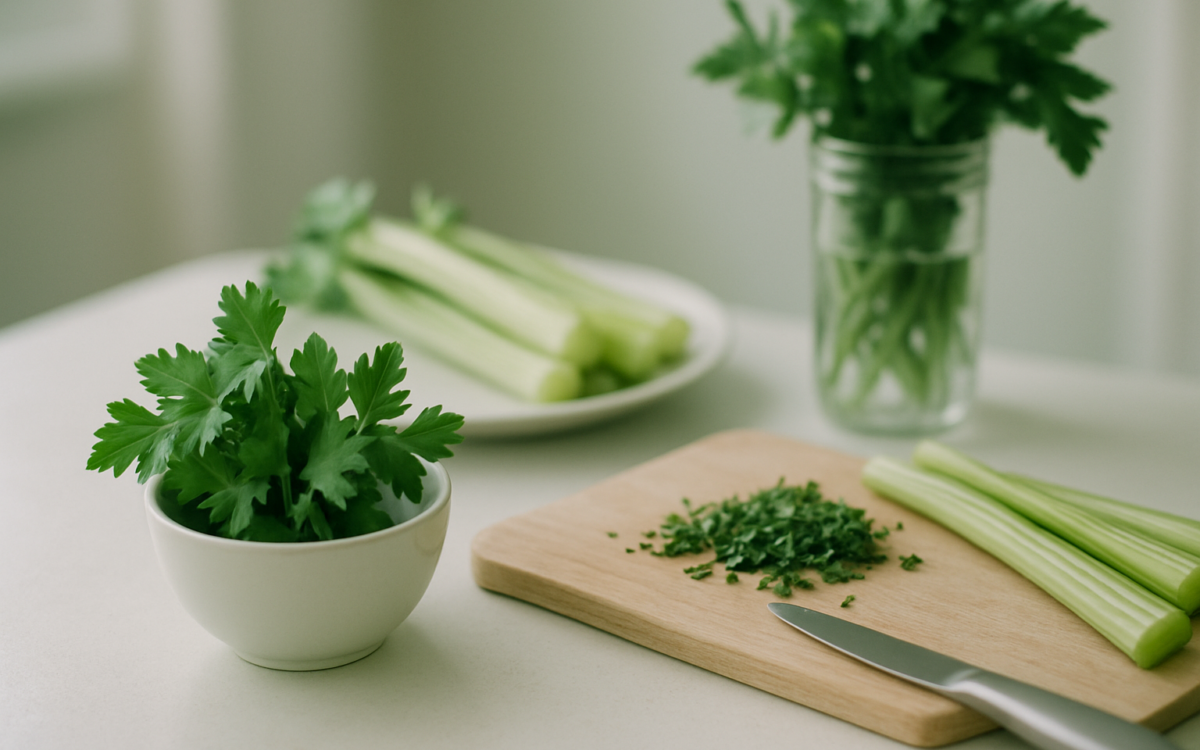
If you’ve ever found yourself knee-deep in a cooking adventure only to realize you’re out of parsley, you’ve likely faced a minor culinary crisis. This widely-used herb adds a fresh flavor and attractive green garnish to countless dishes. Whether you’re simmering a hearty soup or throwing together a salad, parsley seems to be an essential ingredient. But fret not! There are numerous substitutes that can deliver similar delights. In this article, we’ll explore various alternatives for parsley that can save the day and enhance your cooking.
Why Substitute Parsley?
Parsley is not only loved for its vibrant color and flavor, but it also contains several beneficial nutrients. It’s rich in vitamins A, C, and K, and provides minerals like iron and calcium. However, there are many reasons you might find yourself in need of a substitute. Perhaps you’re out of the herb, or maybe you or someone you’re cooking for has a sensitivity to parsley. Whatever the reason, knowing the right alternatives can keep your recipes intact without sacrificing flavor.
Key Parsley Substitutes
When looking for a parsley substitute, consider the dish you’re preparing. Different substitutes will work better in various contexts, whether as a seasoning, garnish, or part of the ingredient mix. Here are some excellent alternatives:
Cilantro
Cilantro, known as coriander in many parts of the world, is a fantastic substitute for parsley, especially in Latin American and Asian cuisines. Its flavor is stronger and more distinctive than parsley but can add a fresh, vibrant taste to your dishes. Use cilantro in salsas, salads, and as a garnish for soups.
Basil
Basil has a sweet and aromatic flavor that can make for a great parsley substitute, particularly in Mediterranean dishes. While it has a different profile, the refreshing taste can enhance salads, pasta, and tomato-based recipes. When substituting, use fresh basil leaves if possible, as they provide a better flavor than dried.
Chives
If you’re looking for something milder, chives are an ideal option. Their onion-like flavor can complement many of the same dishes that parsley would, especially in creamy soups, dressings, or atop baked potatoes. Sprinkle fresh chives right before serving for the best flavor.
Oregano
Oregano is more robust and earthy than parsley, but in certain dishes—like stews or roasted vegetables—it can serve as an excellent alternative. It might not provide the same color or brightness, but it can still add depth to your meal.
Thyme
Thyme, with its woody and slightly minty flavor, works well in cooking contexts where parsley is usually added. In stews, casseroles, or roasted meats, thyme can elevate the flavor profile while still giving you that herby essence. Just substitute thyme in smaller quantities, as its flavor is more intense.
How to Choose the Right Substitute
Choosing the right parsley substitute can depend on a few factors:
- Flavor Profile: Consider how strong the flavors of the substitute are and how they work with your dish. Cilantro or basil may provide a fresher taste, while oregano gives a more robust flavor.
- Texture: Fresh herbs can offer a more vibrant texture than dried alternatives. If you’re looking for a garnish, fresh substitutes will be more visually appealing.
- Culinary Context: Think about the type of cuisine you’re making. Some herbs, like cilantro and basil, align well with specific flavors typical in certain cuisines.
Substitution Ratios
When substituting herbs, it’s essential to consider the ratios. Here are some general guidelines:
- For fresh herbs, you can often use a 1:1 ratio. If the recipe calls for 1 tablespoon of parsley, simply substitute with 1 tablespoon of the chosen substitute.
- If using dried herbs, reduce the amount since dried herbs are more concentrated. A common rule of thumb is to use one-third the amount of dried herbs as you would fresh. So, for 1 tablespoon of fresh parsley, use about 1 teaspoon of dried oregano or thyme.
When to See a Doctor
Although cooking with herbs is typically safe and beneficial, some individuals may have allergies or sensitivities to certain herbs. If you experience signs of an allergic reaction, such as hives, difficulty breathing, or swelling after consuming dishes with these herbs, consult your doctor promptly. It’s also wise to discuss any dietary changes or concerns with a healthcare professional, especially if you are dealing with specific health conditions.
Conclusion
Understanding how to substitute parsley can unlock new flavor possibilities in your cooking and keep you on track when you’re missing this essential herb. By knowing the various alternatives and how to use them, you can confidently adapt your recipes to suit your needs and taste preferences. Remember to experiment and enjoy the process of cooking—while you may not have parsley on hand, the perfect substitute is just a few herbs away!
