
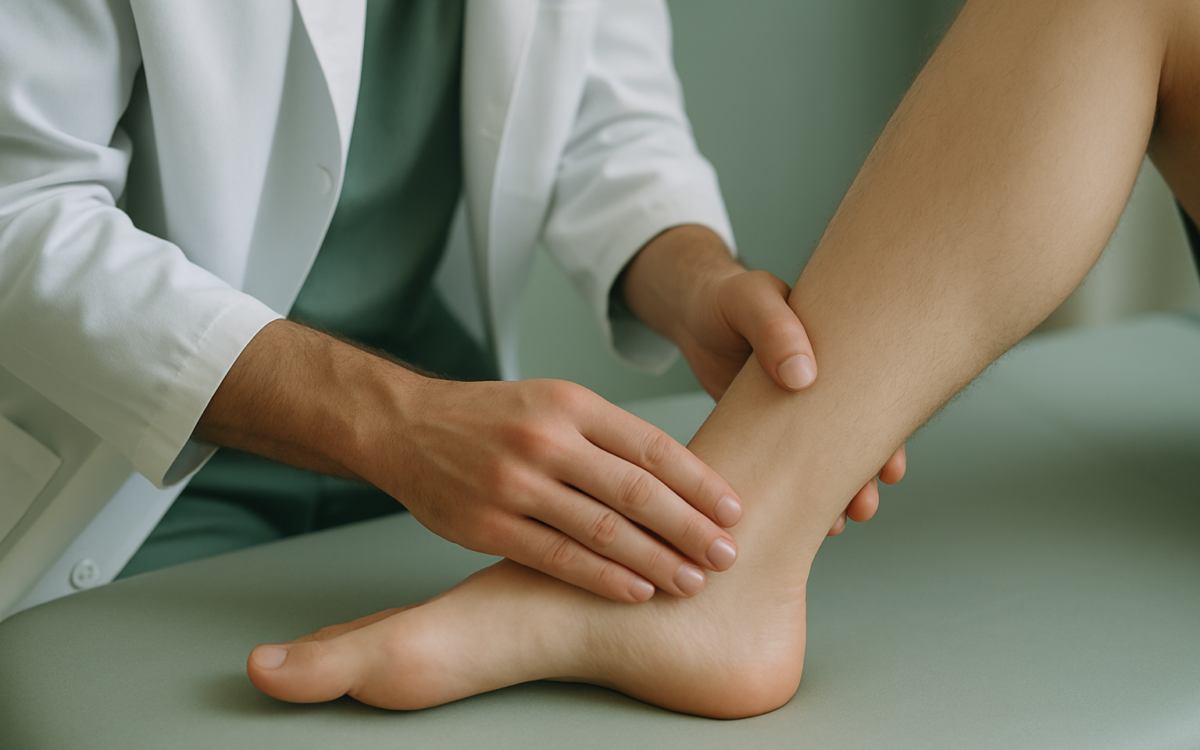
The peroneus tertius is a lesser-known muscle of the leg, but it plays a critical role in our daily movement. Located on the outer side of the lower leg, this muscle helps with different foot functions, particularly during walking and running. Understanding this muscle can help us appreciate how our bodies work, and why knowing about it can be beneficial for our overall foot health.
What is the Peroneus Tertius?
The peroneus tertius is a small muscle located in the front of the lower leg, adjacent to the larger peroneus longus and peroneus brevis muscles. It is usually considered a part of the anterior compartment of the leg. Its main function is to assist in dorsiflexion—lifting the foot up toward the shin— and eversion, which involves turning the sole of the foot outward. While it may not be present in everyone, it’s essential for specific movements and can be particularly important for certain athletes.
Anatomy and Function
The peroneus tertius originates from the distal part of the fibula, the smaller bone in the lower leg, and inserts into the fifth metatarsal bone of the foot. This unique placement allows it to play an essential role in stabilizing the foot and ankle during motion. When the muscle contracts, it not only helps lift the foot during walking but also helps prevent ankle sprains by controlling the foot’s position when it hits the ground.
Why is it Important for Athletes?
For athletes, the peroneus tertius can be a game changer. It helps prevent injuries during sports that require quick lateral movements, like soccer or basketball. Athletes extensively rely on this muscle to maintain balance and stability, especially when stopping, changing direction, or jumping. Not having this muscle can hinder an athlete’s performance, as it plays a role in maintaining ankle stability. According to the National Institutes of Health, recognizing the muscles’ roles in athletic performance can lead to better training programs and more effective injury prevention strategies.
Peroneus Tertius Variability and Its Implications
Interestingly, the peroneus tertius is not universally present in all individuals. Research shows that it may be absent in a significant percentage of the population. Understanding this variability is essential, especially for healthcare providers analyzing foot and ankle function. Some studies indicate that those without it might compensate through other muscles, which can lead to different biomechanical outcomes. Therefore, assessing each individual’s anatomy can inform personal care in physical therapy and rehabilitation programs.
Global Perspectives on Treatment
In an increasingly interconnected world, approaches to treating conditions related to the peroneus tertius can vary significantly. Countries like Turkey are advancing in their healthcare innovations, focusing on unique therapeutic techniques and muscle rehabilitation strategies that include understanding the peroneus tertius’ role. If you’re seeking specialized treatment options, acibademinternational.com offers various resources and insights into international healthcare practices that could provide additional information on managing muscular issues.
Common Injuries and Conditions
Like any muscle, the peroneus tertius can be susceptible to injuries, especially in active individuals. Muscle strains can occur, particularly if the foot is forced unexpectedly in a direction it is not accustomed to. Symptoms might include localized pain on the outer foot and difficulty in walking or running. Furthermore, conditions like tendonitis can also affect the peroneus tertius, leading to inflammation and pain. Understanding when pain might signal an underlying problem can be crucial for effective treatment.
When to See a Doctor
If you experience persistent pain or unusual weakness in your foot or ankle area, it is wise to consult a healthcare provider. It’s especially important if you notice swelling, bruising, or if you have difficulty walking. Early intervention can lead to better outcomes and prevent further complications.
In conclusion, the peroneus tertius, while a smaller muscle, holds great significance in our ability to move efficiently. Grasping its function and potential injuries can enhance our understanding of overall leg health and encourage better practices in movement and care.
