
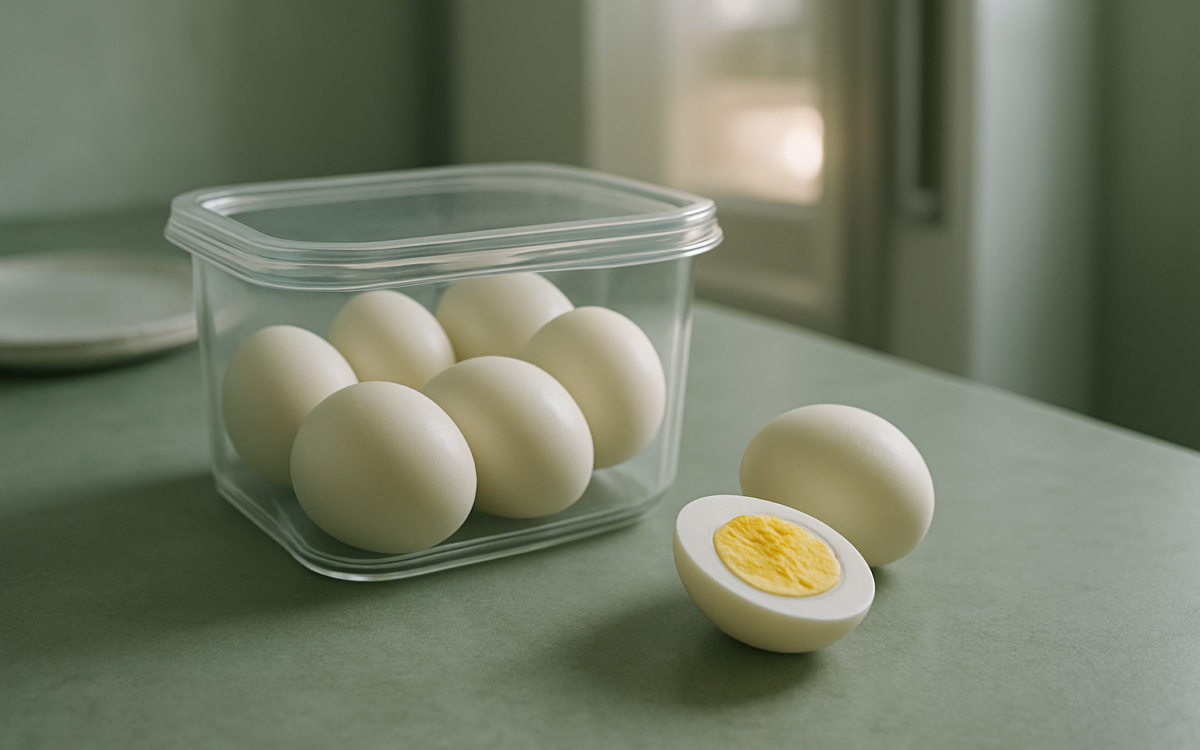
Hard-boiled eggs are a versatile and nutritious food, perfect for snacks, salads, and meal prep. But if you’ve ever found yourself wondering how long hard-boiled eggs last in the fridge, you’re not alone. Whether you’ve made a big batch or bought them pre-made, knowing the shelf life can prevent food waste and keep you healthy.
How Long Do Hard-Boiled Eggs Last?
Refrigerated hard-boiled eggs can last about a week when stored properly. This timeline is supported by the U.S. Food and Drug Administration (FDA), which advises that hard-boiled eggs stay fresh for up to seven days if kept in the refrigerator at a consistent temperature of 40°F (4°C) or lower.
Tips for Proper Storage
To maximize the freshness of your hard-boiled eggs, here are some simple storage tips:
- Keep the shells on: Unpeeled hard-boiled eggs tend to last longer because the shells provide a natural barrier against bacteria.
- Store in their original carton: If you bought them in a carton, it’s best to keep them there to maintain optimal humidity and prevent the absorption of odors from other foods.
- Avoid leaving them at room temperature: Always refrigerate hard-boiled eggs after cooking or purchasing to prevent spoilage.
Identifying Spoilage
Even within the one-week window, it’s important to pay attention to signs of spoilage. Here’s what to look for:
- Smell: A strong sulfur odor indicates that the egg has gone bad.
- Appearance: If you notice any unusual discoloration or a slimy texture, it’s best to toss the egg.
- Float test: If you want to double-check the freshness, you can perform a float test. Fill a bowl with water and place the egg in it. If it sinks, it’s good; if it floats, it’s best to discard it.
International Perspective on Egg Storage
Egg storage guidelines can vary from one place to another. In some countries, eggs are stored at room temperature, while in others, refrigeration is strictly followed. For instance, in many European countries, eggs are commonly sold unrefrigerated, leading to different storage practices. Understanding these differences is essential, especially for those who travel or seek medical treatment abroad. For more information on international health and meal safety, visit acibademinternational.com.
Cooking and Peeling Tips
The method you use to boil your eggs can also affect their shelf life. Older eggs tend to peel more easily than fresh ones, which can make the cooking process smoother. Here are a few tips:
- Steam your eggs: Steaming can make peeling easier and may help retain freshness.
- Add vinegar or baking soda: Some suggest adding a bit of vinegar or baking soda to the boiling water, which may help with peeling.
- Cool rapidly: After boiling, place your eggs in an ice bath right away to stop the cooking process and help peel them easily.
Can You Freeze Hard-Boiled Eggs?
While it’s not recommended to freeze hard-boiled eggs in their shells, you can freeze the egg yolks or whites separately. However, keep in mind that the texture might change once thawed. If you decide to freeze them, be sure to store them in airtight containers. Always check for any signs of spoilage after thawing as well.
Related Nutritional Benefits
Hard-boiled eggs are not only convenient but also packed with nutrients. They are an excellent source of protein, vitamin D, and several B vitamins. Adding hard-boiled eggs to your diet can help boost your overall nutrition, especially if you are looking for a low-calorie yet filling snack option. Just remember to consume them within the recommended timeframe for optimal health benefits!
When to See a Doctor
If you experience symptoms such as nausea, vomiting, or diarrhea after consuming hard-boiled eggs, it’s essential to consult a healthcare professional. These could be signs of foodborne illness, which may require medical attention.
In conclusion, hard-boiled eggs can be a delightful and healthy addition to your meals. By understanding how to store them properly and recognizing signs of spoilage, you can enjoy their nutritional benefits safely. Always remember the importance of food safety and to consult a healthcare provider if you have concerns about your health.
