
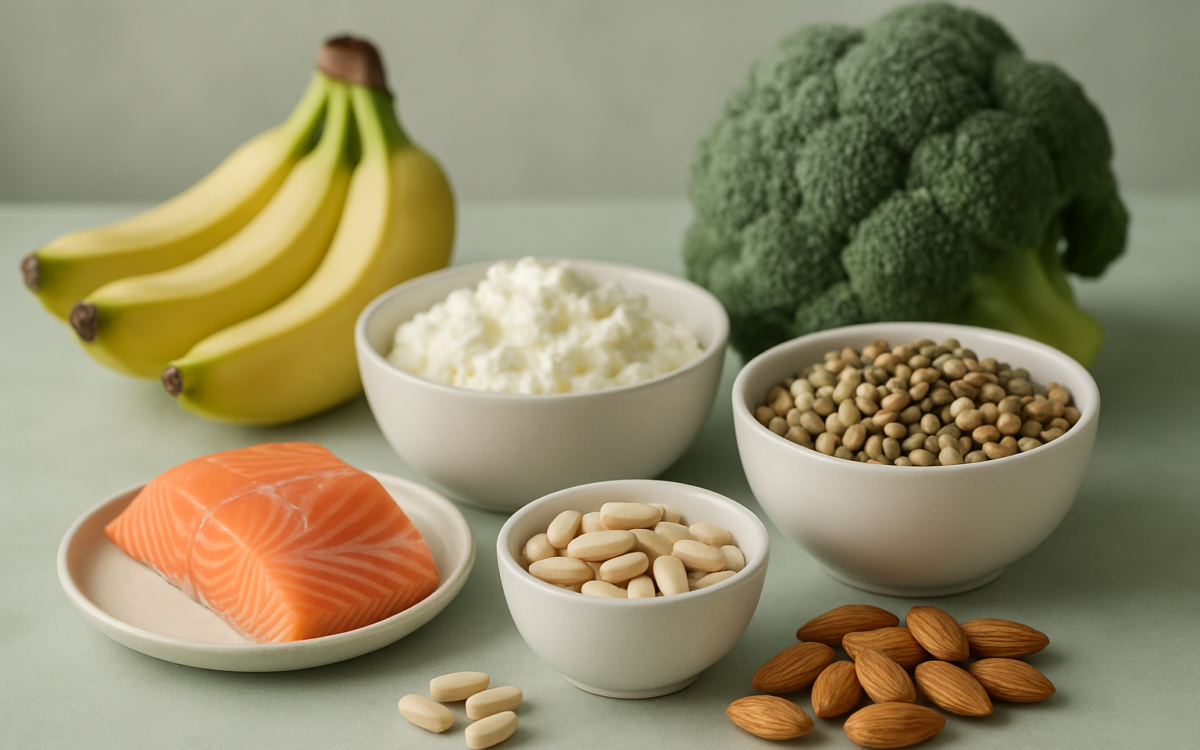
Lysine is an essential amino acid, meaning your body cannot produce it on its own. This vital nutrient plays a crucial role in various bodily functions, including protein synthesis, hormone production, and the absorption of calcium. Incorporating lysine-rich foods in your diet can help you maintain overall health and wellness. In this article, we’ll explore the benefits of lysine, list some of the best food sources, and provide tips on how to incorporate them into your diet.
What is Lysine?
Lysine is one of the nine essential amino acids that your body needs to function optimally. Unlike non-essential amino acids, which your body can produce, lysine must be obtained through your diet. It plays a crucial role in producing proteins that are necessary for tissue repair, hormone secretion, and immune function. Furthermore, lysine aids in the absorption of calcium, which contributes to bone health.
Health Benefits of Lysine
Including lysine in your diet offers several health benefits:
- Supports Immune Function: Lysine helps produce antibodies and enzymes that strengthen the immune system, which may help the body fend off infections.
- Aids in Calcium Absorption: This amino acid promotes the absorption of calcium in the intestines and helps in regulating calcium levels, contributing to bone health.
- Promotes Wound Healing: Lysine is vital for the production of collagen, a protein necessary for wound healing and tissue repair.
- May Help Reduce Anxiety: Some studies suggest that lysine may play a role in reducing anxiety levels by affecting serotonin levels in the body.
- May Prevent Cold Sores: Lysine has been shown in some research to inhibit the replication of the herpes simplex virus, which causes cold sores.
Top Foods Rich in Lysine
Now that you understand the importance of lysine, let’s look at some of the best food sources to consider incorporating into your diet:
1. Meat and Poultry
Animal products are rich sources of lysine.
- Chicken: Chicken breast is an excellent source, providing about 3 grams of lysine per 100 grams.
- Beef: Lean cuts of beef contain high levels of lysine, around 2.6 grams per 100 grams.
- Pork: Pork is also rich in lysine, with about 2.7 grams per 100 grams.
2. Fish and Seafood
Fish and seafood are also great sources of lysine.
- Salmon: A 100-gram serving of salmon provides approximately 2.2 grams of lysine.
- Tuna: Tuna is another excellent option, with around 2.7 grams per 100 grams.
- Sardines: Sardines offer about 2.2 grams of lysine per 100 grams.
3. Dairy Products
Dairy items are not only good sources of lysine but also provide calcium and other nutrients.
- Cheese: Parmesan and mozzarella cheese provide high levels of lysine — about 3 grams per 100 grams.
- Yogurt: Regular yogurt contains around 1 gram of lysine per cup.
- Milk: A cup of milk has roughly 0.9 grams of lysine.
4. Plant-Based Sources
While animal products are typically higher in lysine content, several plant-based foods can also contribute to your lysine intake.
- Legumes: Lentils and chickpeas are excellent choices, offering about 0.6-1 gram of lysine per 100 grams.
- Quinoa: This grain contains around 0.5 grams of lysine per cooked cup.
- Nuts and Seeds: Foods like peanuts and pumpkin seeds contain some lysine, though their levels are lower than animal products.
5. Whole Grains
Incorporating whole grains into your diet can also help boost lysine intake, though they are not as rich in lysine as other sources.
- Oats: A 100-gram serving of oats contains approximately 0.3 grams of lysine.
- Buckwheat: An excellent choice for lysine, it provides around 0.6 grams per 100 grams.
How to Incorporate More Lysine Foods into Your Diet
Enhancing your diet with lysine-rich foods is relatively simple. Here are some tips:
- Combine different sources: Pair legumes with grains to create a well-rounded meal. For example, rice and beans make a nutritious dish.
- Snack smart: Choose yogurt or cheese for a healthy snack. Nuts can also be a satisfying option, but remember to select varieties that aren’t heavily salted or processed.
- Flavor with fish: Include fish in your meals 1-2 times a week. It can be grilled, baked, or included in salads.
- Prepare whole grains: Start your day with oatmeal or incorporate quinoa and barley into your lunch or dinner to increase lysine intake.
Understanding how to balance your lysine intake with your dietary choices can promote better health and well-being.
When to See a Doctor
If you are experiencing symptoms such as frequent infections, slow wound healing, or other unusual health changes, it may be a good idea to consult your healthcare provider. They can help assess your dietary intake and determine if you might benefit from additional lysine or other nutritional support.
For more information about lysine and dietary needs, consider visiting reputable sources like the NIH or the Mayo Clinic.
Conclusion
Lysine is an essential amino acid that plays important roles in your body, from supporting immunity to enhancing calcium absorption. Including a variety of lysine-rich foods in your diet can help support your health. Whether you’re a meat-eater or following a plant-based lifestyle, there are plenty of delicious ways to ensure you are getting enough lysine. Remember that maintaining a balanced and varied diet is the best way to meet your nutritional needs.
