
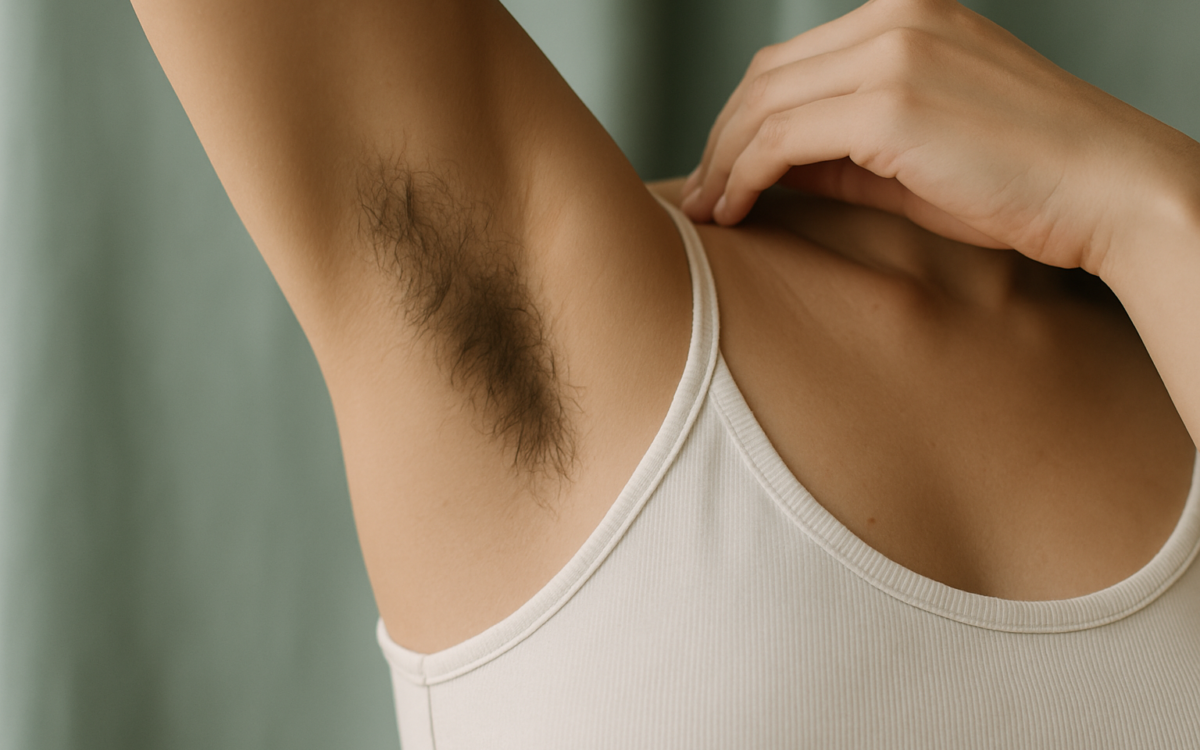
Armpit hair is more than just a byproduct of puberty; it’s a feature of human anatomy that has various social, cultural, and health implications. While many people are familiar with the typical cycles of hair growth, the decisions surrounding armpit hair can often be influenced by personal choice, societal norms, and hygiene considerations. Understanding these factors can help individuals make informed choices about their own grooming routines.
The Biology of Armpit Hair
Hair grows in cycles, with three stages: the anagen (growth), catagen (transition), and telogen (resting) phases. Armpit hair typically begins to grow during puberty due to hormonal changes in the body. This hair serves various biological purposes, including providing some insulation and moisture-wicking properties, which can be useful in reducing friction during arm movement.
Cultural Perspectives on Armpit Hair
Different cultures have varied views on body hair, including armpit hair. In some cultures, it is embraced as a natural part of human anatomy, while in others, there are significant pressures to remove it. For example, Western media often promotes smooth, hairless skin, influencing many to view armpit hair removal as the norm. In contrast, some movements encourage people to celebrate their natural bodies, leading to a resurgence of armpit hair acceptance.
Hygiene and Health Considerations
There are health and hygiene considerations related to armpit hair that are worth discussing. Regular washing of the underarm area is key to preventing body odor, which can sometimes be exacerbated by hair. Armpit hair can trap sweat and bacteria, leading to increased odor in some individuals. However, the relationship between armpit hair and hygiene is not straightforward; personal hygiene practices play a much more significant role in odor management.
Some people may wonder if removing armpit hair can improve hygiene. According to a study published in the National Institutes of Health, there’s no direct correlation between hair removal and significantly better hygiene, provided individuals maintain good washing habits. Ultimately, the choice to remove armpit hair should be based on personal preference rather than health necessity.
Popular Hair Removal Methods
If you choose to remove armpit hair, there are various methods to consider:
- Shaving: The most common method; it’s quick and relatively pain-free, but may lead to irritation or ingrown hairs.
- Waxing: Removes hair from the root, resulting in smoother skin for longer periods. However, it can be painful and may cause redness or irritation.
- Depilatory Creams: Chemical products that dissolve hair, which can be easy to use but may cause allergic reactions in sensitive skin.
- Laser Hair Removal: A more permanent option, requiring multiple sessions, helps reduce hair growth significantly.
Each method has its pros and cons, and the best choice really depends on personal comfort and skin sensitivity.
Body Image and Self-Expression
How one feels about their body hair can greatly affect self-esteem and body image. For some, the decision to keep or remove armpit hair can be a form of self-expression, aligning with their personal, ethical, or feminist beliefs. For others, particularly influenced by societal standards, removing hair may be seen as a way to conform to beauty norms.
Ultimately, embracing a positive body image involves accepting one’s choices. Conversations surrounding body hair, including armpit hair, can empower individuals to make choices that reflect their values rather than societal pressures.
Tips for Armpit Hair Care
If you decide to keep your armpit hair, some basic care tips can help you maintain healthy skin:
- Regular Cleaning: Clean the area with soap and water to keep the skin healthy.
- Moisturizing: Apply a gentle moisturizer to prevent dryness and irritation.
- Skin Monitoring: Regularly check for any changes in the skin, such as irritation or unusual bumps.
Regardless of your grooming choices, ensuring that your skin remains healthy is paramount.
When to See a Doctor
If you notice any unusual changes in your armpit area—such as persistent pain, severe irritation, or abnormal growths—it’s best to consult a healthcare professional. Conditions such as folliculitis, hidradenitis suppurativa, or other skin issues may require medical attention. As always, keeping an open line of communication with your healthcare provider ensures that you can make informed choices about your health and body.
In conclusion, armpit hair is a natural part of the human body, steeped in cultural significance, personal choice, and hygiene considerations. Whether to keep or remove armpit hair is a highly personal decision influenced by a variety of factors. Understanding these aspects can help individuals navigate their grooming choices with confidence and comfort.
