
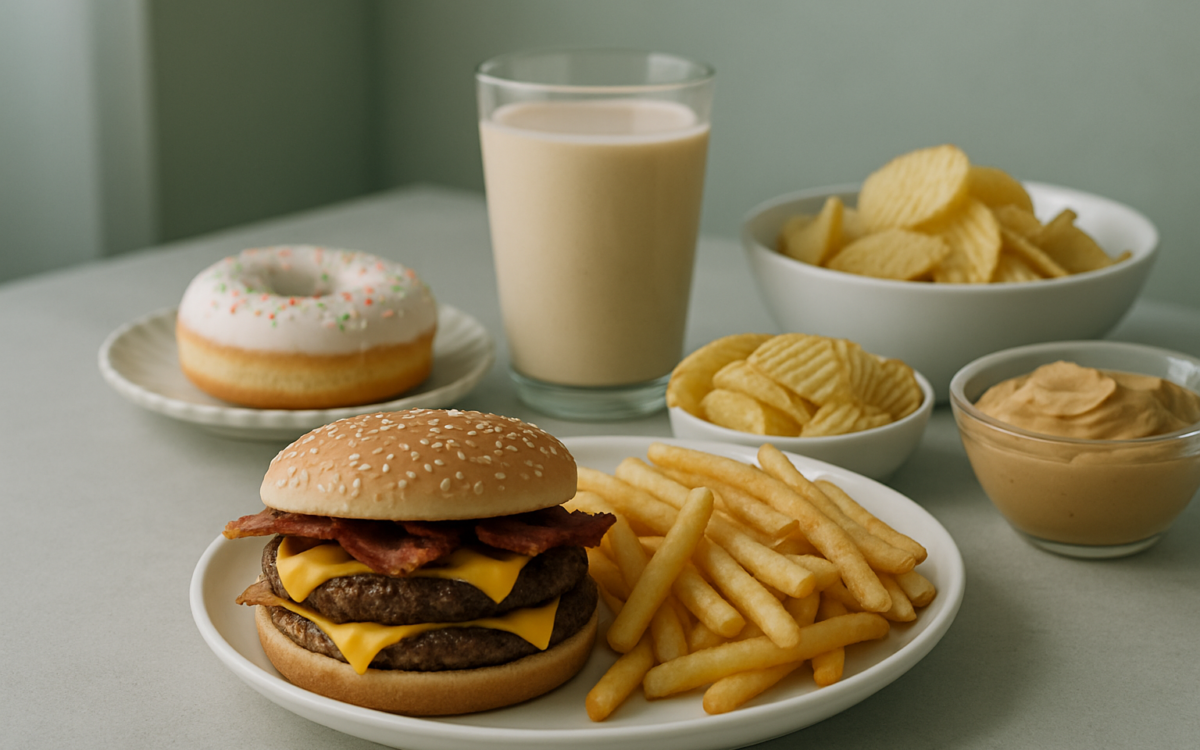
When it comes to nutrition, understanding calorie content is crucial. Especially for those looking to gain weight, build muscle, or fuel intense physical activity, knowing about high-calorie foods and how they fit into your overall diet can make a significant difference. In this article, we’ll explore what constitutes high-calorie foods, their benefits, and how to incorporate them healthfully into your lifestyle.
What are High-Calorie Foods?
High-calorie foods are those that provide a significant amount of energy in a small serving size. These foods are often energy-dense, meaning they contain more calories compared to their weight than other foods. These can be beneficial for people with higher energy needs, such as athletes or those recovering from illness. However, it’s important to balance high-calorie foods with nutrient-dense options to maintain overall health.
Examples of Highest Calorie Foods
Here are some categories of high-calorie foods that are often recommended:
Nuts and Seeds
Nuts and seeds are excellent sources of healthy fats, protein, and essential vitamins. For example:
- Walnuts: About 654 calories per 100 grams
- Almonds: Approximately 575 calories per 100 grams
- Chia Seeds: Around 486 calories per 100 grams
These options are not just calorie-dense; they also provide beneficial nutrients and can help promote heart health.
Oils and Fats
Cooking oils and fats can significantly increase the calorie content of meals. While they need to be used in moderation, they are also rich in flavor. Notable examples include:
- Olive Oil: About 884 calories per 100 grams
- Coconut Oil: Approximately 862 calories per 100 grams
- Butter: Around 717 calories per 100 grams
Using these sparingly in cooking can enrich dishes and provide necessary fats for energy.
Dried Fruits
Dried fruits are concentrated sources of calories and nutrients, perfect for energy on the go. Examples include:
- Dates: Roughly 277 calories per 100 grams
- Raisins: Approximately 299 calories per 100 grams
- Apricots: Around 241 calories per 100 grams
They can make a healthy snack or be added to various dishes for sweetness and calories.
Benefits of Incorporating High-Calorie Foods
Including high-calorie foods in your diet can offer several benefits:
- Weight Gain: For individuals needing to gain weight, these foods provide an easy method without having to consume large volumes.
- Muscle Building: Athletes may require additional calories to support muscle growth and recovery, making high-calorie foods beneficial.
- Energy Boost: Foods high in healthy fats and proteins can provide sustained energy, vital for vigorous activities or busy days.
Nevertheless, it’s essential to choose wisely to ensure these calories come from nutritious sources.
When to Consider High-Calorie Foods
While high-calorie foods can offer various advantages, they might not be suitable for everyone. Individuals who could benefit from high-calorie foods include:
- Athletes: Those with high energy requirements.
- Individuals with High Metabolism: Some people naturally burn calories faster and may need more to maintain weight.
- People Recovering from Illness: Those recovering may need extra calories to regain strength.
If you find yourself needing to increase calorie intake, high-calorie foods can be a great choice!
Balancing High-Calorie Foods with Nutrition
Despite the benefits, moderation is key when it comes to high-calorie foods. It is essential to strike a balance between living healthfully and enjoying the foods you love. Here are some tips:
- Pair Wisely: Combine high-calorie foods with nutrient-dense foods, such as fruits, vegetables, and whole grains.
- Watch Portions: Be mindful of serving sizes to avoid excessive calorie intake.
- Choose Quality: Select whole foods that provide vitamins, minerals, and antioxidants, not just empty calories.
When to See a Doctor
If you are considering making significant changes to your diet, especially if it involves increasing calorie intake, it’s wise to consult a healthcare professional. They can help ensure that your diet is balanced and suited to your unique health needs. Additionally, if you experience unexplained weight loss or other concerning symptoms, seek medical advice promptly.
In summary, high-calorie foods play a valuable role for many individuals, providing energy and essential nutrients. By understanding these foods and how to incorporate them wisely, you can enhance your nutrition and fuel your lifestyle effectively.
