
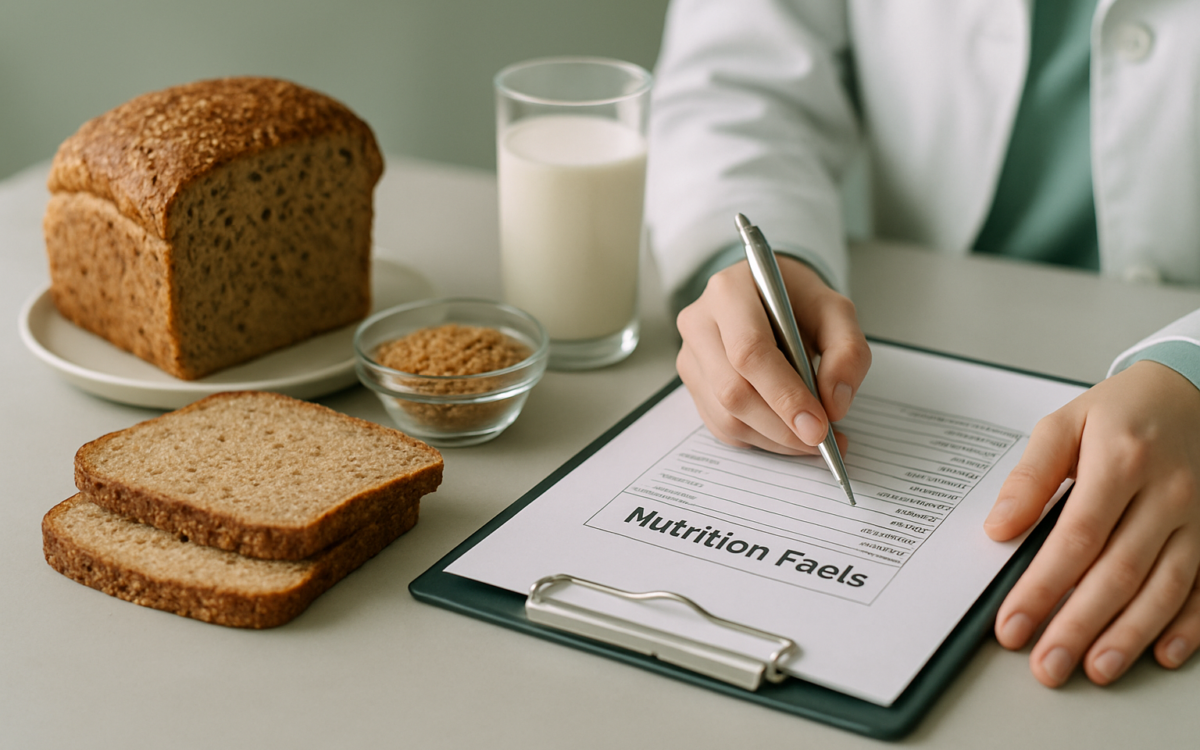
Ezekiel bread is more than just a trendy option on the health food scene; it carries a unique nutritional profile that sets it apart from traditional breads. Made from a combination of sprouted whole grains and legumes, it offers a plethora of health benefits. In this article, we will explore the nutrition facts of Ezekiel bread, what makes it special, and how to incorporate it into your diet.
What is Ezekiel Bread?
Ezekiel bread is named after a passage in the Bible that describes a recipe for making bread from various grains and legumes. Unlike regular bread, which is often made from refined flour, Ezekiel bread is crafted from sprouted grains such as wheat, barley, millet, lentils, and spelt. The sprouting process enhances the nutritional content of these grains, making them easier to digest and improving their flavor profile.
Nutritional Breakdown of Ezekiel Bread
When it comes to nutrition, Ezekiel bread stands out. Here’s a look at what you can typically find in a slice (approximately 28 grams):
- Calories: 80-100
- Carbohydrates: 15-18 grams
- Dietary Fiber: 3-6 grams
- Protein: 4-5 grams
- Fats: 0.5-1.5 grams
- Sugars: 0-1 gram
This nutritional profile indicates that Ezekiel bread is not only lower in calories compared to many standard loaves but is also higher in fiber and protein. Fiber is essential for digestive health and can help maintain a healthy weight by keeping you feeling fuller for longer. Protein is crucial for muscle repair and overall body functioning.
Health Benefits of Ezekiel Bread
Thanks to its unique ingredients, Ezekiel bread comes with several health benefits:
1. Improved Nutrient Absorption
The sprouting process increases the bioavailability of nutrients, meaning your body can absorb more vitamins and minerals. For example, sprouted grains have higher levels of vitamins B and C than their unsprouted counterparts. This can be beneficial for individuals looking to enhance their nutrient intake.
2. Enhanced Digestibility
Sprouted grains are easier to digest because the sprouting process breaks down phytic acid, a compound that can hinder nutrient absorption. This makes Ezekiel bread a good option for people with sensitive digestive systems.
3. Gluten-Friendly Alternatives
While Ezekiel bread is still made from wheat and therefore contains gluten, some brands offer gluten-free options made from sprouted gluten-free grains. Individuals with gluten intolerance or celiac disease should look for certified gluten-free Ezekiel bread alternatives. However, as with any gluten product, those with severe allergies should consult with a healthcare provider before trying.
Ezekiel Bread vs. Traditional Bread
When comparing Ezekiel bread to traditional bread, several key differences emerge:
- Nutritional Value: Ezekiel bread typically contains more protein and fiber than white bread, making it a more filling and nutritious choice.
- Ingredients: Traditional breads often use refined flours that can be low in nutrients. Ezekiel bread, on the other hand, uses whole grains and legumes, maximizing its nutritional content.
- Glycemic Index: Ezekiel bread has a lower glycemic index than many traditional breads, meaning it can help regulate blood sugar levels.
These differences can make a significant impact on your overall health and nutrition, especially if you’re looking to make healthier dietary choices.
How to Enjoy Ezekiel Bread
Incorporating Ezekiel bread into your diet can be both easy and delicious. Here are some ideas:
- Toast it: Perfect for breakfast, top it with avocado, nut butter, or a poached egg.
- Make sandwiches: Use it as a base for sandwiches filled with lean proteins, fresh vegetables, and your favorite spreads.
- As a side: Serve it alongside soups and salads for a hearty addition to your meal.
- Pancakes or French Toast: Use it to create healthful versions of these classic breakfast dishes.
Experiment with different toppings and fillings to find combinations you enjoy!
Buying and Storing Ezekiel Bread
You can find Ezekiel bread in many health food stores, some supermarkets, or through online retailers. When purchasing, look for brands that emphasize minimal processing and natural ingredients.
Since Ezekiel bread is preservative-free, it’s essential to store it properly. Keep it in the refrigerator or freezer to extend its shelf life. This will also maintain its flavor and texture.
When to See a Doctor
If you’re considering adding Ezekiel bread to your diet, particularly if you have dietary restrictions or health conditions such as gluten intolerance, it may be wise to consult with a healthcare provider or a registered dietitian. They can provide personalized advice based on your unique needs and help you make informed choices.
Conclusion
Ezekiel bread offers a nutritious, flavorful alternative to traditional bread. With its high protein and fiber content, as well as its enhanced digestibility, it’s an excellent addition to a balanced diet. Whether you’re looking for a healthier bread option or simply want to explore new flavors, Ezekiel bread is worth considering. As always, be sure to listen to your body and consult with a healthcare professional when making significant dietary changes.
