
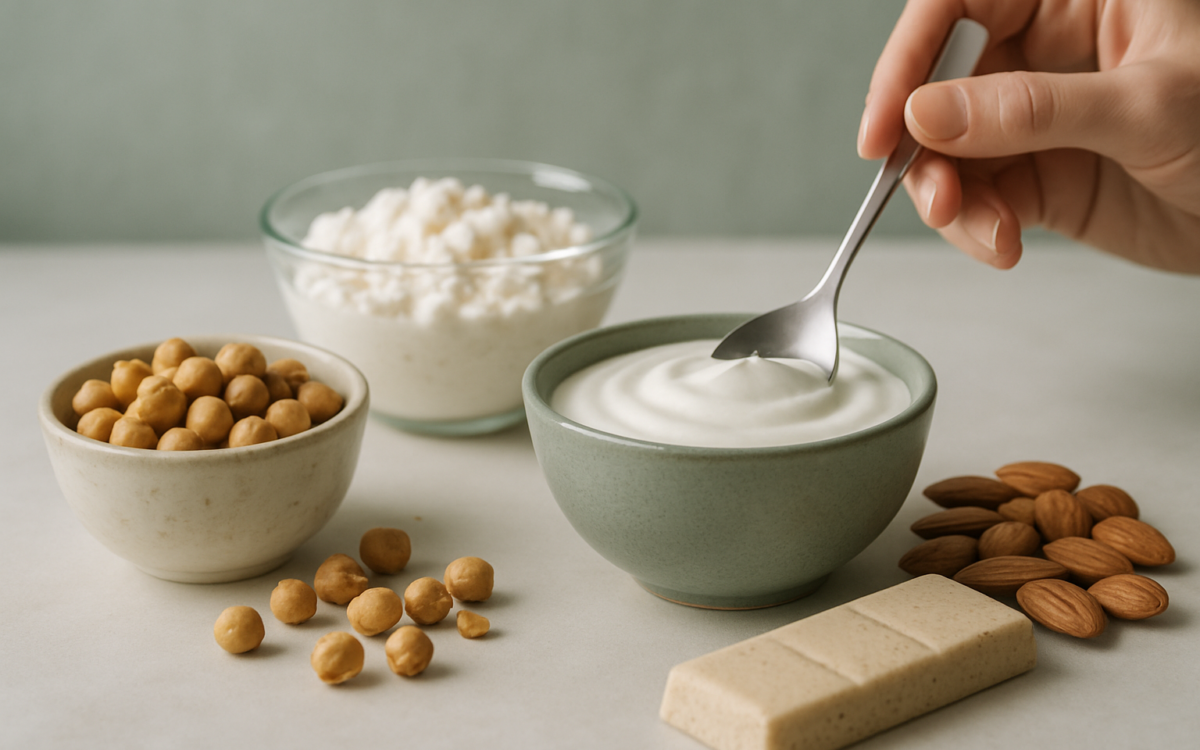
Snacks can be a crucial part of a balanced diet, especially when you choose options that provide energy and nutrients. Good protein snacks are not only delicious but also help keep you full between meals. Whether you’re looking to refuel after a workout, stave off hunger at your desk, or simply enjoy something tasty, incorporating protein into your snacks can make a big difference.
Why Choose Protein Snacks?
Protein is one of the essential macronutrients that your body needs for growth, repair, and energy. When you include protein in your snacks, it helps to:
- Control hunger levels: Protein can keep you feeling full longer than snacks high in carbohydrates.
- Support muscle health: Consuming protein assists in muscle recovery and growth, making it important for active individuals.
- Stabilize blood sugar: Protein can help maintain steady energy levels by preventing blood sugar spikes and crashes.
Including good protein snacks in your diet can also play a role in weight management and overall health. As the National Institutes of Health (NIH) suggests, an adequate intake of protein is crucial for muscle health and overall wellbeing.
Examples of Good Protein Snacks
Now that we understand the benefits, let’s explore some easy and tasty protein snacks you can enjoy:
1. Greek Yogurt with Fruit
Greek yogurt is a fantastic source of protein, packing around 20 grams per cup. It’s creamy, versatile, and can be combined with a variety of toppings. Add fresh fruit for natural sweetness and extra vitamins, or sprinkle some nuts or seeds for an added crunch.
2. Cottage Cheese and Pineapple
Cottage cheese is another dairy option that is rich in protein, containing about 25 grams per cup. Pair it with pineapple or other fruits for a refreshing snack. This combination provides a good balance of protein and carbohydrates.
3. Hummus and Veggies
Chickpeas are the main ingredient in hummus, making it a protein-packed dip. Serve hummus with your favorite vegetables, such as carrots, bell peppers, or cucumbers. This makes for a satisfying snack that’s also high in fiber.
4. Nut Butter on Whole Grain Toast
Nut butters such as almond or peanut butter are great sources of protein and healthy fats. Spread a tablespoon on whole-grain toast for a quick snack that will fuel you up. Add banana slices or a sprinkle of chia seeds for added nutrition.
5. Hard-Boiled Eggs
Hard-boiled eggs are a classic protein snack, with around 6 grams of protein each. They are easy to prepare in advance and can be eaten on their own or sliced into salads. Consider seasoning them with a little salt and pepper or your favorite spice for extra flavor.
Protein Snack Bars: A Convenient Option
If you’re on the go, protein snack bars can be a convenient and portable option. When selecting bars, look for those with a high protein content and minimal added sugars. Ingredients to watch for include:
- Natural protein sources like nuts, seeds, or protein powder.
- Whole grains for added fiber.
- Minimal artificial ingredients and sweeteners.
However, be mindful that not all protein bars are created equal. Some might be more like candy bars than health snacks. Always read the nutrition label to ensure you make a healthy choice.
Snacking Smart: Portion Control
While protein snacks are beneficial, portion control remains essential. It’s easy to overeat even healthy snacks. Here are a few tips to avoid that:
- Measure your portions ahead of time.
- Keep snacks in single-serving containers.
- Pair your protein snacks with fruits or vegetables for a balanced choice.
Listening to your hunger cues can also help maintain a healthy snack routine. Trust your body’s signals to understand what it needs.
The Role of Protein in Your Overall Diet
Incorporating good protein snacks can enhance your overall diet, but it’s important to focus on a balanced intake of all macronutrients: carbohydrates, fats, and protein. The World Health Organization (WHO) emphasizes that a diversified diet contributes to overall health and well-being (WHO).
Aiming for a variety of protein sources—such as lean meats, dairy, legumes, and plant-based options—will help ensure you get a broad range of nutrients. Discuss with a healthcare provider or a dietitian about how to personalize your protein needs.
When to See a Doctor
If you have specific health concerns, such as dietary restrictions or allergies, or conditions that affect your nutrient absorption, consult a doctor or nutrition expert. They can provide tailored advice based on your individual needs and health goals.
Conclusion
Finding good protein snacks that fit your lifestyle is essential for staying energized and satisfied. With plenty of delicious options available, it’s easier than ever to make healthy snacking choices. Consider incorporating some of the ideas mentioned above to enhance your diet and enjoy the benefits of protein snacks throughout your day. Remember, a balanced approach to snacking contributes to a healthier you!
