
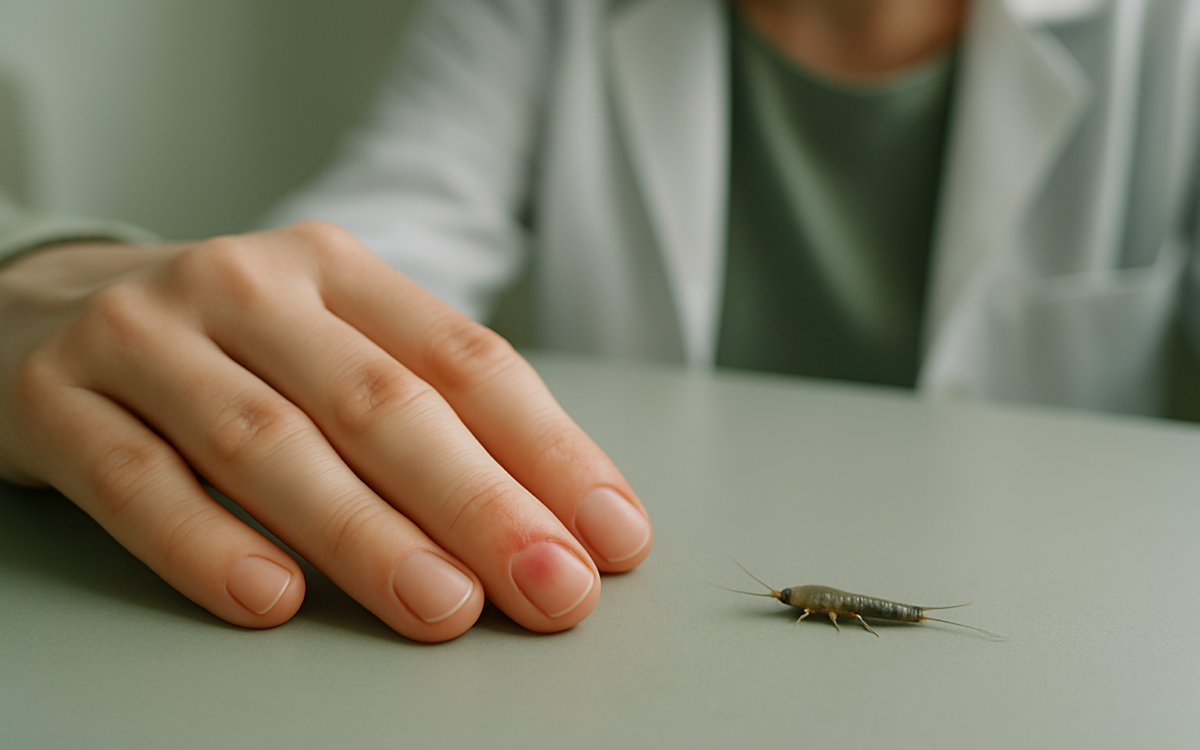
If you’ve ever seen a silverfish scurrying across your floor, you might wonder what these creepy crawlers are all about. Silverfish are small, wingless insects that are often found in damp, dark areas of your home. While they might give you a fright when they dart across the room, many people have questions about whether these insects can bite and if they are harmful to humans.
What Are Silverfish?
Silverfish are part of a group of insects known as Thysanura. They are recognizable by their silver-gray color, elongated bodies, and distinct, fish-like movements. Typically, they measure about 1/2 to 1 inch in length and have a flat, tapered shape. Silverfish thrive in humid environments and are often found in basements, bathrooms, and kitchens. They have a diet primarily consisting of carbohydrates, which makes them particularly fond of materials like paper, glue, and fabrics.
Do Silverfish Bite Humans?
The short answer is no; silverfish do not bite humans. While they have mouthparts capable of chewing, silverfish primarily feed on starches and proteins found in plant material. Their diet does not include human flesh, and they do not exhibit aggressive behavior towards people. Unlike some other pests, silverfish are not known to bite as a defensive mechanism or a means of obtaining food.
Are Silverfish Harmful?
Although silverfish do not bite, their presence in your home can still be concerning. They feed on various household materials, leading to potential damage over time. Here are some of the issues that may arise:
- Damage to Books and Papers: Silverfish are fond of paper products, especially those that contain starch. They can create unsightly holes in books, magazines, and important documents.
- Textile Damage: Fabrics can also become victims of silverfish munching. They can ruin clothing stored in closets, particularly items made from cotton, wool, or silk.
- Unpleasant Odor: A significant infestation of silverfish can lead to an musty odor in the home, which can be unpleasant for inhabitants.
If you are noticing silverfish in your home, it is a good idea to take action to reduce their population.
Signs of a Silverfish Infestation
Recognizing the signs of a silverfish infestation can help you catch the problem early. Here are some common indicators to watch for:
- Seeing Silverfish: The most obvious sign is the presence of silverfish themselves. They usually come out at night, so you may spot them when the lights are dim.
- Damaged Items: Look for signs of damage in books, papers, and clothing. Small holes or irregular patterns in these materials can indicate silverfish activity.
- Feces: Silverfish droppings are small, black, and similar in appearance to pepper or tiny black pellets. Finding these can suggest they are in your home.
How to Prevent Silverfish Infestations
Preventing a silverfish infestation is often simpler than dealing with one. Here are some strategies to keep these pests at bay:
- Keep Things Dry: Since silverfish thrive in humid environments, reducing moisture in your home is key. Use dehumidifiers in basements and bathrooms and ensure that vents and pipes are functioning properly.
- Seal Cracks and Gaps: Inspect your home for any cracks or gaps where silverfish might enter. Sealing these can help keep them out.
- Store Food Properly: Keep food in airtight containers, and be sure to clean up any spills or crumbs promptly.
- Regular Cleaning: Frequent cleaning can minimize hiding spots for silverfish. Pay special attention to dark and damp areas, such as under sinks and behind appliances.
What to Do If You Find Silverfish
If you do come across silverfish in your home, here are some helpful steps you can take:
- Vacuum Regularly: Use a vacuum cleaner to remove silverfish and their eggs from your home. Pay attention to corners, baseboards, and areas where you have seen them.
- Use Traps: Commercial silverfish traps can effectively catch these pests. Place them in areas where you’ve noticed silverfish activity.
- Consult a Professional: If you have a strong infestation or are uncomfortable handling it yourself, consider speaking with a pest control professional who can provide more effective methods of eradication.
When to See a Doctor
While silverfish do not pose a direct health risk through bites, it’s important to pay attention to your living environment. If you find that you are experiencing allergic reactions, respiratory issues, or other health problems that seem related to dampness or pests in your home, consider consulting a healthcare professional. They can assess your situation and recommend appropriate actions to take.
Conclusion
Understanding silverfish is key to managing and preventing their presence in your home. While they don’t bite and are not harmful in a health sense, their activity can lead to discomfort and household damage. By taking preventative measures and recognizing the signs of an infestation, you can keep these pesky pests at bay and ensure a more pleasant living environment.
