
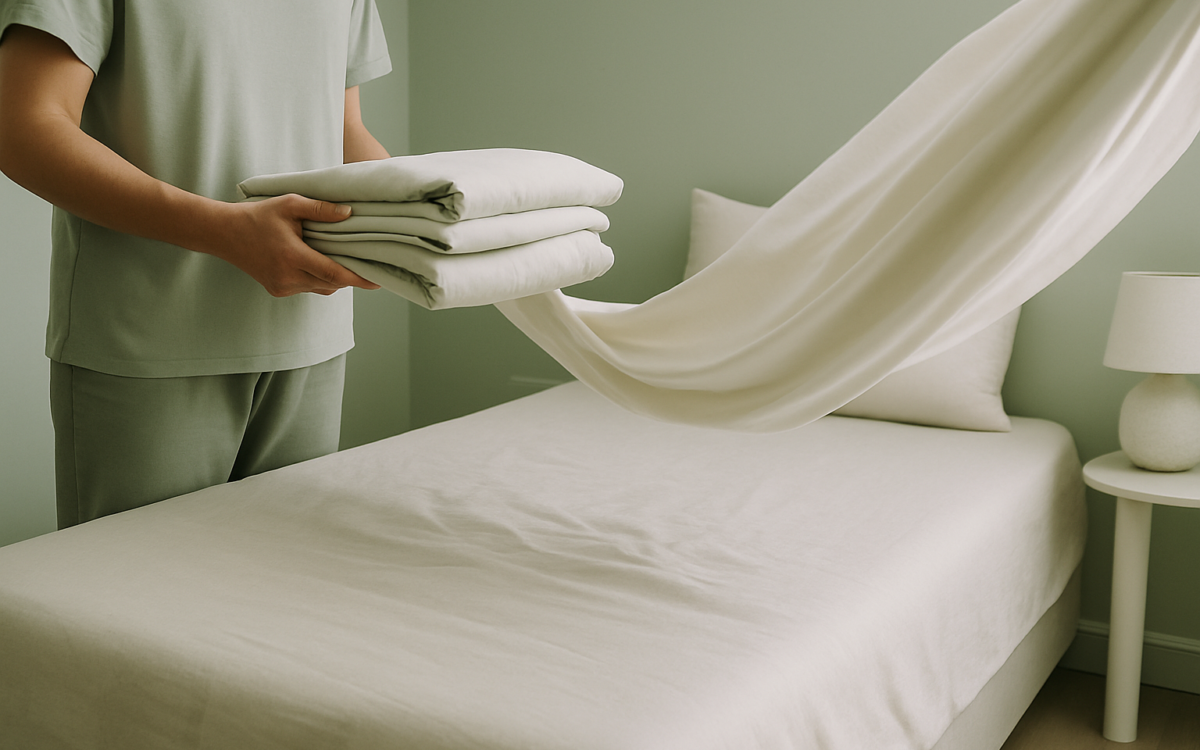
When was the last time you changed your sheets? If you’re not sure, you might not be alone. Most people view changing sheets as a chore, often postponing it longer than they should. But did you know that how often you change your sheets can significantly affect your health, comfort, and sleep quality? In this article, we’ll explore why it’s crucial to maintain a regular sheet-changing schedule and provide you with practical tips to make it easier to keep your sleeping space clean.
The importance of clean sheets
Clean sheets are more than just a luxury; they play a vital role in personal hygiene and overall well-being. Over time, sheets can accumulate a variety of substances, including:
- Dead skin cells
- Body oils
- Pet dander
- Dust mites
- Pollen and other allergens
- Food crumbs and spills
This buildup can lead to skin irritation, allergic reactions, and a decline in the quality of your sleep. Experts suggest that keeping your bed clean is important for your health, as excessive dirt and allergens can worsen conditions like asthma or eczema. According to the National Institutes of Health, maintaining a clean sleeping environment supports better respiratory health and overall sleep quality.
How often should you change your sheets?
The general recommendation for changing sheets is once every one to two weeks. However, factors such as personal hygiene and lifestyle can influence how often you should wash them. Here’s a breakdown:
1. Personal hygiene
If you shower before bed and wear clean pajamas, you might be fine changing your sheets every two weeks. But if you tend to sweat at night, have oily skin, or rarely shower before sleeping, consider washing your sheets weekly.
2. Allergies and health conditions
If you suffer from allergies or health conditions like asthma, it’s wise to change your sheets weekly. Dust mites thrive in bedding, and their waste products are a common allergen. To reduce exposure, the Centers for Disease Control and Prevention (CDC) recommends more frequent washing of sheets and pillowcases.
3. Pets and kids
If you share your bed with pets or young children, you may need to change your sheets more often. Pets can introduce dirt and dander, while kids might bring crumbs or spills. In these cases, a weekly wash could be the best option.
Washing your sheets: Best practices
To maximize cleanliness and maintain the quality of your sheets, follow these best practices when washing:
- Use hot water: Washing sheets in hot water (around 130°F or higher) helps to kill dust mites and bacteria.
- Choose a gentle detergent: Select laundry detergents that are free of dyes and fragrances to avoid skin irritation.
- Dry properly: Use a dryer on medium or high heat to ensure sheets are thoroughly dried, as moisture can promote mold growth.
- Consider fabric type: Different fabrics may have specific washing instructions, so check the tags on your sheets. Cotton sheets, for example, are typically durable and can withstand regular washing.
- Revive freshness: If your sheets don’t smell fresh after washing, consider adding a cup of white vinegar to the rinse cycle to help remove odors.
Beyond sheets: Other bedding items to consider
While changing your sheets is crucial, don’t forget about other bedding items that also need attention:
Pillowcases
Pillowcases should be washed weekly since they are in direct contact with your face, collecting oils and dirt.
Blankets and comforters
These should typically be washed every month or two, but consider washing them more frequently if you use them while eating or have pets. Make sure to check care labels for specific instructions.
Mattress protectors
If you have a mattress protector, aim to wash it every month to keep your mattress free from allergens and stains.
Signs that you need to wash your bedding
Not everyone has a set schedule for changing sheets, so here are some signs that it’s time to do laundry:
- Unpleasant odors
- Visible stains or spills
- Feeling itchy or irritated after sleep
- Allergy symptoms worsening
- If you see any signs of pests, such as bed bugs or dust mites
Listening to your body and being aware of your living environment can guide you on when to take action.
When to see a doctor
If you notice persistent skin irritation, worsening allergies, or respiratory issues associated with your bedding or living environment, consult a healthcare professional. It’s essential to rule out other potential health concerns or allergies that may require treatment.
Conclusion
Maintaining a regular schedule for changing your sheets is essential for hygiene, comfort, and overall health. By being aware of how often to wash your sheets and following best practices, you can help create a better sleeping environment. So, take a moment to check the last time you changed your sheets, and don’t hesitate to refresh your bedding today!
