
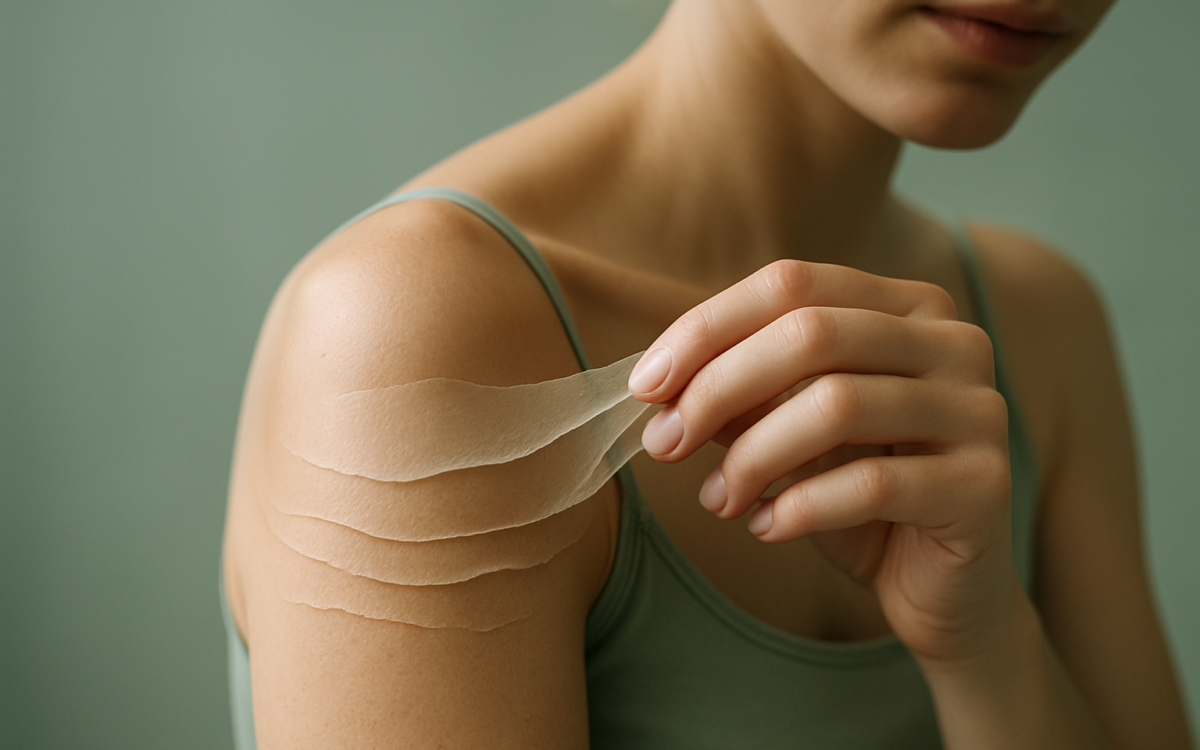
When it comes to achieving healthy, radiant skin, the concept of layering can often be overlooked. Layering skin products effectively can help your skin stay hydrated, protect against environmental stressors, and create a beautiful, natural glow. In this article, we will explore the fundamental principles of skin layering, including what products to use and how to apply them for the best results.
Understanding Your Skin Layers
To master the art of layering skin, it’s crucial to understand the basic structure of your skin. Your skin has three primary layers: the epidermis (the outer layer), the dermis (the middle layer), and the hypodermis (the innermost layer). Each layer has distinct functions and requires different types of care.
- Epidermis: This outer layer acts as a barrier to protect against bacteria, UV rays, and other environmental factors. Products that address concerns like dryness, sensitivity, and pigmentation primarily target this layer.
- Dermis: This layer contains collagen and elastin, which provide skin with support and elasticity. Hydrating substances reach this layer to improve overall skin texture.
- Hypodermis: Also known as subcutaneous tissue, this innermost layer stores fat and helps with temperature regulation.
By recognizing the significance of these layers, you can better choose products that penetrate deep into your skin and provide lasting benefits.
The Basic Steps of Layering Skin
To create an effective skincare regimen based on layering, it’s essential to follow a structured approach. Here’s a simple step-by-step guide:
1. Cleansing
Start with a gentle cleanser to remove dirt, oil, and makeup from your skin. Look for formulas that suit your skin type. For example, if you have oily skin, consider a gel-based cleanser, while cream cleansers are often better for dry skin.
2. Toning
Toners can help restore your skin’s natural pH balance and remove any residual impurities. Look for alcohol-free options that contain hydrating ingredients such as glycerin or rose water.
3. Serums
Serums are concentrated formulas aimed at specific skin concerns, such as dryness, dark spots, or fine lines. Apply a few drops on your palm, rub them together, and gently press them onto your face.
4. Moisturizing
A good moisturizer is essential for locking in hydration. Choose a lightweight gel for oily skin or a cream if your skin is dry. Be sure to apply it while your skin is still damp for better absorption.
5. Sun Protection
Finally, applying sunscreen is key to protecting your skin from UV damage. Opt for a broad-spectrum SPF of at least 30, and remember to reapply every two hours when outdoors.
Choosing the Right Products for Your Skin Type
Finding the right products is crucial for effective skin layering. Here are some recommendations based on different skin types:
- Oily Skin: Look for gel-based cleansers, lightweight serums with hyaluronic acid, and oil-free moisturizers that won’t clog pores.
- Dry Skin: Creamy cleansers, nourishing serums containing ingredients like vitamin E, and rich moisturizers can help restore moisture.
- Combination Skin: Consider light formulas for the oily areas and richer products for dry patches to balance hydration.
- Sensitive Skin: Choose fragrance-free, hypoallergenic products to minimize irritation. Look for soothing ingredients like aloe vera or chamomile.
The Impact of Climate on Skin Layering
Your environment plays a significant role in how you should layer your skin products. For example:
- Dry Climates: In dry conditions, humidity levels drop, causing your skin to lose moisture. You might need heavier moisturizers and additional serums to combat dryness.
- Humid Climates: In humid conditions, your skin might become oilier. In this case, light, non-comedogenic products can keep your skin balanced without feeling weighed down.
- Seasonal Changes: As seasons shift, your skin requires adjustments as well. For example, richer creams and oils may be needed in colder months, while lighter formulations suffice in warm months.
Common Mistakes in Skin Layering
Even seasoned skincare enthusiasts can make mistakes while layering products. Here are a few pitfalls to avoid:
- Over-Exfoliating: While exfoliation is essential, doing it too frequently can damage your skin barrier. Stick to once or twice a week.
- Layering Too Many Products: Applying too many products can lead to irritation and minimize the effectiveness of each one. Focus on quality over quantity.
- Skipping SPF: Sunscreen is vital, no matter the season, and should never be omitted.
When to See a Doctor
If you experience persistent skin issues such as extreme dryness, rashes, or breakouts that don’t improve with standard skincare routines, it may be time to consult a dermatologist. They can provide personalized recommendations or suggest treatments that may be more effective for your specific skin condition.
Conclusion
Mastering the art of layering skin is an essential skill for maintaining a radiant and healthy complexion. By understanding your skin’s needs, choosing the right products, and adjusting your routine based on climate, you can achieve the best possible results. Remember, consult a doctor or dermatologist when you’re unsure about the products or routines that are best for you. Happy layering!
